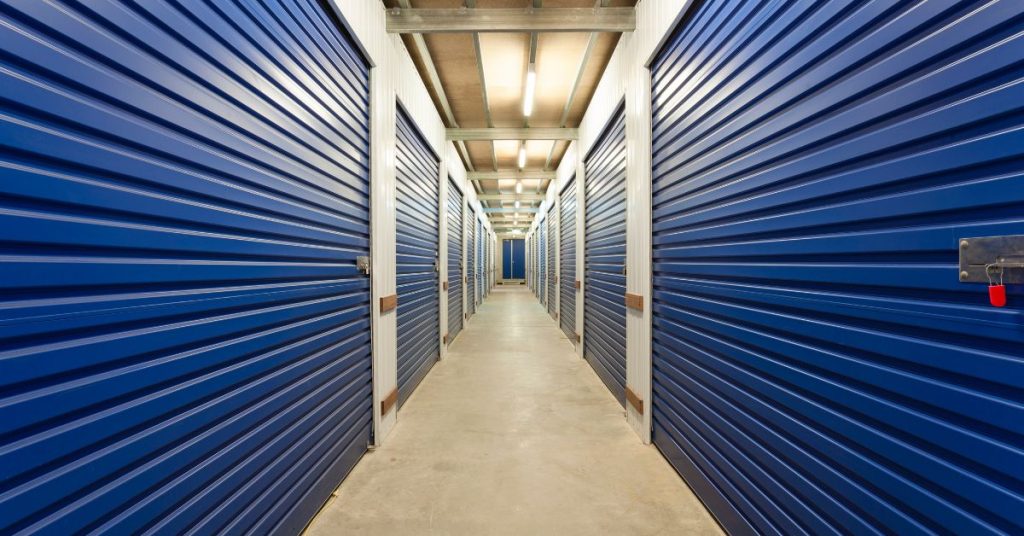
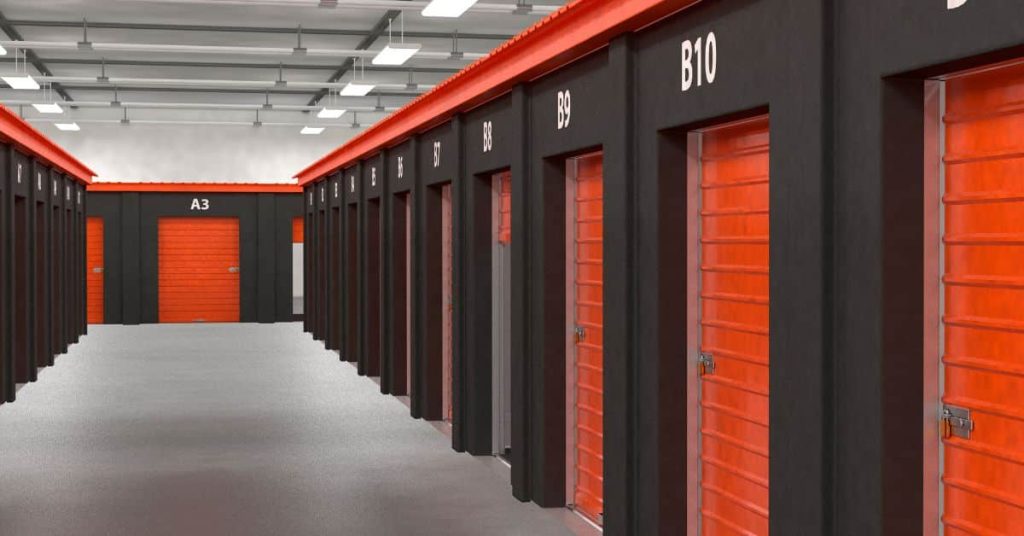
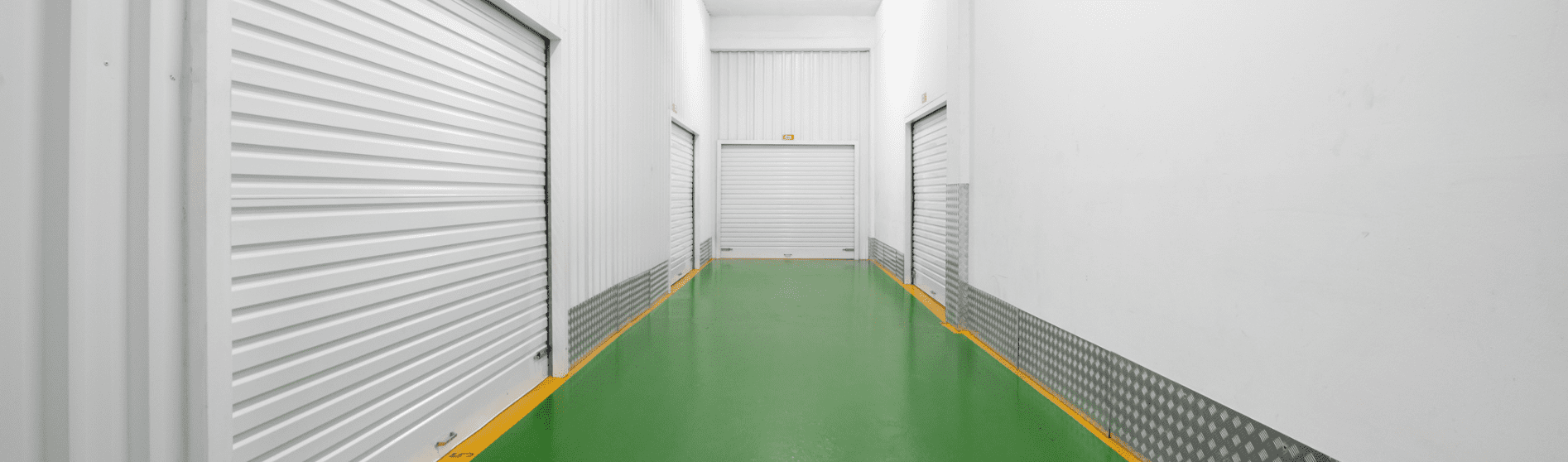
In the dynamic landscape of modern business, efficient storage solutions play a pivotal role in fostering productivity, organisation, and scalability. Among the most versatile options available is self-storage, offering businesses the flexibility and convenience to manage their inventory, equipment, and documents effectively. Johannesburg, as a bustling economic hub, underscores the significance of adept business storage solutions. In this outline, we delve into the world of self-storage and its implications for businesses in Johannesburg, exploring the nuances of business storage facilities and their role in facilitating seamless operations within the city’s vibrant commercial environment.
Business Storage in Johannesburg
The economic vibrancy of Johannesburg necessitates sophisticated storage solutions for businesses operating within its bustling confines. This section offers an in-depth exploration of the business storage landscape in Johannesburg, providing valuable insights into market dynamics, emerging trends, and the unique challenges faced by enterprises in this urban setting. By examining the importance of efficient storage facilities in supporting the diverse needs of businesses in Johannesburg, we aim to underscore the pivotal role that strategic storage solutions play in fostering growth and competitiveness within this dynamic business environment.
Traditional Warehouses: Explore traditional warehouse facilities that offer expansive storage spaces for businesses with large inventory requirements or bulky equipment.
Self-Storage Units: Discuss the versatility of self-storage units, which cater to businesses of all sizes and provide customisable storage solutions for various items, from documents to merchandise.
Climate-Controlled Storage: Highlight the importance of climate-controlled storage facilities, particularly for businesses storing sensitive items such as electronics, artwork, or perishable goods.
Shared Storage Spaces: Introduce the concept of shared storage spaces, where multiple businesses share a common storage area, fostering collaboration and cost-efficiency.
Features and Amenities
Security Measures: Detail the security features offered by business storage facilities, including surveillance systems, access control measures, and on-site security personnel.
Accessibility: Discuss the importance of easy accessibility to storage units, including convenient operating hours, loading docks, and ample parking space for businesses to streamline their storage processes.
Customization Options: Highlight the availability of customizable storage solutions, such as shelving, pallet racks, and storage containers, to accommodate businesses with unique storage requirements.
Additional Services: Mention supplementary services offered by storage facilities, such as inventory management, packing supplies, and logistics support, to enhance the overall storage experience for businesses.
Factors to Consider When Choosing Business Storage
Security Measures
Surveillance Systems: Discuss the importance of surveillance cameras and monitoring systems in deterring theft and unauthorised access to stored items.
Access Control: Highlight the significance of access control measures such as electronic keypads, biometric scanners, or gated entryways to ensure only authorised personnel can access storage units.
On-Site Security Personnel: Mention the presence of on-site security personnel who can provide additional security and respond promptly to any security concerns or emergencies.
Accessibility and Convenience
Location: Emphasise the importance of choosing a storage facility with a convenient location that allows easy access for businesses and minimises transportation costs and time.
Operating Hours: Discuss the significance of flexible operating hours that accommodate businesses’ schedules, including evenings, weekends, and holidays, to ensure accessibility when needed.
Loading and Unloading Facilities: Highlight the availability of loading docks, ramps, or elevators to facilitate the efficient movement of goods in and out of storage units.
Size and Pricing
Storage Unit Sizes: Discuss the importance of selecting the appropriate storage unit size based on the business’s storage needs, ensuring adequate space for current inventory levels and future growth.
Pricing Structure: Explain the various pricing structures offered by storage facilities, including monthly rentals, lease terms, and any additional fees or charges for amenities or services.
Cost-Effectiveness: Encourage businesses to consider the overall cost-effectiveness of the storage solution, balancing the price with the quality of facilities, security, and convenience offered by the storage provider.
Future Trends in Business Storage
Technological Advancements
Smart Storage Solutions: Explore the integration of IoT (Internet of Things) technology in storage facilities, allowing businesses to monitor inventory levels, track assets, and optimise storage space utilisation in real-time.
Automated Warehouse Systems: Discuss the adoption of automated systems, including robotics and AI-powered inventory management, to enhance efficiency, reduce labour costs, and minimise errors in business storage operations.
Cloud-Based Storage Management: Highlight the shift towards cloud-based storage management platforms, enabling businesses to access, organise, and analyse their stored data remotely, enhancing data security and accessibility.
Sustainable Practices
Green Storage Facilities: Discuss the emergence of eco-friendly storage facilities equipped with energy-efficient systems, renewable energy sources, and sustainable building materials to minimise environmental impact and reduce operational costs.
Recycling and Waste Management: Explore initiatives aimed at implementing recycling programs and efficient waste management practices within storage facilities, promoting sustainability and responsible resource utilisation.
Carbon-Neutral Logistics: Highlight efforts to reduce carbon emissions associated with transportation and logistics processes through the adoption of electric vehicles, route optimization algorithms, and alternative fuel sources.
Evolving Customer Needs and Expectations
On-Demand Storage Solutions: Discuss the growing demand for on-demand storage services that offer flexible pickup, delivery, and storage options tailored to the changing needs of businesses, particularly in urban areas like Johannesburg.
Personalised Storage Experiences: Explore the trend towards personalised storage solutions that cater to specific industry requirements, preferences, and budget constraints, offering businesses greater flexibility and control over their storage arrangements.
Enhanced Security and Compliance: Highlight the increasing emphasis on robust security measures and regulatory compliance within storage facilities, driven by heightened concerns over data protection, privacy regulations, and industry standards.
Conclusion
Recap of the Importance of Business Storage
In the fast-paced landscape of modern commerce, effective storage solutions are indispensable for businesses seeking to streamline operations, optimise inventory management, and maintain competitiveness. Business storage facilities, ranging from traditional warehouses to self-storage units, offer versatile options tailored to the diverse needs of enterprises.
Summary of Key Points
Throughout this exploration, we’ve examined the significance of business storage in Johannesburg, delving into market dynamics, the variety of storage facilities available, and essential features and amenities. From traditional warehouses catering to large-scale operations to self-storage units offering flexibility and convenience, businesses in Johannesburg have access to a plethora of storage options to suit their requirements.
Implications for Businesses in Johannesburg
The implications of robust business storage solutions in Johannesburg are profound. By leveraging strategic storage facilities, businesses can optimise their resources, enhance efficiency, and adapt to dynamic market conditions effectively. Moreover, efficient storage practices enable businesses to capitalise on opportunities for growth and expansion, positioning them for sustained success within Johannesburg’s competitive business landscape. Embracing innovative storage solutions not only fosters operational agility but also underscores a commitment to excellence and customer satisfaction, essential components of thriving businesses in Johannesburg’s vibrant economic ecosystem.
Self-storage facilities have become indispensable solutions for individuals and businesses alike, offering a secure haven for belongings ranging from household items to business inventory. In bustling cities like Johannesburg, where space comes at a premium and security concerns are paramount, the demand for safe and secure self-storage facilities has never been higher. This exploration delves into the world of self-storage in Johannesburg, focusing on the imperative of safety and security in safeguarding cherished possessions. From the evolution of the self-storage industry in the city to the key features that define a secure facility, this guide aims to provide insight into selecting the optimal storage solution for your needs. Let us embark on a journey to discover the peace of mind that comes with entrusting your belongings to a safe and secure self-storage facility in the vibrant metropolis of Johannesburg.
Overview of Self-Storage in Johannesburg
Self-storage in Johannesburg has experienced significant growth in recent years, mirroring global trends of urbanisation and the accompanying need for space optimisation. As one of Africa’s leading economic hubs, Johannesburg attracts a diverse population with varying storage requirements, ranging from personal belongings to commercial inventory. Demographic shifts, including population growth and changing lifestyle patterns, contribute to the burgeoning demand for self-storage solutions in the city.
The competitive landscape of self-storage providers in Johannesburg reflects the city’s dynamic nature, with numerous companies vying to cater to the diverse needs of customers. From established players with nationwide networks to smaller, specialised providers, Johannesburg offers a range of options for those seeking storage solutions.
Understanding the landscape of self-storage in Johannesburg is essential for individuals and businesses alike, as it enables informed decision-making when selecting a provider. By examining factors such as location, pricing, and service offerings, consumers can identify the self-storage facility that best aligns with their requirements. In the following sections, we delve deeper into the characteristics of safe self-storage facilities and the factors to consider when choosing a secure storage solution in Johannesburg.
Characteristics of Safe Self-Storage Facilities
Safe self-storage facilities in Johannesburg prioritise the protection of customers’ belongings through a range of security measures and operational practices. These facilities typically employ advanced access control systems, including electronic gates, keypad entry, or biometric scanners, to restrict entry only to authorised individuals. Such measures ensure that only tenants and authorised personnel have access to the storage units, minimising the risk of unauthorised entry and theft.
Surveillance systems play a crucial role in enhancing the security of self-storage facilities. Closed-circuit television (CCTV) cameras are strategically positioned throughout the premises to monitor activity and deter potential intruders. In addition to real-time monitoring, these systems often feature recording capabilities, allowing for the review of footage in the event of security incidents or disputes.
Security personnel, including on-site guards or security patrols, further bolster the safety of self-storage facilities in Johannesburg. Trained professionals are tasked with maintaining a visible presence on the premises, conducting regular patrols, and responding swiftly to any security concerns or emergencies. Their presence serves as a deterrent to unauthorised activity while providing peace of mind to tenants knowing that their belongings are under watchful eyes.
Furthermore, the design and layout of self-storage facilities contribute to their safety and security. Well-lit corridors, secure fencing, and sturdy locks on individual units are standard features aimed at preventing unauthorised access and protecting stored items from theft or damage. Additionally, modern facilities may incorporate climate control systems to safeguard sensitive belongings from temperature fluctuations and humidity.
In summary, safe self-storage facilities in Johannesburg exhibit a comprehensive approach to security, encompassing access control, surveillance, personnel presence, and facility design. By prioritising these characteristics, self-storage providers ensure that customers can store their belongings with confidence, knowing that they are well-protected within the facility’s confines.
Factors to Consider When Choosing a Secure Self-Storage Facility
Location: Choose a facility that is conveniently located and easily accessible from your home or place of business. Consider factors such as proximity to major highways, public transportation, and residential or commercial areas.
Security Features: Evaluate the security measures implemented by the facility, including access control systems, surveillance cameras, and security personnel. Look for facilities that employ advanced technology and robust security protocols to deter theft and unauthorised access.
Pricing and Affordability: Compare the pricing structures of different self-storage facilities to ensure they align with your budget. While affordability is important, prioritise security features and quality of service over price alone to safeguard your belongings effectively.
Customer Reviews and Reputation: Research online reviews and testimonials from previous customers to gauge the reputation and reliability of the self-storage facility. Positive reviews and recommendations from satisfied clients are indicators of a trustworthy and secure storage provider.
Accessibility and Convenience: Consider the facility’s operating hours, accessibility options, and additional amenities offered, such as 24-hour access, drive-up units, and on-site moving supplies. Choose a facility that provides convenient access to your stored items while prioritising security.
By considering these factors, you can make an informed decision when choosing a secure self-storage facility in Johannesburg. Prioritise safety and security to ensure that your belongings are well-protected within the storage facility’s premises.
Benefits of Utilising Safe and Secure Self-Storage Facilities
Opting for a safe and secure self-storage facility in Johannesburg offers numerous advantages, ensuring peace of mind and protection for your stored belongings:
Peace of Mind: Knowing that your belongings are stored in a secure facility with advanced security measures provides peace of mind, especially when storing valuable or sentimental items.
Protection Against Theft and Damage: Secure self-storage facilities employ various security features such as surveillance cameras, access control systems, and security personnel to deter theft and unauthorised access. Additionally, climate-controlled units can protect items from damage due to temperature fluctuations and humidity.
Flexibility and Convenience: Self-storage facilities offer flexible rental options, allowing you to choose the unit size and rental duration that best suits your needs. With convenient access hours and drive-up units available in some facilities, accessing your belongings is hassle-free and convenient.
Additional Services: Many self-storage facilities offer additional services such as packing supplies, moving assistance, and insurance options to further enhance the storage experience. These services can streamline the process of storing and accessing your belongings while providing added peace of mind.
Space Optimization: Utilising a self-storage facility allows you to free up space in your home or office by storing seasonal items, excess inventory, or belongings that are not frequently used. This can help declutter your living or working space and create a more organised environment.
Overall, utilising a safe and secure self-storage facility in Johannesburg offers numerous benefits, including peace of mind, protection against theft and damage, flexibility, convenience, and space optimization. By prioritising safety and security when choosing a storage provider, you can ensure that your belongings are well-protected and easily accessible whenever needed.
Conclusion
In conclusion, the importance of safe and secure self-storage facilities in Johannesburg cannot be overstated. As the demand for storage solutions continues to grow in the city, it becomes increasingly crucial for individuals and businesses to prioritise safety and security when selecting a storage provider.
Throughout this exploration, we have discussed the evolution of the self-storage industry in Johannesburg, the characteristics of safe self-storage facilities, and the factors to consider when choosing a secure storage solution. We have also highlighted the numerous benefits of utilising safe and secure self-storage facilities, including peace of mind, protection against theft and damage, flexibility, convenience, and space optimization.
Furthermore, we have examined three exemplary case studies of self-storage facilities in Johannesburg, each demonstrating a commitment to security, professionalism, and customer satisfaction.
As you embark on your search for a self-storage facility in Johannesburg, I encourage you to prioritise safety and security above all else. Conduct thorough research, visit potential facilities in person, and inquire about their security measures and protocols. By doing so, you can ensure that your belongings are stored in a secure environment and enjoy peace of mind knowing that they are well-protected.
Thank you for joining us on this journey through the world of safe and secure self-storage in Johannesburg. May you find the perfect storage solution to meet your needs and keep your belongings safe and secure.
In an era where space has become a premium commodity and the accumulation of documents a certainty, the self-storage industry has emerged as a critical solution for both individuals and businesses alike. Within this sector, document storage presents a niche yet essential service, addressing the growing need for secure, accessible, and efficient management of physical records. Johannesburg, South Africa’s bustling economic hub, mirrors this global trend, offering a unique landscape for document storage solutions amidst its dynamic market demands.
The importance of document storage cannot be overstated, especially in a digital age where the value of physical documents – legal papers, business contracts, and personal records – remains undiminished.
Despite advancements in digital storage technologies, the necessity for tangible document preservation persists, driven by legal requirements, security considerations, and the sheer volume of pre-digital age archives. As Johannesburg continues to expand both economically and demographically, the demand for specialized storage facilities capable of safeguarding these documents has surged, prompting a closer examination of the city’s infrastructure to meet these needs.
This exploration begins with a comprehensive understanding of the self-storage industry’s evolution, from its humble beginnings to its current status as a multi-faceted storage solution provider. It then delves into the specifics of document storage, a segment that has carved out a significant niche within the broader storage market. By focusing on Johannesburg, this discussion aims to shed light on the city’s role in the document storage industry, highlighting the challenges and opportunities that lie ahead.
As we navigate through the intricacies of selecting the right storage facility, the competitive landscape in Johannesburg, and the future trends shaping this sector, we uncover the pivotal role document storage plays in the modern world, underscored by the unique dynamics of Johannesburg’s market.
Understanding Self Storage
The concept of self storage, a service that allows individuals and businesses to rent space to store possessions securely, has evolved significantly since its inception. Originally a simple solution for personal storage needs during transitions such as moves or downsizing, self storage has grown into a multifaceted industry catering to a wide range of needs, including the specialized sector of document storage.
Definition and Types of Self Storage Solutions
Self storage facilities offer various unit sizes and types, from small lockers for personal items to large units capable of holding furniture or business inventory. Climate-controlled units protect sensitive items from temperature and humidity, while drive-up access units provide convenience for heavier, bulkier items. The versatility of self storage solutions means there is an option tailored to almost every need, including the secure storage of critical documents.
Historical Evolution of Self Storage
The self storage industry’s roots can be traced back to ancient China, where public storage facilities were used, but the modern concept as we know it began in the United States in the 1960s. From these modest beginnings, self storage has expanded globally, adapting to various cultural and business environments. This evolution reflects changing societal trends, such as increased mobility, smaller living spaces, and the growth of small businesses, all of which have contributed to the rising demand for storage solutions.
Current Trends in Self Storage
Today’s self storage industry is characterized by technological integration and enhanced security features. Digital management systems allow customers to check their storage units remotely, make payments online, and even unlock their units via smartphone apps. Advanced security measures, including 24/7 surveillance cameras, biometric scanners, and individual alarm systems, ensure that stored items, particularly sensitive documents, are kept safe from theft and damage.
The shift towards more specialized services, such as document storage, underscores the industry’s responsiveness to niche market demands. Businesses and individuals looking for secure places to store their important documents find solace in facilities offering fireproof, climate-controlled units designed to preserve the integrity of paper records over time.
In Johannesburg, the self storage industry mirrors these global trends, with facilities increasingly catering to the specific needs of a diverse clientele. The city’s unique socio-economic dynamics, coupled with its role as a business and financial hub, have fostered a conducive environment for the growth of both general and specialized self storage services, including document storage solutions.
This landscape sets the stage for a deeper exploration into the realm of document storage. As we delve into this niche within the broader self storage market, it becomes clear that the demand for such services is not just a trend but a reflection of the enduring value of physical documents in our increasingly digital world.
Document Storage: A Niche Within Self Storage
As the self-storage industry evolves, document storage emerges as a critical niche, addressing the unique needs of businesses and individuals who require secure and accessible storage for their important documents. This segment of the market underscores the enduring importance of physical records in an age dominated by digital data.
Definition and Purpose of Document Storage
Document storage services are designed specifically for the secure and efficient storage of paper documents, such as legal contracts, business records, financial statements, and personal documents like wills or property deeds. Unlike general self-storage units, document storage facilities often offer specialised features to protect these sensitive items from environmental damage, theft, and loss.
Benefits of Using Document Storage Services
Security and Privacy: Document storage facilities prioritise the security of stored documents, employing advanced measures such as 24-hour surveillance, fireproofing, and restricted access to ensure that sensitive information remains confidential and protected.
Accessibility and Convenience: Many document storage services provide easy access to stored documents, including retrieval services and the ability to request scans of documents, making it convenient for businesses and individuals to access their information without needing to physically visit the storage facility.
Cost-effectiveness: Storing documents off-site can be more economical than dedicating valuable office or personal space to file storage. Document storage services offer scalable solutions that can adapt to changing storage needs, often at a fraction of the cost of on-site storage alternatives.
Types of Documents Stored
The range of documents that can be stored is vast, covering every aspect of personal and business life. This includes, but is not limited to, legal documents, medical records, business contracts, financial records, government documents, and personal records. Each category of document may require specific storage conditions, such as climate control, to preserve paper integrity over time.
In Johannesburg, the demand for document storage services reflects the city’s bustling business activities and the diverse needs of its residents. From small startups to large corporations, and from families safeguarding heirlooms to individuals managing their personal affairs, the city’s document storage facilities cater to a broad audience. This service becomes indispensable in a legal and business environment where the retention of paper records is often a requirement rather than a choice, ensuring compliance with regulations and standards.
Choosing the Right Document Storage Facility
Selecting a document storage provider in Johannesburg, or anywhere else, requires careful consideration of several factors. These include the facility’s security measures, climate control capabilities, access convenience, and cost. Additionally, potential customers should consider the facility’s reputation, customer service quality, and additional services offered, such as document digitization or destruction.
As we explore the landscape of document storage facilities in Johannesburg, it becomes evident that this niche service is not merely a convenience but a necessity for many. The city’s dynamic market presents various options, each with its unique strengths, catering to the complex and varied needs of those requiring document storage solutions. This critical examination not only highlights the importance of document storage within the self-storage industry but also underscores the specific considerations and challenges faced by those seeking these services in Johannesburg.
Choosing the Right Document Storage Facility
Selecting the ideal document storage facility is a critical decision for businesses and individuals alike, necessitating a careful evaluation of various factors to ensure that documents are stored securely, remain accessible, and are preserved in optimal conditions. This process becomes even more pertinent in Johannesburg, where the diversity of options mirrors the city’s dynamic economic and social landscape.
Factors to Consider
Security Measures: The primary concern for document storage is the security of sensitive information. Facilities should offer comprehensive security features, including 24/7 surveillance, controlled access, individual unit alarms, and fire prevention systems. In Johannesburg, where security concerns are paramount, the best facilities go beyond basic measures, incorporating advanced technology like biometric access and digital monitoring.
Climate Control: Given the variable climate in Johannesburg, with its hot summers and cool winters, climate control is essential for preserving document integrity. Humidity and temperature fluctuations can cause paper to deteriorate, fade, or become brittle over time. Facilities offering climate-controlled units ensure that documents are kept in a stable environment, safeguarding against environmental damage.
Access and Convenience: Easy access to documents is crucial, especially for businesses that may need to retrieve files regularly. Some facilities offer 24-hour access, online document management systems, and retrieval services, which can be particularly beneficial for time-sensitive document access. The location of the facility also plays a significant role in its convenience, with proximity to business centers or residential areas being a significant advantage.
Cost: Pricing structures for document storage can vary widely, depending on the level of service and security offered. It’s important to compare costs while considering the value of the services provided. Some facilities may offer additional services, such as document scanning, shredding, and management, which, while potentially increasing the cost, add considerable value and convenience.
Reputation and Reliability: The facility’s reputation for reliability and customer service is essential. Testimonials, reviews, and recommendations can provide insight into the experiences of other customers. A facility with a strong track record of reliability, transparency in dealings, and excellent customer service is likely to be a trustworthy choice for document storage.
Johannesburg’s Document Storage Facility Market
In Johannesburg, the choices for document storage facilities range from global chains offering state-of-the-art security and services to local providers that emphasize personalized service and competitive pricing. The city’s unique needs, driven by its status as a financial and commercial hub, have led to the development of facilities that cater specifically to the business community, as well as those serving individuals and small enterprises.
Making the Decision
When choosing a document storage facility in Johannesburg, potential customers should conduct thorough research, visit potential sites, and directly assess the security measures, climate control capabilities, and access convenience. Engaging with the facility’s staff can also provide valuable insights into their service level and responsiveness to customer needs.
In summary, the right document storage facility is one that aligns with the customer’s specific needs for security, accessibility, climate control, cost, and reliability. Johannesburg’s diverse market offers a broad spectrum of options, allowing for a tailored approach to document storage that meets the nuanced requirements of its varied clientele. This careful selection process ensures that documents are not only stored securely but are also preserved for the future, reflecting the ongoing importance of physical records in our increasingly digital world.
Document Storage Facility Market in Johannesburg
Johannesburg, as a bustling metropolis and the economic heart of South Africa, hosts a vibrant and diverse market for document storage facilities. This segment has evolved in response to the city’s growing demand for secure, accessible, and efficient document storage solutions, driven by its dynamic business environment and the personal needs of its residents. The market landscape is characterized by a mix of international chains and local providers, each offering unique strengths and tailored services to meet the specific needs of Johannesburg’s diverse clientele.
Overview of the Johannesburg Market
The document storage facility market in Johannesburg is shaped by the city’s status as a commercial and financial hub. Businesses of all sizes, from multinational corporations to local startups, along with a significant number of private individuals, contribute to the steady demand for document storage services. This demand is fueled by the need for secure storage of important documents, ranging from legal and financial records to personal and historical archives.
Key Players and Facilities in Johannesburg
Johannesburg’s document storage sector features a variety of players, including:
International Storage Chains: These facilities often offer the advantage of standardized services and high-end security features, leveraging global best practices in document storage. They are typically equipped with the latest technology in climate control, digital inventory management, and security systems.
Local Storage Providers: Local providers tend to offer more personalized services, with flexible solutions tailored to meet the specific needs of Johannesburg’s businesses and residents. Many local facilities excel in customer service, offering competitive rates and a deep understanding of the local market’s nuances.
Specialized Document Storage Companies: A subset of the market is dedicated exclusively to document storage, offering specialized services such as document digitization, secure destruction, and managed retrieval services. These companies cater to clients who require more than just storage, providing comprehensive document management solutions.
Comparison of Services and Pricing in the Johannesburg Area
Services and pricing vary significantly across Johannesburg’s document storage facilities. Factors influencing cost include the level of security, climate control options, access convenience, and additional services like document retrieval and digitization. Customers can expect to pay a premium for facilities that offer state-of-the-art security and climate control systems, along with 24/7 access and digital management tools.
However, the competitive nature of the market ensures that there are options available for a range of budgets and needs. Many facilities offer customizable plans, allowing clients to pay only for the services they require, such as specific security levels or climate control for delicate documents. This flexibility makes document storage accessible to a wide range of customers, from large corporations needing extensive archives to individuals storing personal documents.
Challenges and Opportunities
The Johannesburg document storage market faces several challenges, including the ongoing transition to digital document management and the need for high-level security against theft and data breaches. However, these challenges also present opportunities for innovation, such as the integration of digital and physical storage solutions and the adoption of advanced security technologies.
Furthermore, the growing awareness of the importance of document preservation and disaster recovery planning in both the business and personal spheres continues to drive demand for professional storage solutions. As Johannesburg’s market evolves, providers who can offer secure, innovative, and customer-centric services are likely to thrive.
Challenges and Opportunities in Johannesburg’s Document Storage Sector
The document storage sector in Johannesburg, like many industries in rapidly developing urban centers, faces a unique set of challenges and opportunities. These factors not only shape the current landscape of document storage services in the city but also influence future trends and potential growth areas. Understanding these challenges and opportunities is crucial for businesses operating within this sector, as well as for new entrants looking to navigate the Johannesburg market successfully.
Digital Transformation: The shift towards digital document management poses a significant challenge to traditional document storage facilities. As businesses and individuals increasingly adopt digital solutions for storing and managing their documents, the demand for physical storage could decrease. Facilities must adapt by integrating digital services, such as document scanning and digital archiving, to remain relevant.
Security Concerns: Johannesburg, while a bustling metropolis, faces issues related to crime and security. Document storage facilities must invest heavily in state-of-the-art security systems to protect their clients’ sensitive information. This necessity increases operational costs and poses a challenge in maintaining competitive pricing.
Regulatory Compliance: South Africa’s strict regulations on document storage, privacy, and data protection require facilities to constantly update their practices and infrastructure. Staying compliant with these regulations is essential but can be burdensome, especially for smaller operators.
Space Constraints: As Johannesburg continues to grow, available land for new facilities becomes scarcer and more expensive. This limitation challenges expansion plans and makes it difficult for new entrants to find suitable locations for document storage facilities.
Opportunities in Johannesburg’s Document Storage Sector
Hybrid Storage Solutions: The blending of physical and digital storage services represents a significant opportunity. Offering a one-stop solution for document management, including digitization, physical storage, and digital access, can attract clients looking for comprehensive document management solutions.
Niche Market Specialization: Targeting specific industries with unique document storage needs, such as legal, medical, or financial sectors, can open up new revenue streams. Specialized services tailored to the requirements of these industries can differentiate a facility from its competitors.
Innovative Security Solutions: Investing in innovative security technologies, such as blockchain for document verification or advanced encryption for digital archives, can offer a competitive edge. Facilities that provide superior security features can attract high-value clients concerned with data protection and privacy.
Sustainability Initiatives: As environmental concerns become increasingly important to consumers, document storage facilities that adopt green practices, such as energy-efficient buildings, paper recycling programs, and solar energy, can enhance their market appeal. This approach not only contributes to environmental sustainability but also resonates with socially conscious clients.
Expansion into Emerging Markets: Johannesburg’s surrounding areas and other cities in South Africa present opportunities for expansion. Facilities that can scale their operations and offer consistent service quality across multiple locations can tap into new markets and client bases.
The document storage sector in Johannesburg is at a crossroads, facing pressures from digital transformation and operational challenges, while also being presented with numerous opportunities for growth and innovation. By addressing these challenges head-on and leveraging the unique opportunities within the Johannesburg market, document storage providers can position themselves for long-term success. Embracing technological advancements, specializing in niche markets, enhancing security measures, and committing to sustainability are key strategies that can drive the industry forward. As Johannesburg continues to evolve, so too will the demands and expectations of document storage clients, requiring providers to remain adaptable, forward-thinking, and client-focused.
Future of Document Storage in Johannesburg and Beyond
The document storage industry in Johannesburg, reflecting broader trends in South Africa and globally, stands on the brink of significant transformation. Driven by technological advancements, changing regulatory landscapes, and evolving client needs, the future of document storage in Johannesburg is poised for innovation and growth. This final section explores emerging trends, potential challenges, and opportunities that could shape the trajectory of document storage services in the years to come.
Emerging Trends in Document Storage
Digital Integration: The future will likely see a more profound integration of digital technologies within traditional document storage services. Blockchain technology, for instance, could offer new ways to secure and verify document authenticity, while AI and machine learning could streamline document retrieval and management processes. Facilities that embrace these technologies can offer enhanced security and convenience, setting a new standard for document storage services.
Sustainability Focus: Environmental sustainability will become increasingly important. Document storage facilities may adopt more green practices, such as using renewable energy sources, implementing strict recycling protocols, and offering digital rather than physical storage options to reduce paper use. Such measures will not only appeal to eco-conscious clients but also contribute to broader environmental sustainability efforts.
Customised and Scalable Services: As businesses and individuals seek more tailored storage solutions, providers will need to offer flexible and scalable services. Customization can range from specialized storage conditions for sensitive documents to bespoke retrieval and management services, allowing clients to design a storage solution that fits their exact needs.
Regulatory Adaptation: With data protection and privacy regulations becoming more stringent, document storage facilities will need to ensure full compliance. This may involve regular audits, enhanced security protocols, and transparent client communication regarding how documents are stored and protected. Facilities that can navigate this complex regulatory environment effectively will gain a competitive edge.
Opportunities for Growth and Innovation
Expansion into New Markets: There is significant potential for Johannesburg-based document storage providers to expand into other regions within South Africa and into other African countries. Emerging markets present untapped opportunities for growth, especially in areas where digital infrastructure is still developing, and the demand for secure physical document storage remains high.
Partnerships with Tech Companies: Collaborating with technology companies to develop innovative document storage and management solutions could open new avenues for growth. Such partnerships could lead to the development of proprietary software and hardware solutions, further differentiating services in a competitive market.
Education and Consultancy Services: As the document storage industry evolves, there will be a growing need for expert advice and consultancy services. Providers could offer educational programs and consultancy on best practices for document management and compliance, adding a valuable service layer and creating new revenue streams.
Challenges Ahead
Despite these opportunities, challenges remain, including keeping pace with rapid technological changes, managing operational costs, and addressing the shifting needs of a diverse client base. Providers will need to remain agile, continuously innovating and adapting their services to stay ahead in a competitive landscape.
Conclusion
The future of document storage in Johannesburg promises both challenges and opportunities, shaped by technological innovation, regulatory changes, and evolving client expectations. As the industry navigates this future, the key to success will lie in providers’ ability to adapt, innovate, and remain customer-focused. By embracing digital integration, focusing on sustainability, and expanding their service offerings, document storage facilities can ensure their relevance and thrive in the years to come. As Johannesburg continues to grow as a commercial and financial hub, the demand for secure, efficient, and innovative document storage solutions is set to rise, marking an exciting new chapter for the industry.
In the bustling urban landscape of Johannesburg, the demand for self-storage solutions has seen a significant rise, reflecting a broader trend across major cities worldwide. As individuals and businesses grapple with the challenges of space management amidst growing possessions and transitional phases of life, self-storage emerges as a practical and flexible solution.
Johannesburg, with its diverse population and economic activities, offers a variety of self-storage options catering to a wide range of needs, from personal belongings to business inventory. The expansion of these services into Johannesburg South further diversifies the choices available, ensuring that whether one resides in the heart of the city or its southern precincts, there is a storage solution within reach.
This exploration into Johannesburg’s self-storage offerings aims to provide an insightful guide into selecting the right storage facility, understanding the various features and benefits, and optimising the use of personal and business storage spaces. By focusing on both Johannesburg and Johannesburg South, we highlight the unique aspects and advantages of storage solutions in different parts of the city, offering readers a comprehensive understanding of their options. Whether you’re downsizing, decluttering, or in need of a temporary space for your possessions, this guide endeavours to navigate you through the myriad of choices, ensuring you find a secure, accessible, and cost-effective storage solution that perfectly fits your needs.
Understanding Self-Storage
The concept of self-storage has become a cornerstone of urban living, offering a versatile solution to the ever-present challenge of managing space efficiently. As we delve into the essence of self-storage, it’s important to grasp not only what it entails but also the myriad ways it can be utilised to simplify both personal and professional lives.
Definition and Purpose
Self-storage facilities provide individuals and businesses with private storage units that can be rented on a short-term or long-term basis. These units come in various sizes and are designed to secure belongings, ranging from household items and personal memorabilia to business inventory and documents. The fundamental purpose of self-storage is to offer a secure, accessible, and flexible option for storing possessions outside one’s living or working space.
Types of Self-Storage Solutions
Personal Storage: Ideal for individuals looking to store personal items, seasonal decorations, sports equipment, or anything that clutters the home. Personal storage units can also serve as an interim solution during moves or renovations.
Business Storage:Businesses leverage self-storage for excess inventory, equipment, files, and furniture, particularly useful for SMEs with limited office space or those undergoing transitions.
Climate-Controlled Storage: Certain items require protection from extreme temperatures and humidity. Climate-controlled units provide a regulated environment, essential for storing sensitive documents, electronics, artwork, and antiques.
Vehicle Storage: For those with limited parking or seeking to store vehicles seasonally, some facilities offer secure spaces for cars, motorcycles, boats, and RVs.
Each type of self-storage serves a specific need, reflecting the versatility of the service. Whether it’s safeguarding personal treasures, accommodating business growth, or ensuring the longevity of valuable items, self-storage provides a solution that adapts to the dynamic demands of urban living.
In Johannesburg, where space can be at a premium, self-storage not only offers a practical solution to de-cluttering but also represents a strategic choice for managing possessions securely and conveniently. As we move forward, we’ll explore how Johannesburg and Johannesburg South cater to these needs through their extensive range of self-storage facilities, highlighting the key features to look for and how to choose the facility that best suits your requirements.
Self-Storage in Johannesburg
Johannesburg, South Africa’s bustling economic hub, offers a wide array of self-storage options to meet the diverse needs of its residents and businesses. The city’s dynamic nature, coupled with its continuous growth, has led to an increased demand for self-storage solutions that are secure, accessible, and versatile. In this section, we explore the self-storage market in Johannesburg, focusing on the key features that distinguish top-notch facilities and how to navigate the plethora of choices available.
Overview of the Self-Storage Market in Johannesburg
The self-storage industry in Johannesburg has expanded significantly over the years, reflecting the city’s growing population and the increasing spatial challenges it faces. From sprawling facilities in the outskirts to conveniently located units in urban centres, Johannesburg offers a solution for every storage need. The competitive market means customers can benefit from a range of options in terms of size, price, and special features.
Key Features to Look for in Self-Storage Facilities
When selecting a self-storage facility in Johannesburg, certain features stand out as essential for ensuring the safety, accessibility, and overall satisfaction with your storage choice:
Security Measures: Top-tier facilities prioritise the security of your belongings. Look for features such as 24/7 surveillance cameras, secure access control, individual alarms for units, and on-site security personnel.
Accessibility: Convenient access to your stored items is crucial. Facilities offering extended hours or 24-hour access, seven days a week, provide the flexibility to visit your unit according to your schedule. Additionally, ease of access with drive-up units or elevators for upper-level units can make a significant difference.
Size Options: The best facilities offer a wide range of unit sizes, from small lockers for a few items to large spaces capable of storing entire households or business inventories. This variety ensures you only pay for the space you need.
Price Ranges: Competitive pricing is key in the Johannesburg self-storage market. Facilities often provide various pricing plans, including discounts for long-term rentals or promotions for new customers.
Popular and Highly Rated Self-Storage Facilities
While many facilities vie for customers’ attention, those that consistently receive high ratings tend to excel in customer service, offer a variety of unit sizes, maintain clean and secure premises, and provide value-added services such as free use of trolleys or moving trucks.
Navigating the Choices
Choosing the right self-storage facility in Johannesburg requires a clear understanding of your storage needs, including the size, duration of storage, and specific requirements like climate control or special security. It’s advisable to visit potential facilities, inspect the units, and discuss terms with the staff to ensure your expectations are met. Additionally, online reviews and testimonials can provide insight into customer experiences, further aiding in the decision-making process.
In conclusion, Johannesburg’s self-storage options are as diverse as the city itself, offering solutions that cater to a wide array of storage needs. By focusing on key features and conducting thorough research, individuals and businesses can find secure, convenient, and affordable storage solutions in Johannesburg that perfectly suit their requirements.
Self-Storage in Johannesburg South
Johannesburg South, with its unique blend of residential areas, business hubs, and industrial zones, has specific self-storage requirements that distinguish it from other parts of Johannesburg. This section delves into the considerations for choosing self-storage in Johannesburg South, offering insights into how the options here compare with the broader Johannesburg market and spotlighting services that are particularly beneficial to this area.
Considerations for Choosing Self-Storage in Johannesburg South
Choosing a self-storage facility in Johannesburg South involves considering several factors that reflect the area’s unique characteristics:
Location Convenience: For residents and businesses in Johannesburg South, proximity is key. Selecting a storage facility close to home or work can save time and reduce the hassle of accessing stored items. Consider facilities that offer easy access from major roads or are within short driving distances from residential communities.
Security in a Diverse Setting: Given Johannesburg South’s diverse setting, encompassing everything from quiet suburban streets to bustling commercial areas, the level of security offered by a storage facility becomes even more critical. Opt for facilities that provide robust security measures tailored to the area’s specific challenges.
Tailored Solutions: Whether it’s for personal storage needs arising from downsizing or de-cluttering, or business storage for inventory and equipment, Johannesburg South’s facilities often tailor their services to meet these varied demands. Look for units that offer the flexibility of size, duration, and special conditions like climate control to match your specific storage needs.
Comparison of Facilities between Johannesburg and Johannesburg South
While the core features of self-storage facilities in Johannesburg and Johannesburg South are similar, including security, accessibility, and a range of unit sizes, there are nuances that make the letter stand out:
Pricing Dynamics: Due to differences in real estate values and demand patterns, pricing for storage units can vary between Johannesburg and its southern counterpart. Typically, areas with higher demand and lower supply may see higher prices, making it crucial to shop around and compare rates.
Specialised Services: Some facilities in Johannesburg South offer services specifically designed to cater to the local community’s needs, such as secure parking for recreational vehicles or boats, which might not be as prevalent in other parts of Johannesburg.
Spotlight on Unique Services in Johannesburg South
Facilities in Johannesburg South often go beyond standard self-storage offerings to accommodate the specific lifestyles and business activities of the area. For instance, enhanced security features for valuable items, flexible access hours to cater to varying schedules, and specialised storage solutions for industries prevalent in the area, like mining equipment or automotive parts storage, reflect the tailored approach taken by many Johannesburg South storage providers.
Selecting the Right Facility
The decision-making process for selecting a self-storage facility in Johannesburg South should involve a careful assessment of your storage needs, a comparison of available options, and consideration of how the unique aspects of the area affect those options. Visiting facilities, reading reviews, and asking for recommendations can provide valuable insights, ensuring that you choose a storage solution that offers convenience, security, and value in equal measure.
In summary, while Johannesburg South shares many of the self-storage features and considerations with the broader Johannesburg area, it also presents unique aspects that require attention. By focusing on these distinctions, residents and businesses can find storage solutions that are perfectly suited to their specific needs and circumstances.
Personal Storage Solutions
In Johannesburg and Johannesburg South, personal storage solutions cater to a wide array of needs, from individuals looking to declutter their living spaces to those in transition between homes. This section outlines the benefits of personal storage, tips for optimising storage space, and advice on selecting the right unit size to accommodate personal belongings.
Benefits of Personal Storage
Personal storage units offer several advantages, making them an increasingly popular choice for residents in Johannesburg and its southern suburbs:
Decluttering: Personal storage provides a secure space to store seldom-used items, helping to de-clutter homes and create more livable spaces.
Life Transitions: Whether moving, downsizing, or undergoing renovations, personal storage units offer a temporary haven for belongings until they can be moved to a new location or back into the home.
Seasonal Items: Storage units are ideal for seasonal items such as holiday decorations, winter clothing, or sports equipment, ensuring these items are out of the way but easily accessible when needed.
Collectibles and Sentimental Items: For those with valuable collectibles or sentimental items that they wish to preserve but lack the space for at home, personal storage units provide a solution that protects and secures these possessions.
Tips for Optimising Personal Storage Space
Maximising the use of a storage unit requires strategic packing and organisation. Here are some tips to make the most out of your personal storage space:
Inventory Management: Keep a detailed list of items stored, including their location within the unit, to easily find things when needed.
Efficient Packing: Use uniform-sized boxes for easy stacking and label each box with its contents. Dismantle larger items, such as furniture, to save space and protect them from damage.
Strategic Arrangement: Place items that you may need to access more frequently at the front of the unit. Utilise shelving units to organise smaller items and maximise vertical space.
Selecting the Right Unit Size
Choosing the correct unit size is crucial to ensure you’re not paying for unused space or finding yourself with too little room. Here’s a brief guide to help you select an appropriate size for your needs:
Small Units (5×5 to 5 x 10 feet): Ideal for storing boxes, small furniture, or seasonal items.
Medium Units (10×10 to 10×15 feet): Suitable for the contents of a one-bedroom apartment, including appliances, boxes, and small to medium-sized furniture.
Large Units (10×20 feet and up): Designed to accommodate the belongings of a multi-bedroom house, large furniture items, and even vehicles.
Conclusion
Personal storage solutions in Johannesburg and Johannesburg South offer flexible, secure options for managing personal belongings outside the home. Whether you’re de-cluttering, transitioning, or simply need extra space, there’s a storage unit that fits your needs. By following the tips for optimising space and carefully selecting the right unit size, you can ensure your storage experience is efficient, organised, and cost-effective. Remember to visit facilities, compare options, and consider your accessibility needs to find the perfect personal storage solution in your area.
Have you ever looked around your home or office and thought, “I need more space”? You’re definitely not alone in this. Whether you’re a homeowner struggling to keep your living space uncluttered, or a business owner running out of room for inventory, finding extra storage near you can be the perfect solution. It’s not just about getting stuff out of sight – it’s about creating an organised environment where everything has its own place.
But how do you ensure that the facility you choose offers the safety and security your belongings deserve? What size unit would best suit your needs? And what about accessibility and operating hours? This article is designed to address all these concerns and more. Get ready to discover the benefits of climate-controlled units, learn strategic tips for organising your unit efficiently, and understand why insurance protection is crucial when renting storage spaces. Let’s dive into the world of ‘storage near me’ together!
Understanding the Need for Extra Space
Ever feel like your stuff is taking up too much space in your life? You’re not alone, we all need a bit of extra space sometimes! Whether it’s due to moving, downsizing, or simply accumulating too many things over time, the need for additional storage is a common scenario. It can be overwhelming when you start to realise that there isn’t enough room in your home for everything you own.
Now, imagine having an extra room where you could store those items that don’t fit into your daily life but are too precious to let go. That’s what self-storage facilities offer – an extension of your home that gives you the freedom to live uncluttered without sacrificing cherished belongings. They provide secure and convenient options for you to store everything from furniture and appliances to seasonal items and collectibles.
You’ll find that using a storage unit near you can significantly reduce stress and make managing your possessions easier. Instead of cramming everything into closets or filling up your garage until there’s no room left for the car, you can neatly pack away items in a dedicated space. Plus, with flexible rental terms offered by most storage facilities, you have complete control over how long your belongings stay stored away.
So take a deep breath and think about it: wouldn’t it be nice not having boxes stacked high in every corner of the house? Or better yet, picture having ample space in the garage again! With local storage facilities at hand, this doesn’t have to stay just a dream – it’s well within reach. Your quest for extra space may end sooner than you think!
Safety and Security of Your Belongings
Rest assured, your precious belongings are completely safe and secure in these facilities. Storage units near you are not just about providing extra space; they take the safety and security of your items very seriously. These facilities are often equipped with state-of-the-art security systems including 24/7 video surveillance, fenced perimeters, and controlled access gates to ensure no unauthorised individuals can gain access to your stored items.
Security is further enhanced by well-lit surroundings that deter any potential wrongdoers. In addition to this, some storage facilities even have on-site staff present round the clock for added vigilance. You’ll find comfort knowing there’s a dedicated team watching over your possessions at all times. And let’s not forget about individual unit locks – you’re the sole key holder, meaning only you have access to your belongings.
But it isn’t just about keeping unwanted visitors out. Many storage units also prioritise protecting your items from environmental damage. This means they offer climate-controlled units that maintain a consistent temperature and humidity level year-round, which is essential for storing sensitive items like electronics or antiques safely.
Remember, when you choose a nearby storage facility, you’re not only gaining extra space but also peace of mind knowing that your belongings are protected in every way possible. The combination of physical security measures, constant surveillance, on-site staff presence and climate control ensures that whatever life treasures you store away remain safe until you need them again.
Climate-Controlled Units
Imagine, it’s a sweltering summer day or a freezing winter night, but your cherished items are nestled safely in climate-controlled units, unaffected by the harsh weather conditions outside. That’s right, no matter how high the mercury rises or how low the temperature drops, your valuable belongings remain at an optimal temperature. Climate-controlled storage units offer this luxury. They maintain a consistent environment ensuring that heat-sensitive objects like electronics and artwork aren’t damaged due to extreme temperatures.
A climate-controlled unit doesn’t just regulate temperature; it also manages humidity levels. High humidity can damage many items including paper documents, clothes, and furniture. With these units you don’t have to worry about mildew or mould damaging your precious possessions due to dampness. Most climate-controlled facilities keep their humidity levels under 55%, which is just perfect for maintaining the pristine condition of your stuff.
You may think that opting for such storage might cost you an arm and a leg. But contrary to what one might assume, these facilities are quite affordable considering the benefits they provide. It’s not just about storing your things; it’s about preserving them in their original state and preventing them from deteriorating over time due to environmental factors. So while it may seem like an extra expense now, consider the potential costs of replacing damaged items down the line.
No doubt you now understand why climate-controlled storage units are worth exploring when searching for ‘storage near me’. They offer peace of mind knowing that whatever you decide to store will be kept safe from extreme temperatures and humidity fluctuations. Whether you need short-term storage during a move or long-term solutions for sensitive materials like antiques or important documents – investing in climate control is investing in assurance for preserving what matters most to you.
Benefits for Homeowners
As a homeowner, you’ll find that climate-controlled units become your unexpected allies, safeguarding your treasured belongings from the wrath of fluctuating weather conditions. Whether it’s antique furniture passed down through generations or precious artwork with sentimental value, these storage units offer consistent temperatures and humidity levels to prevent warping, cracking, or fading. This means you don’t have to worry about extreme heat in summer or freezing cold in winter damaging your stuff. You can rest easy knowing that your valuables are not just stored but preserved.
Climate-controlled storage near you also provides excellent benefits when it comes to dealing with home renovations or moving houses. We all know how chaotic these times can be – dust flying everywhere, lack of space due to boxes piled up in every corner and the constant fear of accidentally damaging something valuable. With a climate-controlled unit at your disposal, you can store away items until the chaos subsides. What’s more? You might even find yourself enjoying more space at home without clutter!
On top of preserving your things and providing extra space during renovations or moving, these units can add another layer of security for homeowners like you. Most climate-controlled storage facilities have state-of-the-art security features such as 24/7 surveillance cameras, coded access gates and individual door alarms for each unit. So not only are your items protected from environmental damage, they’re also safe from theft or vandalism.
Having a local climate-controlled storage unit is becoming an essential part of owning a home for many people who value their possessions’ long-term care and safety. It’s much more than just ‘extra space’; it’s peace of mind knowing that whatever life throws at you – be it renovations, relocation or simply needing more room – there is always somewhere safe for your cherished belongings to stay intact until they’re needed again at home. Now that’s what we call smart homeownership!
Advantages for Business Owners
For business owners, climate-controlled units don’t just offer storage solutions, they’re a strategic asset that can significantly enhance your operations. They allow you to store excess inventory, records or equipment in a safe and secure environment. You no longer have to worry about potential damage due to extreme temperatures or humidity changes. This means you can focus more of your attention on running your business instead of managing storage issues.
Further, these units provide an efficient way for you to manage your inventory without needing extensive warehouse space. By using offsite storage near you, you can easily access and rotate stock as needed without overloading your main business premises. Plus, with many facilities offering 24/7 access, there’s no need to worry about not being able to get what you need when the time comes.
Another advantage is that storing records offsite helps mitigate potential data loss risks associated with natural disasters or theft at your primary location. Your essential documents are safely tucked away in a controlled environment where they’re less likely to be damaged or lost. This provides additional security and peace of mind for both you and any stakeholders in your business.
Not only do these benefits add up financially by reducing overhead costs related to large scale warehousing and loss from damaged goods, but they also enable greater operational flexibility for your company. With reliable storage near you at ready disposal, it’s easier than ever for businesses like yours to adapt quickly in response to market changes or unexpected events while maintaining optimal productivity levels. So whether it’s extra office furniture from a recent downsizing event or overflow stock during peak sales periods – having climate-controlled self-storage close by is an invaluable resource that aids smooth operation- ensuring long-term success for your enterprise!
Pricing and Plans
When it comes to pricing and plans for climate-controlled units, you’ll find that options are surprisingly flexible and tailored to meet a wide range of needs. Whether you’re looking for temporary storage during a move or renovation, or long-term storage for business inventory, there’s usually a plan that fits your budget. Some facilities even offer tiered pricing based on the size of the unit and the duration of rental agreement. That means if you only need a small space for a short period, you won’t be paying the same rate as someone who requires a larger unit for an extended time.
It’s also important to note that many storage facilities offer discounts or special rates under certain conditions. For example, they might have lower prices if you commit to a longer lease term, such as six months or more. They can also provide incentives for referrals – meaning if you recommend their services to friends or family members who end up renting from them too, both parties could receive some sort of discount.
In addition to base rent, some other factors may affect the overall cost which includes access hours, security features like surveillance cameras or alarm systems and added amenities such as free use of moving carts and dollies. It’s always crucial to ask what’s included in your monthly fee before signing any contract. Be sure to read all terms carefully so there won’t be any surprises down the line.
Choosing the right storage solution is not just about price though – it’s also about convenience and peace of mind. You need easy access to your belongings whenever required without compromising their safety. So while affordability is key, don’t forget these other essential aspects when deciding on your perfect ‘storage near me’ option.
Choosing the Right Unit Size
Selecting the perfect sized unit can feel like a game of Tetris, you’ll need to carefully consider how much space your items will take up. It’s not just about fitting everything in, but also allowing room for access and ventilation. You don’t want to pay for extra space you won’t use, so it’s all about striking a balance between too little and too much. Start by taking inventory of what you plan to store; this includes furniture, boxes, appliances, vehicles or any other items.
Next step involves some measuring and estimating. Measure larger pieces of furniture or other bulky items that can’t be boxed up. Keep in mind that many storage units have tall ceilings so stacking is an option for sturdy items or boxes filled with non-breakable contents. This vertical space can be extremely useful if utilised wisely! For smaller belongings that can fit into boxes, estimate the total number of moving boxes you’ll require.
Take these measurements and estimates into account when considering unit sizes available at your chosen storage facility near you. Typical unit sizes range from 5’x5′, which is equivalent to a small closet, all the way up to 10’x30′, comparable in size to a large garage. Medium-sized units such as 10’x10′ or 10’x15′ are often recommended for storing the contents of a one-bedroom apartment with major appliances.
Remember though that choosing the right storage unit size isn’t just about square footage; think about volume too – maximise on height and stack safely where possible! Consider also whether any of your items require special conditions like climate control which could affect their placement within the unit. Take your time in making this decision because getting it right will save both money and hassle down the line.
Access and Operating Hours
You’ll want to consider how often and when you might need to access your items in the unit. Imagine it’s late at night and you suddenly realise you need that box of important documents or perhaps it’s an early Sunday morning when you decide to retrieve your camping gear for a spontaneous trip – will the facility be open? The operating hours of nearby storage facilities can significantly impact their convenience and suitability for your needs. Some offer 24/7 access, while others may have more limited hours. It is crucial to check this aspect beforehand so you won’t find yourself locked out when you most need your belongings.
In addition, the type of access provided by different facilities can vary greatly. Some might require a personal code for entry, adding an extra layer of security but potentially making access more complicated if you forget or lose the code. Others may use traditional lock-and-key systems which are simpler but may not provide as much security. Automated gates with individualised codes are also common in many modern storage facilities, providing a good blend of accessibility and security.
Another factor worth considering is whether there are any restrictions on accessing certain types of items at specific times. For example, some storage facilities might restrict access to large items like furniture during non-business hours due to safety concerns or noise regulations. This could be problematic if you’re planning on storing larger pieces that might need to be accessed irregularly or unexpectedly.
So before signing up with a “storage near me”facility, remember to thoroughly research their operating hours and accessibility options. Ask questions about any potential time restrictions on item retrieval too – better safe than sorry! Make sure the facility fits well within your schedule and lifestyle, allowing easy access whenever necessary without compromising security standards. Because after all, what’s the point in storing things away securely if they’re not available when needed?
Tips for Organising Your Unit
Keeping your items well-organised in your storage unit not only keeps it tidy, but also makes it easier for you to locate and retrieve things when you need them. Start by creating an inventory of all the items you’re planning on storing; this will help keep track of where everything is and avoid any potential confusion later on. Consider grouping similar items together and using labels to identify what’s inside each box or container. This might seem like a lot of work initially, but trust me, it’ll save you time and trouble down the line.
Next, prioritise placing frequently used items towards the front of your unit for easy access. You don’t want to dig through boxes every time you need something! Also consider shelving units or stackable containers to maximise vertical space and make better use of your unit’s size. Remember, the goal is to minimise clutter while still keeping everything within reach.
Don’t forget about safety precautions either. Heavier objects should always be stored at the bottom with lighter ones stacked on top to prevent accidents from happening. Fragile items must be wrapped carefully in bubble wrap or other protective material before being placed into boxes. And always leave a clear pathway in between stacks of boxes for easy navigation without tripping over anything.
Organising a storage unit may require some effort initially, but the benefits are more than worth it. Not only does it streamline your retrieval process, but it also ensures that your belongings are stored safely and securely until they’re needed again. So invest some time now in proper organisation – you’ll thank yourself later!
Insurance and Liability Protection
After you’ve successfully organised your storage unit, another crucial aspect to consider is the safety and security of your belongings. This is where insurance and liability protection come into play. Just like any other property, items in a storage unit are susceptible to unforeseen damages or loss. To safeguard against such unfortunate events, it’s essential that you understand how insurance coverages work for storage units.
Firstly, check with your home or renter’s insurance provider if they extend coverage to stored items. Some policies may offer off-premises coverage, which can include items stored away from your residence. However, there might be a limit on the amount covered and certain types of properties might not be insured at all. It’s vital that you clarify these details with your insurer before relying solely on this type of coverage.
If your existing policies don’t provide sufficient coverage – or any at all – for stored items, consider obtaining additional insurance through the storage facility itself. Many facilities offer their own insurance plans tailored specifically for self-storage units. These plans typically cover a range of losses including theft, fire damage and water damage among others; however terms vary greatly between providers so ensure to thoroughly review the policy before signing up.
While organising and maintaining cleanliness in your storage unit is important for easy access and longevity of your possessions, ensuring their security against potential hazards holds equal importance if not more. Be proactive by understanding what kind of protection you currently have as well as what additional options are available to you through either private insurers or directly from the facility itself – because when it comes down to it – peace of mind is worth every penny invested in adequate protection for cherished belongings.
Conclusion
So, you’ve seen how a storage unit can be an invaluable asset. Whether you’re a homeowner needing extra space or a business owner seeking storage solutions, it’s clear that the benefits are substantial.
Remember to consider safety, climate control, and appropriate unit size when choosing your facility. And don’t forget about organising your items and getting insurance protection. With these tips in mind, you’re ready to make the most out of your storage near me!
In today’s fast-paced world, you might often find yourself overwhelmed with personal belongings or business inventory that need a safe place for storage. Isn’t it frustrating when your own living or working space seems insufficient to keep everything organised? That’s where storage units come in handy. They’re the perfect solution providing extra space to secure your possessions, whether it be furniture, sentimental items, or business documents.
Storage units can provide an array of solutions tailored to meet your specific needs. But understanding what those options are and how they best fit your requirements isn’t always straightforward. This article will guide you through the ins and outs of storage units – from deciphering different types of solutions available, deciding what items to store, essential features to consider while selecting a rental space, cost considerations and more. Get ready to achieve efficient organisation and easy access to your stored belongings!
The Need for Extra Space
When you’re finding that your current living or workspace simply isn’t cutting it anymore, it’s time to consider the benefits of investing in a storage unit for that much-needed extra space. Maybe you’re tripping over old furniture, drowning in boxes of paperwork, or struggling to find a place for your ever-growing collection of hobby items. Whatever your situation, the clutter can be overwhelming and even start impacting your productivity and peace of mind. That’s where getting a storage unit comes into play.
You see, renting a storage unit is like having an extra room away from home where you can store all those belongings that aren’t immediately necessary but are too valuable or sentimental to throw away. It’s not just about making more physical room; it’s also about creating mental space. By decluttering your environment, you free up mental energy that was previously spent on managing and worrying about all that stuff.
Think about how much easier life could be if you could finally clear out the garage enough to park your car inside again or if you had an empty closet ready for guests whenever they decide to stay over. Picture being able to move freely around your office without knocking over stacks of files or bumping into surplus inventory every two steps. Having a storage unit means providing yourself with a cleaner, more organised living or working area which results in less stress and more comfort.
So don’t let the burden of excessive possessions hold you back any longer. Explore local options for storage units today and give yourself the gift of space – both physical and psychological – that will help improve quality of life significantly. Remember, with everything neatly tucked away in its own spot at a secure location, there’s no limit to what you can achieve when there’s less chaos standing in your way!
Understanding Different Types of Space Solutions
Diving into the realm of space solutions, it’s essential to grasp the various types available that cater to diverse needs. You may be moving to a smaller home and need temporary storage for your belongings, or perhaps you’re a business owner looking for extra room for inventory. Understanding the different kinds of storage units can help you make an informed decision about which is best for you.
One option is self-storage units, which are incredibly flexible and widely available. These units range in size from small lockers to large rooms, allowing you to choose exactly how much space you need. You’ll typically have access to your unit at any time, making this an excellent choice if you frequently need items from your stored goods.
Another type of space solution is portable storage containers. If mobility is critical for you, these containers are delivered directly to your location and can be transported wherever required. They’re perfect during relocations or renovations when your items might need safekeeping off site temporarily but will be required back on short notice.
On-demand storage services offer another convenient option. With these services, a company picks up items directly from your house and stores them in secure warehouses until needed again. While this service does require planning ahead as retrieval times can vary, it provides an efficient way to declutter without leaving home. So now that you know about some different types of space solutions available today, wouldn’t it be easier selecting the right one tailored precisely according to your needs?
Deciding What to Store
It’s crucial to carefully consider what items you truly need to put away, ensuring you’re making the most of your chosen space solution. Ask yourself, “Do I really need this item?”, “Is it worth the storage cost?”, and “How often will I use it?”. These essential questions can help you decide what belongings are worth storing. If an item is rarely used or has no sentimental value, it might be more practical to sell or donate it rather than paying for storage.
Next, think about seasonality when deciding what to store in your unit. Those bulky winter coats and boots that take up too much closet space at home can be stored away during summer months. Seasonal decorations like Christmas ornaments or Halloween props are other examples of possessions that only need to be accessed once a year. This method not only helps clear out your living area but also ensures these seasonal items are safe and ready for use when needed.
Similarly, large pieces of furniture that aren’t currently in use could be considered for storage. Perhaps you’ve downsized houses but don’t want to part with certain heirloom furniture pieces just yet, or maybe you’re temporarily relocating for work and need a place to keep your household goods safely stowed away until you return. A storage unit could perfectly solve such dilemmas while giving you peace of mind knowing your valuables are secure.
Deciding on what items should go into storage doesn’t have to be a daunting process if approached systematically and thoughtfully. Remember – the goal is not just about freeing up physical space; it’s also about decluttering mentally by eliminating unnecessary stress over possessions’ placement or security worries. So take some time, make wise decisions about what deserves a spot in your storage unit, and enjoy the newfound sense of orderliness and calmness in your life!
Features to Look for in a Rental Space
Now that you’ve determined what items deserve a spot in your rental space, it’s time to focus on the features you should be looking for in an ideal place. Not all storage units are created equal, and it’s crucial to find one that suits your specific needs. Think about the size of the unit – it should be big enough to store all your items without causing damage or clutter. But remember, bigger isn’t always better. You don’t want to pay for space you’re not using.
Access is another important feature to consider when choosing a storage unit. Do you need 24-hour access or will regular business hours suffice? If you’re storing items that you’ll need frequently, having unrestricted access can be quite convenient. Make sure to check if there are any restrictions on accessing your unit during certain hours or days.
Climate control is also a factor worth considering especially if you’re planning on storing delicate items like electronics, wood furniture or artwork which can get damaged due to extreme temperatures or humidity levels. A climate-controlled unit maintains a steady temperature and humidity level all year round protecting your belongings from weather-related damage.
Don’t forget security as well because ultimately, the safety of your belongings is paramount. Look out for features such as 24/7 surveillance cameras, individual alarms for each unit and strong locks. Some facilities even offer insurance coverage for additional peace of mind. Also consider the cleanliness and maintenance of the facility overall; this speaks volumes about how they care for their customers’ possessions.
Cost Considerations
Taking into account your budget is just as vital as considering the physical features of a rental space. When looking for a storage unit, it’s essential to understand how much you can afford to spend on this additional expense. Prices can vary widely depending on the location, size, and amenities offered by the storage facility. Therefore, before settling on any rental space, make sure to do some research and compare prices from different providers.
Next up is understanding what you’re paying for. Most storage facilities charge based on the size of the unit and length of time you plan to use it. However, there might be additional costs that aren’t initially obvious. For example, some places may require insurance coverage or have administrative fees that get added onto your monthly bill. It’s also important to find out about late payment penalties or any other potential fees so that there are no surprises down the line.
Another cost consideration comes in if you need special features like climate control or high-security units which often come at a higher price point. If these things are necessary due to the nature of items you’re storing – such as valuable artefacts or sensitive documents – then it’s worth investing in them even if they stretch your budget slightly more than standard units would.
Balancing between what you need and what you can afford can be tricky but it is not impossible. Be realistic about your needs versus wants when choosing a storage unit and always keep an eye out for deals or discounts that could help ease financial stressors associated with renting a unit. Remember, while saving money is crucial, ensuring your belongings are safely stored should remain top priority too.
Security Measures for Your Belongings
When it comes to protecting your prized possessions, you’ll want to ensure the facility has robust security measures in place. Safety is paramount and shouldn’t be overlooked when choosing a storage unit. Most facilities offer basic protection like perimeter fencing and controlled access gates, but that’s just the start. You should also expect well-lit surroundings for increased visibility at night, which can deter potential thieves.
In addition to these features, some storage units take security a step further by offering 24/7 video surveillance. This means cameras are strategically placed around the facility to monitor activity day and night. Having this constant oversight can provide an extra layer of protection for your belongings and give you peace of mind knowing someone is always keeping an eye on things.
Another crucial security measure is individual alarm systems for each unit. With this feature, any unauthorised entry into your specific unit triggers an alarm, alerting management or local authorities immediately. That way, if someone does try to break into your storage unit, there’s a good chance they’ll be caught before they can get away with anything.
Don’t underestimate the importance of researching each facility’s security measures before making a decision. Remember; it’s not just about finding space for your stuff—it’s about ensuring their safety too! Check out customer reviews online or ask the company directly about their security protocols to make sure you’re choosing a place that will keep your belongings secure while they’re stored away from home.
Organising Your Items Efficiently
To ensure easy access to your items and maximise space, it’s crucial to organise your belongings effectively within the designated area. Start by categorising your items based on their types or usage. For example, keep all kitchen appliances together, books in another section, and so on. Not only does this make finding what you need easier but it also helps you assess which items are worth storing or could be disposed of.
Next up, always remember that not everything needs to be at eye level. Use the vertical space effectively by stacking boxes from floor to ceiling. However, ensure that heavier boxes are at the bottom while lighter ones go up top for safety reasons. This way, you’ll create more room for other stuff and prevent potential accidents caused by falling objects.
Another useful approach is labelling each box clearly with its contents or using colour codes to differentiate between categories of items quickly. This will save you time and frustration when trying to locate a specific item in the future. You can also draw out a simple map of where each category is located within the storage unit for quick reference.
Don’t forget about walkways either! Leave enough space for moving around freely in your storage unit without having to move things constantly just to get through. This makes accessing any corner of your unit much easier without disturbing everything else in there. By following these steps diligently, you’ll turn an otherwise chaotic storage situation into a neatly organised haven that allows easy retrieval whenever necessary.
Accessing Your Belongings
Navigating your way around your neatly organised belongings shouldn’t be a puzzle. An efficient storage unit setup allows easy access to all of your items, whether you need something from the back or just off to the side. Start by creating clear pathways that lead to each section of the unit. This prevents you from having to climb over piles or move boxes aside every time you need something.
Having a detailed inventory list also makes accessing your belongings simpler. You should label each box and correspond it with an item on your list so you’ll know exactly where everything is located in the storage unit. For instance, if you’ve got several boxes labelled “kitchen,”number them as “Kitchen 1,””Kitchen 2″and so on, then detail what’s inside each numbered box on your inventory list.
Another great tip for accessing your belongings easily is storing items according to their frequency of use. Items that are often needed should be placed near the entrance of the storage unit while less frequently used ones can be stored further in. This eliminates unnecessary rummaging through boxes and saves time when retrieving something specific.
Remember, it’s not enough just to have an organised storage unit; ease of access is equally important too. Don’t underestimate how much smoother this will make any future visits for retrieval or additional storage. By implementing these simple strategies – clear pathways, proper labelling with corresponding inventory lists, and strategic positioning based on usage frequency – accessing your stored items becomes a breeze instead of a chore.
Long-Term vs Short-Term Renting
Choosing between long-term or short-term renting for your belongings isn’t always straightforward, is it? The best choice really depends on your individual needs and circumstances. Short-term rentals are ideal if you’re in the midst of a move, renovating your home, or need a temporary spot to stash away some stuff. They offer flexibility as you can rent them month-to-month, giving you the freedom to pack up and leave whenever you want.
On the other hand, long-term storage unit rentals might be more suited for those who have too much stuff and not enough space at home or office. Maybe you’re an avid collector of vintage goods or have inherited family heirlooms that hold sentimental value but take up too much room. Long term renting could also be beneficial if your job requires frequent travels rendering it impractical to carry all your possessions with you each time.
Now let’s talk about cost because it plays a significant role in this decision process too. Generally speaking, long-term rentals tend to be less expensive on a monthly basis compared to short-term ones due to discounts offered by many storage facilities for longer commitments. However, remember that while this may seem like an attractive option financially speaking, ensure that it’s truly necessary because once contracted; termination might come with penalties.
So there we have it! When faced with the question of whether to opt for long- or short-term rental of a storage unit, consider what items you need stored and why, how often will you require access to these items and how flexible do you need your contract terms to be? Weighing these factors against each other would help guide your decision making process. Keep in mind though – no matter what length of time suits best; having a secure place outside of your home where cherished items can safely reside is invaluable indeed!
Benefits of Renting Extra Space
Let’s not overlook the perks that come with renting extra space, shall we? One of the most significant benefits is flexibility. Whether you’re in between moves, downsizing or just need a place to store seasonal items, a storage unit can be a game-changer. You can rent a space for as long or short a period as needed without any long-term commitments. The freedom to upsize or downsize your unit according to your needs is another huge plus.
Another advantage is security. Most storage facilities offer round-the-clock surveillance and state-of-the-art security systems to keep your belongings safe and sound. No more worrying about theft or damage! Furthermore, many facilities also provide climate-controlled units ideal for storing delicate items like artwork, antiques, wine, and electronics that could otherwise be damaged by extreme temperatures.
It’s also worth noting how storage units can help free up space at home. Instead of cluttering up your garage with furniture that you’re not ready to part with yet or stuffing closets full of off-season clothes and decorations, why not use a storage unit? This way, you’ll have more room in your house for living while keeping everything tidy and organised.
So here’s something to consider: renting extra space isn’t just about getting rid of clutter—it’s about creating an environment where you have room to breathe and grow. It gives you access to things when you need them without them taking over your life when you don’t. A bit of extra room might make all the difference in helping maintain balance in both your home and life overall.
Conclusion
In the end, it’s all about finding a storage unit that suits your needs. Consider the type of items you’re storing, the space required, and your budget. It’s crucial to organise effectively for easy access and decide on renting duration based on your needs.
Renting extra space can truly be a lifesaver when you’re in need of decluttering or safeguarding valuable possessions. So don’t hesitate, go ahead and explore your options today!
Self storage, we’ve all heard of it but how much do you really know about it? It’s more than just a place to stash your stuff. Whether you’re moving, decluttering, or simply need more space, having the right self storage unit can make life significantly easier. But with a myriad of factors to consider like size, location and cost – finding the perfect fit isn’t always straightforward.
That’s where this guide comes in! We’re here to help you navigate through the complexities of self storage. From understanding your unique storage needs to choosing the ideal unit size and deciding whether or not you require climate control – we cover it all. Not only that, but we’ll also explore pricing and payment options, insurance for your stored items and even provide tips on how to prepare your belongings for storage. With our guidance, making an informed decision will be as easy as pie! So sit back, relax and let’s dive into the world of self-storage together.
Understanding Your Storage Needs
Before you dive into renting a self-storage unit, it’s crucial to fully understand your storage needs to ensure you’re not paying for space you don’t use. Start by taking an inventory of all the items you plan to store. This includes everything from furniture and appliances to small keepsakes and seasonal clothing. Make sure to consider their sizes, shapes, and if they need special conditions such as climate control. Once you have this list, it’ll be easier for you to estimate the amount of space required.
Next up is determining how long you’ll need the storage unit. Are you using it for a short-term move or will it be a long-term solution for decluttering your home? If it’s just temporary, then perhaps choose options that offer flexibility in terms of contract length. On the other hand, if your storage needs are indefinite, look out for facilities that provide discounts on long-term rentals.
You should also factor in accessibility when thinking about your storage needs. How often do you anticipate needing access to your stored items? If regular visits are part of your plan then choosing a facility close to home or work might be practical. If not, location may not be as big of an issue but still worth considering in terms of safety and security.
Understanding these aspects will help guide your decision-making process when selecting a self-storage unit. By examining what items need storing, how long they’ll stay there, and how frequently they’ll be accessed can significantly influence the type and size of the unit necessary along with its location. Remember though – while cost is undoubtedly important – don’t let price alone dictate your choice; factors like cleanliness, customer service quality and overall reputation also matter greatly in ensuring a positive self-storage experience.
Choosing the Right Unit Size
Choosing the perfect unit size isn’t always easy, but with a little planning, you can find the ideal fit for all your stuff. Start by taking inventory of what you plan to store. This doesn’t mean just making a mental list; get out there and take measurements of your items. You’ll need to know not only how much space your belongings will occupy, but also if larger items will be able to fit through the door of the storage unit.
After you’ve assessed what you’ll be storing, consider how often you’ll need access to these items. If you’re using self-storage for things that won’t be needed anytime soon, it’s okay to pack them in tightly and opt for a smaller unit. However, if you anticipate needing regular access, choose a larger size that allows some free space so that retrieving individual items becomes easier without having to unload everything else.
Don’t forget about vertical storage too! Many people overlook this aspect when choosing their self-storage units. Remember that many units have high ceilings and sturdy walls where shelves can be installed or stackable boxes can be used effectively. The key is to maximise every inch of space available without compromising on the safety or accessibility of your belongings.
Choosing the right sized unit is more than just picking one at random or going for the cheapest option available; it’s about finding a solution that best caters to your individual storage needs while being cost-effective too! So take time understanding exactly what size would work best before making your final decision – after all, it’s your precious belongings we’re talking about here!
Climate-Controlled Units: Do You Need One?
You might be wondering if a climate-controlled unit is necessary for your items, but it’s not as simple as a yes or no answer. The need for climate control largely depends on what you’re storing and where you live. If you’re in an area with extremely hot summers, cold winters, or high humidity levels, a climate-controlled unit can offer extra protection for your belongings. This type of storage helps maintain a steady temperature typically between 55 and 85 degrees Fahrenheit and usually also includes humidity control.
Consider the types of items you’ll be storing. Delicate items like wood furniture, electronics, books or vinyl records can warp, crack or mildew without proper environmental controls. Climate-controlled units can help preserve these sensitive materials by maintaining consistent conditions regardless of the weather outside.
It’s also important to think about how long you’ll be storing your items. If it’s just for a few weeks while you move house, then standard storage might suffice. But if we’re talking about months or even years, then climate control becomes more crucial. Items left in non-climate controlled environments for extended periods are more susceptible to damage from extreme temperatures and fluctuating humidity levels.
So while it may initially seem like an unnecessary expense, investing in a climate-controlled unit could actually save you money in the long run by avoiding potential damage to your possessions. It offers peace of mind knowing that whatever Mother Nature throws at us – scorching heat waves or freezing blizzards – your valued belongings remain safe and sound inside their snug storage home.
Location and Accessibility: What to Consider
Imagine this: It’s a busy Saturday and you’ve got a car full of items just waiting to be tucked away in your storage unit. But when you finally reach the location, it’s far from convenient. The facility is located several miles off the main road and navigating through narrow lanes was nothing short of a nightmare. You end up spending more time reaching the storage site than you initially planned, leaving less time for other errands. If only someone had told you how crucial location and accessibility are when choosing a self-storage facility.
Location plays an integral part in determining which self-storage facility suits your needs best. Consider how often you will need access to your stored items; if it’s often, then selecting a storage place close to your home or workplace can save considerable time and transportation costs. On the contrary, if you’re storing items that aren’t needed frequently, like seasonal goods or rarely used furniture, a facility farther away might not pose as much of an inconvenience. Remember, however – regardless of frequency – easy access should always be on top of your list.
Accessibility isn’t just about geographical proximity either; it also concerns the ease with which you can move items in and out of storage. Look out for features such as drive-up access where you can literally drive right up to your unit door making loading/unloading easier especially for bulky items. Also consider their operating hours – some facilities offer 24/7 access while others have restricted timings.
Choosing a conveniently located and easily accessible self-storage facility may seem like an unnecessary bother at first but trust us – it makes all the difference in the long run! Save yourself potential stress down the line by considering these factors even before signing any contract or agreement with a storage provider. This way, whether it’s retrieving holiday decorations or storing away extra equipment after a big project at work – convenience is just around the corner!
Unpacking the Cost: Pricing and Payment Options
Navigating through costs and payment options isn’t always as straightforward as it seems, but understanding these details can significantly impact your budgeting decisions. The first step in unpacking the cost of self-storage is to understand the varying prices. Different facilities will have different rates depending on a variety of factors such as size, location, climate control features, and security measures. For example, storage units located in densely populated areas or cities may be more expensive than those situated in rural areas due to higher demand and property values.
Next up is examining any additional fees that might not be immediately apparent when you look at the rental price. Some storage facilities may charge an administration fee upon signing up or require a security deposit that’s refundable when you move out, given the unit is left in good condition. Additionally, if you need regular access to your stored items outside standard business hours or want enhanced security features like individual alarms for your unit, these services could come with extra charges.
Understanding payment options is equally important while budgeting for self-storage expenses. Most storage facilities offer various payment methods including online payments, automatic withdrawals from bank accounts or credit cards, checks and cash. Choose what works best for you but keep an eye out for any potential fees associated with specific payment methods- some companies might charge a small fee for processing online payments.
When choosing a self-storage facility based on cost and payment options, don’t forget to consider discounts and special offers that can further ease your financial load. Many companies provide discounts if you commit to long-term rental agreements or pay upfront for several months or even a year at once. You should also ask about promotional deals – many storage providers offer discounted rates for new customers or referrals from existing customers. So before signing on the dotted line make sure you’ve explored all possibilities to get the most bang for your buck!
Security Measures for Your Belongings
When it comes to safeguarding your treasures stashed away, there’s no skimping on security measures. You want the peace of mind that comes with knowing that your items are secure and well-protected at all times. The good news is, most self storage facilities take this concern as seriously as you do and have implemented a variety of security measures to ensure the safety of your belongings.
Let’s delve into some common security features you might encounter when choosing a self-storage facility. A high-quality facility will typically have 24-hour surveillance cameras positioned strategically throughout the premises. This allows for constant monitoring and recording of activity on the property, which can be crucial in deterring potential thieves or vandals. Further enhancing these measures are coded access gates and doors which add an extra layer of protection by only allowing those who know the unique code entry into the facility.
In addition to video surveillance and controlled access points, robust lighting is another essential feature that shouldn’t be overlooked. Well-lit areas tend not only to discourage unwanted behaviour but also help provide safe navigation through the facility during darker hours. Some storage facilities even provide individual unit alarms and locks, giving you an additional level of control over who has access to your stored items.
So when selecting a self-storage facility, don’t just consider cost or location – make sure you’re confident in their security protocols too. Ask about their camera coverage, access controls, lighting provisions, and any additional protective measures they offer such as unit-specific alarms or superior quality locks. Remember: these are not just places where you store stuff — they’re vaults for your valuables! Make sure yours is worth its weight in gold when it comes to protecting what’s important to you.
Insurance for Your Stored Items
While the security measures at a self storage facility can go a long way to protect your belongings, they can’t eliminate all risks. Even with the most robust surveillance systems and high-tech lock mechanisms, unforeseen circumstances like natural disasters or fires can still pose a threat. This is where insurance for your stored items comes into play.
Insurance for your stored items acts as an extra layer of protection that kicks in when everything else fails. It’s essential for ensuring you’re not left out of pocket if something goes wrong. Many people assume their homeowner’s or renter’s insurance will cover their possessions in storage but that’s not always the case. Often, these policies have limitations on coverage for items kept off-premises or specific exclusions related to self-storage units.
Consider purchasing an adequate policy from reliable insurance providers specialising in self-storage coverage. These policies often cover a wider range of potential threats compared to standard home insurance policies, including theft, vandalism, fires, floods amongst other calamities. Additionally, they may also provide reimbursement based on replacement cost value rather than actual cash value which means you’ll be able to replace your lost or damaged goods without worrying about depreciation.
Remember that while it may seem like an added expense now, having comprehensive coverage on your stored items could save you significant financial stress down the line should anything unfortunate happen. Give yourself peace of mind knowing that even amidst unpredictability and risk, you’ve done all within your capability to ensure maximum protection for your valued possessions in self storage.
Preparing Items for Storage
It’s equally crucial to properly prepare your items for storage, ensuring they’re well-protected and ready to withstand different conditions in the unit. First things first, clean everything thoroughly. Dust and dirt can cause damage over time, especially on delicate items like electronics or furniture. Any appliances should be fully defrosted and dried before storing to prevent mildew growth. For clothing or fabric items, launder them well as any unseen stains could set in and become impossible to remove later.
Next, consider how you’ll pack your items. Use sturdy boxes or plastic bins that are all a similar size for easy stacking. Remember not to overpack them; it’s better to use more boxes than risk your belongings being damaged from too much weight. Bubble wrap or packing paper is great for wrapping delicate objects while filling empty spaces prevents shifting during transport.
Think about the specific needs of what you’re storing as well. If you have fragile or valuable pieces such as artwork or antiques, these may need special packaging materials like acid-free paper or custom-built crates for protection from dust and potential temperature shifts within the unit. For documents that need preserving, consider using archival-quality boxes along with silica gel packs that help control humidity levels inside the box.
To make retrieval easier down the line, label each box clearly with its contents on multiple sides so it’s visible no matter how they’re stacked. It’s also a good idea to create an inventory list of what’s stored where—this will save you time when looking for specific things later on. With these steps taken care of in advance, you can rest assured knowing your possessions are safely tucked away until you need them again.
Making the Most of Your Storage Space
Maximising the available space in your storage unit requires careful planning and organisation, ensuring you’re able to fit all your belongings while still maintaining easy access to everything. Start with a layout of your storage space. This can be a simple drawing or even just a mental map, but it’s important to have an idea of where everything is going before you start moving things in. Consider what items you’ll need regular access to and make sure they’re easily reachable – you don’t want to have to unpack half your unit every time you need something.
Next up, think about how best to utilise the vertical space in your unit. Most self-storage units are tall, so take advantage by stacking boxes and other items high. Invest in sturdy shelving units if necessary – they can be dismantled and stored flat when not in use. Remember though, safety first! Don’t stack items too precariously or place heavy items on top that might fall over.
Pack smartly by filling any empty spaces within boxes or furniture with smaller items like linens or clothing; this helps both maximise space usage and protect fragile items from damage during transport or storage period. Also consider using vacuum-sealed bags for clothes and bedding – these can greatly reduce the volume they take up.
So there you have it – some tips to help make the most out of your storage space without compromising accessibility or safety. By carefully planning out how best to arrange your belongings, utilising all available vertical space sensibly, employing smart packing techniques and prioritising accessibility for frequently used items, you’ll find that even a small storage unit can hold more than you might expect!
When to Consider Upgrading or Downsizing Your Unit
Ever found yourself struggling to squeeze in just one more box or, on the contrary, gazing at an almost empty unit? It might be a sign that you need to reassess your storage needs. Whether it’s due to a life change or simply because you’ve either accumulated or gotten rid of belongings over time, there are moments when it becomes necessary to consider upgrading or downsizing your self-storage unit.
Upgrading your self-storage unit is often needed when you’re feeling the pinch in your current space. If you notice that retrieving items has become like playing Tetris and rummaging around leads to toppling stacks and potential damage, it’s definitely time for a bigger unit. Perhaps you’ve had some significant lifestyle changes such as moving from an apartment into a house, welcoming a new family member, or starting a business that requires storing inventory. An upgrade will give you the room needed to store everything safely and accessible.
On the flip side, downsizing may be appropriate if your storage requirements have diminished. Maybe you’ve done some major decluttering recently and reduced what was once a mountain of possessions down to just essentials. Or perhaps kids have moved out leaving their old stuff behind which they don’t need any longer so why pay for extra space that’s not being used? Downsizing can save money on monthly rental fees while still keeping what matters most safe and sound.
So how do I decide whether it’s time for an upgrade or downgrade? Take stock of what exactly is in your storage unit now – the quantity and size of items – then consider any upcoming life changes which could affect this status quo. Pay attention also to how easy (or difficult) accessing items has become – this could be another clear indicator! Remember: Your storage solution should adapt with your evolving needs rather than forcing them into an ill-fitting box (quite literally!).
Conclusion
In the end, it’s all about what works best for you. From determining your storage needs to choosing the perfect unit size and understanding climate control, it’s crucial to make informed decisions. Consider location, pricing, insurance coverage and preparation techniques for an optimal experience.
Remember, how you utilise your storage space can make a huge difference. And don’t forget- if your needs change, there’s always room for upgrading or downsizing your unit. Choose wisely and happy storing!
When you’re bursting at the seams with belongings, finding a reliable storage facility near you can be a lifesaver. Whether it’s due to moving, downsizing, or simply an overflow of items that you just can’t part with yet, identifying the best storage option is crucial. But how do you ensure that the storage unit you choose meets all your requirements?
Let’s walk through what you need to consider when seeking out local storage facilities. From understanding your space needs and comparing costs of units, to evaluating security measures and checking accessibility hours – there are numerous factors that should influence your choice. Additionally, we’ll delve into climate-controlled options and read through customer reviews for more insight. Also important are insurance coverage policies and understanding both long-term and short-term rental agreements. Finally, we’ll touch on preparing your items for safekeeping – because storing them properly is as important as where they’re stored!
Understanding Your Space Requirements
Before you dive into searching for ‘storage facilities near me,’ it’s crucial that you’ve got a clear grasp on just how much space you’re actually going to need. Don’t begin your search without first understanding the magnitude of your storage needs. To do this, take some time to evaluate what items you’ll be storing and their sizes. This step will help prevent renting a too-small unit or wasting money on unneeded extra space.
A useful way to estimate your requirements is by categorising and itemising everything you plan to store. Do you have large furniture pieces like sofas, beds, or dining tables? Or smaller items such as boxes of clothes, books, or kitchen appliances? Once catalogued, it becomes easier to visualise the amount of room necessary for these belongings. Some online resources even offer calculators that can provide an approximate size based on the items listed.
It’s also important to consider whether your storage needs may change in the future. If there’s a chance that more items might need storing down the line, it would be wise to opt for a slightly larger unit from the get-go. It’s better to have a little extra space than not enough when new items come into play later on.
Remember that determining your required storage space isn’t an exact science – but taking these steps should give you a solid starting point in choosing suitable storage facilities near you. By gauging your necessities accurately and preparing for potential future changes, finding the perfect match will become considerably less daunting!
Comparing Costs of Local Units
It’s crucial to put local units side by side when it comes to costs, much like weighing apples against oranges at the grocery store, in order to get a clear picture of where your money’s best spent. Don’t just look at the monthly rental fee alone. It would help if you also considered other costs involved such as insurance fees, security deposits, and potential late payment charges that some facilities might impose. Remember, some storage companies may offer enticingly low monthly rates but make up for it with hefty additional fees.
The next step is comparing the services and amenities provided by each facility. Some higher-priced units might seem expensive at first glance, but they often come with added benefits such as climate control or 24/7 access that can be invaluable depending on what you’re storing. For instance, if you plan to store valuable artwork or antiques susceptible to damage from humidity and temperature fluctuations, paying a bit more for a climate-controlled unit could save you from potentially significant loss.
Similarly, consider the size of the storage units available. It’s a common mistake to focus solely on price per unit without considering how much space you actually need – after all, there’s no point in getting a bargain if your belongings don’t fit! So think about whether you’ll need room for future acquisitions too; opting for a slightly larger space now might prove more cost-effective than having to rent an additional unit down the line.
When doing your comparison shopping for storage facilities near you, remember that while cost is undoubtedly an important factor in your decision-making process—it shouldn’t be the only one. Strive for balance between affordability and quality service provision. Look beyond just the money; focus on value—what are you getting for what you’re paying? This approach will ensure that not only does your wallet feel satisfied but also that your precious items are stored safely and securely—a peace of mind worth every penny.
Evaluating Security Measures
You’ll want to scrutinise the security measures put in place at each potential location, as ensuring your belongings’ safety is paramount. Start by asking about their surveillance system. A good storage facility should have round-the-clock CCTV cameras installed throughout the premises. This not only helps deter theft but also aids in identifying perpetrators should any incident occur.
Next, consider the facility’s access control measures. Is there a security gate with unique entry codes for each tenant? Or perhaps they employ smart access technology allowing you to unlock your unit using an app on your phone? These features can provide an additional layer of protection by restricting who can enter the property and when.
Physical barriers are also important to consider when evaluating security measures at storage facilities near you. Look for well-lit areas with high fences or walls that make it harder for potential thieves to gain unauthorised access. Additionally, check if individual units have sturdy locks and doors – some may even offer alarmed units that trigger a warning if tampered with.
Assessing these various aspects will give you a clear picture of how secure your items will be at each location. Remember, peace of mind often outweighs cost considerations when storing valuable possessions away from home. So take the time to thoroughly evaluate all safety precautions before making your choice.
Accessibility Hours and Conditions
Let’s not forget to check out the accessibility hours and conditions of potential spots for stashing your stuff. You want to ensure that you can get to your items when it suits you, not just when the facility is open. Some storage facilities may operate on limited hours or have specific days when they’re closed. This could be inconvenient if you need something urgently outside these operating hours. So, it’s crucial that you find a place with flexible access times that fit your schedule.
Another thing worth considering is whether the storage facility has 24/7 access and what rules apply in such cases. For instance, some sites may allow round-the-clock access but charge extra fees for this service. Others might have security measures in place that limit late-night or early morning entry unless prearranged. Be sure to ask about any restrictions or added costs tied to 24/7 accessibility.
You should also take into account the ease of getting to your unit within the facility itself. Are there elevators available for upper-level units? Is there enough space for manoeuvring larger items? Can you drive up directly to your unit, or will transportation of heavy items require carts, dollies, or additional help? Remember, accessible doesn’t just mean being able to enter the premises; it involves easy loading and unloading as well.
Don’t underestimate these aspects; they could make a significant difference in how convenient your storage experience will be. Before signing a contract with a storage facility near you, make sure their accessibility hours align with your needs and their conditions don’t pose unnecessary hurdles. It’s essential that accessing your belongings isn’t an ordeal but rather a smooth process designed around customer comfort and ease-of-use.
Climate-Controlled Options
Don’t overlook the importance of climate-controlled options when considering a place to stash your stuff. These types of facilities can offer additional protection for your belongings that standard units might not be able to provide. Climate control means that the storage environment’s temperature and humidity are kept at stable levels, regardless of outside conditions. This feature is particularly beneficial if you’re planning to store items that could potentially be damaged by extreme temperatures or high humidity.
Climate-controlled storage facilities are ideal for maintaining the integrity and longevity of a wide variety of items. For instance, if you have wood furniture or musical instruments, they could warp or crack in fluctuating temperatures. Antique papers and photos may yellow and degrade without proper climate control. Electronics, too, are susceptible to damage from both excessive heat and cold; they can corrode over time due to moisture buildup as well.
Another advantage is that these controlled environments help keep pests at bay. Many insects and rodents thrive in certain temperatures, so maintaining a consistent climate can deter their presence in your storage unit. Also, because climate-controlled facilities typically have better overall construction – including sealed floors, insulated walls, roofs – there’s less chance for dust and debris infiltration which further protects your stored items.
Remember this: investing in a climate-controlled storage facility isn’t just about preserving the physical condition of your belongings – it’s also about peace of mind knowing they won’t be compromised by harsh weather or infestation issues while being stored away from home. Make sure to ask potential storage facilities about their climate-control technologies before making a decision – it might make all the difference for your precious possessions!
Assessing Customer Service Quality
Imagine walking into a place where you’re greeted with a warm smile, where they remember your name and take the time to understand your needs – that’s the kind of customer service quality you should be looking for in a storage company. Superior customer service goes beyond just being polite; it involves understanding what you need and providing solutions tailored to meet those needs. When choosing among nearby storage facilities, this level of personalised attention can make all the difference.
Start by checking out online reviews for local storage facilities. This will give you an idea about other customers’ experiences and whether they found the staff helpful and responsive. Remember, though, that everyone’s experience is unique. Just because one person had a bad experience doesn’t mean you will too.
Don’t hesitate to ask questions when visiting potential storage locations or speaking with representatives on the phone. How they handle your queries can tell you a lot about their approach to customer service. Do they seem invested in helping solve your problems? Are they patient with your questions? Or do they seem rushed and uninterested?
Before making a decision, consider all these factors carefully. The quality of customer service has a direct impact on how satisfied you’ll be with your choice in the long run. A facility might have great features or low prices, but if their staff isn’t friendly or competent, it may not be worth it after all. So invest some time in assessing this aspect – it could save you from future headaches!
Reading Customer Reviews
Diving into customer reviews can provide invaluable insights into the level of service you might expect from potential storage providers. These posts reveal the experiences of previous or current clients and can offer a candid look at the company’s operations. Look for recurring themes in their feedback – are there frequent complaints about cleanliness, accessibility, or security? On the flip side, if many customers praise their customer service or facility conditions, it’s a great sign that they’re doing something right.
When reading reviews, don’t just focus on the ratings. Yes, a high star rating is good to see but make sure to read what people have actually written. This will give you more context to understand why they’ve given such a score. A place might have one negative review about something that doesn’t matter to you personally, like limited hours on weekends when you plan to access your unit only during weekdays.
However, while reviews are useful tools for making informed decisions about storage facilities near you, remember that not all reviews reflect an accurate picture of the provider’s services. Some disgruntled users may exaggerate their issues out of frustration while others may downplay problems out of loyalty or indifference. For this reason, try not to take every single review at face value but instead look at them as pieces of a larger puzzle.
Customer reviews should be treated as just one part of your research process when looking for nearby storage facilities. Use them in conjunction with other information sources like personal recommendations and direct inquiries with providers themselves. With enough due diligence and comparison shopping done beforehand, you’ll be well-equipped to choose a storage provider that meets your needs and offers excellent customer service.
Insurance Coverage and Policies
Ensuring you’re covered by a comprehensive insurance policy is crucial when considering where to store your belongings. This is because, in the event of unforeseen circumstances such as theft or natural disasters, you’ll want to ensure that your possessions are fully protected. Don’t be shy about asking potential storage facilities about their insurance policies. It’s important to know whether their coverage will adequately protect your stored items.
Many storage facilities offer their own insurance coverage, but this may not always be the best option for you. You should compare this with any existing homeowners or renters insurance you already have. Sometimes, these policies can cover items stored off-site and might offer better protection than what the storage facility provides. So before opting for the facility-provided policy, double-check what you already have.
It’s also essential to understand exactly what is covered under any given policy. Just because a storage facility offers an insurance plan doesn’t mean it covers everything you’ll be storing there. For instance, some plans may exclude certain types of property like jewellery or antiques. Others might not cover damage caused by flooding or other specific events. Make sure you read through all of the fine print so that there aren’t any surprises down the line.
Choosing a storage facility isn’t just about location and price—it’s also about peace of mind knowing that your items are secure and insured properly should something go wrong. So while evaluating different facilities near you, remember to consider both their security measures and their insurance coverage options carefully. And don’t forget: sometimes paying a little extra for more comprehensive coverage can save significant costs in the long run if something unfortunate were to happen.
Long-Term and Short-Term Rental Agreements
When you’re deciding on a place to stash your possessions, it’s important to consider whether you need a long-term or short-term storage rental agreement, as this can significantly impact the total cost and flexibility of your arrangement. Long-term rentals often come with a discounted rate if you commit to a certain duration, typically six months to one year. This might be an excellent option for you if you know that your storage needs are more permanent.
On the other hand, short-term rentals provide greater flexibility. These agreements usually run month-to-month without any commitment beyond that. If your storage needs are temporary or uncertain – say for instance, during a move or home renovation project – this type of contract would be better suited for you. Bear in mind though, these contracts can often be pricier per month than their long-term counterparts due to their inherent flexibility.
Now let’s consider access and availability in both scenarios. With long term contracts, some facilities may limit access times or days depending on their policies. However, short term agreements frequently offer 24/7 access since they cater more towards individuals going through transitions who may require frequent visits to their unit at odd hours.
Choosing between long- and short-term rental agreements is not just about the length of time; it’s also about cost-effectiveness, flexibility and accessibility based on individual circumstances and requirements. Remember that storage solutions should serve your needs rather than create additional stressors so choose wisely!
Preparing Items for Safekeeping
Before you tuck your belongings away, it’s crucial to prep them properly for their temporary home. Don’t just throw things into boxes and expect them to emerge unscathed after months or years in a storage facility. Take the time to clean everything thoroughly; dust and other particles can cause damage over time. Use quality packing materials, such as sturdy boxes, bubble wrap, and heavy-duty tape to ensure your items are well-protected.
The next step is organising your items efficiently. It’s a good idea to categorise similar objects together and label each box clearly with its contents. This not only makes it easier when you need to find something but also helps prevent damage that could occur if heavier items were stacked on top of lighter ones. When arranging your boxes in the storage unit, make sure they’re accessible – don’t stack them too high or cram them too tightly together.
When storing appliances or electronics, always remove any batteries as they may leak over time causing corrosion and damage. If possible, disassemble large pieces of furniture like beds or tables – this will save space and help avoid damage from parts catching on other items during transport. Wrap delicate pieces in soft cloth or bubble wrap for extra protection.
Remember that proper preparation is key to keeping your belongings safe while they’re stowed away in a storage facility near you. Your future self will thank you when you open up those boxes down the line and find all of your precious possessions intact and ready for use again. Taking these steps now could save a lot of heartache later on – so why rush? Take the necessary time now for peace-of-mind later!
Conclusion
Choosing the right storage facility is crucial, and it’s more than just a quick online search for ‘storage facilities near me’. You’ve got to consider everything from space requirements and costs to security measures and rental agreements.
Don’t forget about climate control options and insurance coverage too! Remember, it’s about finding a safe place for your belongings that fits your needs. So take your time, do your research, and make an informed decision.
Whether you’re downsizing, decluttering, or simply in need of extra space, finding the right storage solution can be a daunting task. In Johannesburg, there’s an array of storage facilities available to cater to your specific needs. Understanding your space requirements and the different types of options at your disposal is key to making an informed decision that suits both your budget and unique requirements.
The cost of renting a storage unit in Johannesburg varies greatly depending on factors like size, location, and additional features such as climate control. It’s crucial for you to know how these pricing structures work so you don’t end up paying more than necessary. Additionally, considerations around security measures and insurance options are paramount for ensuring your belongings are well protected while in storage. So let’s dive into the nitty-gritty details about ‘Storage Johannesburg’ – from selecting the right unit size to weighing up long-term versus short-term rental options.
Understanding Your Space Requirements
When you’re looking to store your belongings in Johannesburg, it’s crucial to understand what space you’ll need so you don’t end up with too much or too little room. It all boils down to the number and size of items you plan on storing. If you’ve got a few small boxes, then a smaller storage unit will suffice. But if you’re storing larger items like furniture or appliances, then naturally, you’ll require more space.
To accurately gauge your storage needs, start by making an inventory of everything that needs storing. Consider the size and shape of each item as this can affect how efficiently they fit into the storage unit. For instance, odd-shaped or bulky items may require more space than their actual dimensions suggest due to difficulties in stacking them effectively. Don’t forget about future additions either – if there’s a chance that you might need to add more items later, factor in some extra room now.
Another handy tip is to consider the height of the storage unit as well as its floor area when calculating your required space. Many people overlook this aspect but remember that most storage units allow for stacking up to a certain height – which means vertical space can be utilised just as effectively as horizontal floor area.
Remember that getting it right from the beginning will save lots of headaches down the line. You don’t want to find yourself having to rent another unit because your initial estimation was off mark nor do you want unnecessary costs for unutilised space in an oversized unit. Therefore take time now before renting a storage facility in Johannesburg- assess what exactly are your needs and ensure the chosen option aligns with them perfectly!
Types of Facilities Available
In the heart of South Africa’s busiest city, you’ll find an array of facilities offering a myriad of solutions for your space-related needs, ranging from climate-controlled units for sensitive items to large warehouses designed to accommodate bulk goods. These facilities are not only secure but also easily accessible and are tailored to meet every individual or business’ diverse requirements. Whether you’re planning a move, need extra space for your growing business inventory or require long-term storage for cherished possessions, Johannesburg has it all.
Take advantage of self-storage units that provide flexibility in terms of size and rental period. These units come in various sizes – from as small as lockers to as big as garage-sized rooms – so you can choose one that suits your needs perfectly. You’re given exclusive access to these spaces, allowing you to add or retrieve items anytime within the facility’s operating hours. Some even offer 24/7 access! And if you’re worried about the safety of your belongings? Rest assured knowing most self-storage facilities in Johannesburg take security seriously, employing round-the-clock surveillance systems and providing personal locks.
If what you have is commercial goods or larger quantities requiring more space than a typical self-storage unit can offer, consider warehouse storage options available in Johannesburg. Often used by businesses looking for bulk storage solutions without investing in their own warehouse facility, these shared spaces offer cost-effective rates based on square footage used. Equipped with loading docks and pallet jacks, these warehouses make moving heavy items easy – some even provide manpower services! Plus they often have advanced inventory management systems in place ensuring seamless operations.
So whether it’s personal mementos or valuable antiques needing climate-control conditions; boxes full of excess stock from your thriving online shop; or bulk goods awaiting distribution; there’s always an appropriate storage solution waiting just around the corner in Johannesburg. You simply need to determine what type of facility meets your specific needs best before making a decision. That way, you can enjoy peace of mind knowing your possessions are stored securely and conveniently – exactly what storage solutions should offer.
Pricing Structures in the City
As you survey your options for space solutions, understanding the pricing structures prevalent within the city becomes a pivotal aspect of your decision-making process. In Johannesburg, storage unit prices can significantly vary depending on several factors. These may include location, size of the unit, amenities provided, and whether it’s climate-controlled or not. Generally speaking, storage units in prime locations like Sandton and Rosebank tend to be more expensive compared to those in peripheral areas.
Size also plays a significant role in determining prices. Smaller units are naturally less costly than larger ones. However, don’t just base your choice on size alone – consider what you plan to store as well. For instance, if you’re storing valuable items that could be damaged by extreme temperatures or humidity levels, it might be worth paying extra for a climate-controlled unit.
The cost of storage facilities is also influenced by additional services and amenities offered by providers. Some may offer 24/7 access while others might have limited hours of operation; some might provide robust security systems with surveillance cameras and onsite guards while others may simply boast about employing basic security measures. Extra features such as drive-up access or vehicle storage will inflate costs too.
So how much does it cost? On average, you can expect to spend anywhere from R200 per month for small personal lockers up to R3000 per month for large commercial spaces. The key here is recognising what elements matter most to your specific needs and then finding a balance between quality service and affordability.
Selecting the Right Unit Size
Deciding on the right unit size isn’t always as straightforward as you might think. It’s not just about fitting all your possessions into a space, it’s also about considering your future storage needs and budget constraints. The number one mistake many people make is underestimating the amount of stuff they have and overestimating how much can fit in a specific unit size. Don’t let this be you; take time to accurately assess what you need to store.
The first step is to take inventory of everything you plan to put in storage. This doesn’t mean just looking around and making a rough estimate – no, get down to specifics. List out every piece of furniture, every box of books, each bicycle or piece of sporting equipment. And don’t forget about those things hiding out in closets or garages that might be joining the mix.
After taking an inventory, try visualising how these items will fit into different sized units. Many storage facilities in Johannesburg provide diagrams or virtual tours that can help with this process. When doing this exercise, remember not to stack items too high for safety reasons and consider if you’ll need access to some items while they’re stored – which would require walkways.
Choosing the right size unit requires careful thought and planning but it’s worth it for both financial savings and ease of access to your belongings when needed. Be realistic with your needs; it’s better to opt for a slightly larger unit than cramming everything into a smaller one only to realise later that more space is necessary. Remember, the goal here is effective long-term storage where your belongings are safe, accessible and well-organised – so choose wisely!
Security Measures to Consider
Choosing the right size for your unit isn’t where the decision-making ends; you’ll also need to consider the security measures in place. In Johannesburg, storage facilities come with varying degrees of protection against theft, damage, and other potential risks. These can range from basic locks and keys to advanced technologies like biometric access and 24/7 surveillance systems. It’s essential that you assess these features carefully before making a decision.
Start by looking at physical security measures. Does the facility have sturdy gates and fences? Are individual units well-constructed and equipped with high-quality locks? You want to make sure that it would be difficult for anyone without authorised access to get into your unit.
Next, check out their technological safeguards. Many storage facilities in Johannesburg now use CCTV cameras, alarm systems or even employ onsite security personnel round-the-clock as additional layers of protection. Some even go so far as offering cutting-edge biometric entry systems or digital keypads which provide an extra level of access control.
Don’t forget to consider whether a prospective facility offers insurance coverage for stored items too! While no one plans on unfortunate incidents happening, having this safeguard can give you peace of mind knowing that your belongings are financially protected should anything go awry. Remember: when it comes to choosing a storage unit in Johannesburg, prioritising security is just as crucial as finding the right size!
Access Hours and Policies
You’ll want to keep in mind the facility’s access hours and policies, as this can significantly impact your experience. Different storage facilities in Johannesburg offer varying access times. Some may operate on regular business hours, while others may provide 24/7 access to their clients. It’s crucial to consider how often and at what times you anticipate needing to visit your storage unit. If you foresee frequent after-hours visits, a facility with round-the-clock access would be more suitable.
Access policies are equally essential factors that should not be overlooked when selecting a storage facility in Johannesburg. These rules define what items can be stored and how they should be organised within the unit for safety purposes. Some units might have strict regulations about storing flammable materials or heavy equipment due to safety concerns or insurance implications.
Moreover, some storage facilities in Johannesburg require advance notice if you plan on accessing your belongings – this could range from a few hours to even a day ahead of time. This is often for security reasons, but it can prove inconvenient if you need immediate or unexpected admittance into your unit. Therefore, understanding these policies upfront helps avoid any surprises down the line.
Keep these considerations top-of-mind when choosing the right storage solution for your needs in Johannesburg. Remember that flexible access hours and clear-cut policies contribute considerably towards a seamless self-storage experience. Make sure these requirements align with your expectations before committing to any specific facility – it’s all about finding what works best for you!
Insurance Options for Extra Protection
Let’s dive into the topic of insurance options for that extra layer of protection for your treasured belongings. When it comes to storage facilities in Johannesburg, many offer comprehensive insurance plans to ensure the safety and security of your valuables. This is crucial because despite advanced security measures, unforeseen events such as fires or natural disasters can occur. While these incidents are rare, having insurance would provide you with peace of mind knowing that you’re covered should anything happen.
Insurance options vary from one facility to another, but most have some form of coverage designed to protect your items. Some offer basic coverage included in your rental fee while others may provide more extensive plans at an additional cost. These extended coverages often include higher limits and broader protections against damage or loss caused by a larger range of risks such as theft, water damage, and more.
You might wonder if your homeowner’s or renter’s insurance covers stored items? The answer depends on the specifics of your policy. Some policies do extend coverage to items stored off-site; however, they might not cover all risks and may have lower limits for things kept in a storage unit than for items in your home. It’s always wise to check with your personal insurer so you know exactly what protections you have before relying solely on this type of insurance.
Remember that while no one anticipates disasters happening, it pays off being prepared just in case they do. Insurance provides a financial safety net if something unexpected happens – it could be the difference between losing everything and being able to replace or restore what was lost. So when considering storage facilities in Johannesburg, take into account not only their physical security measures but also their available insurance options – this way you’re sure every precaution has been taken care of!
Climate-Controlled Units: Do You Need One?
Ever wondered if you really need a climate-controlled unit for your precious belongings? If you’re storing items that are sensitive to temperature and humidity, then the answer is yes. These units maintain a consistent environmental condition, unlike regular storage units that can be subject to harsh weather changes. In Johannesburg’s fluctuating climate, having a climate-controlled unit could mean the difference between preserving your valuables perfectly and finding them ruined.
Climate control becomes crucial when you’re storing certain types of items. For instance, if you have wooden furniture or musical instruments, these can warp or crack in extreme temperatures or high humidity levels. Similarly, electronics and appliances can be damaged by moisture buildup. Paper documents or artwork can fade or disintegrate over time without proper care. Climate-controlled units offer an added layer of protection against such damages.
Beyond physical damage, there’s also the matter of pests which tend to thrive in conditions that are either too hot or too cold. A climate-controlled environment helps deter these critters from making themselves at home among your things. It also ensures that mould and mildew don’t find a hospitable breeding ground amongst your stored possessions.
So while it might seem like an unnecessary expense initially, consider the potential cost of replacing valuable items damaged by harsh conditions or pest infestation – it could far outweigh the price of opting for a climate-controlled unit in Johannesburg’s varied weather conditions. With this in mind, isn’t it worth investing in one? After all, peace of mind is priceless when it comes to protecting what matters most to you.
Tips to Maximise Your Unit Space
Maximising the space in your unit might seem challenging, but with a few clever strategies, it’s definitely achievable. First off, it’s essential to create an inventory of all the items you plan on storing. Knowing what you have helps you determine the best layout for your unit and allows you to pre-plan where each item will go. Group similar-sized items together so they can be stacked efficiently.
Next up is using vertical space effectively. Consider installing shelves or using stackable containers to make better use of the available height. But be careful not to stack too high as it could pose safety risks. Also remember that heavier items should always go at the bottom to provide a sturdy base for lighter ones on top.
Another useful tip is to disassemble larger pieces of furniture whenever possible. Tables, beds and other bulky items take up a lot of room when left intact, but if broken down into smaller parts, these can easily fit into corners or between other stored goods without wasting any space.
Remember this golden rule: The more organised your storage unit is, the easier it will be to access specific things when needed. Label boxes clearly and keep frequently used items near the entrance for easy retrieval. It may require some effort initially in setting everything up properly but trust us – efficiency pays off in saved time and reduced stress later on! So apply these tips and maximise your storage unit’s potential in Johannesburg today!
Long-Term vs Short-Term Rentals
Choosing between long-term and short-term rentals can be tricky, but understanding your specific needs and circumstances can make the decision process smoother. If you’re moving houses or renovating, a short-term storage unit in Johannesburg might perfectly suit your needs. These rentals are flexible, often allowing month-to-month contracts that you can cancel once you no longer need the space. They also come in handy when you have seasonal items like garden furniture or holiday decorations that don’t need storage year-round.
Long-term rentals, on the other hand, are ideal if you have items that require safekeeping for an extended period of time. Maybe you’re going away for a year-long sabbatical or perhaps downsizing with some items that hold sentimental value which you just can’t let go yet. Long-term storage units offer discounted rates when compared to their short-term counterparts making them cost-effective for such situations.
However, there’s more to consider than just the length of rental time when choosing a storage facility in Johannesburg. Think about access frequency: Do you anticipate needing regular access to your stored items? Short term facilities typically offer more frequent access while long term ones may limit this due to security measures or operational hours. Also contemplate on location: Is it easily accessible from your home or work? You don’t want a storage unit that is so far out of the way that retrieving items becomes a hassle.
Make sure whatever choice you make aligns with your budget as well. While long-term options generally provide better value over time, they may require upfront payment for several months at once which could strain your finances if not planned carefully. On the contrary, though short-term rentals might seem pricier per month, they allow for flexibility without commitment – especially beneficial if sudden changes occur in your plans and no longer require storage space.
Conclusion
In conclusion, storage facilities in Johannesburg offer a wide range of options to cater to your specific needs. Whether you’re looking for short-term or long-term rentals, it’s crucial to understand your space requirements, consider security measures and decide if you need a climate-controlled unit.
Maximising your unit space is key and insurance provides an extra layer of protection. Get the best value for your money by understanding the pricing structures and choosing the right unit size!
WhatsApp Us
1
HiHelloHowzit, welcome to Prestige Storage!
Enquire directly here on WhatsApp for instant service and fast quotes.