Category: Uncategorized

  • Storage Lockers

    Storage Lockers

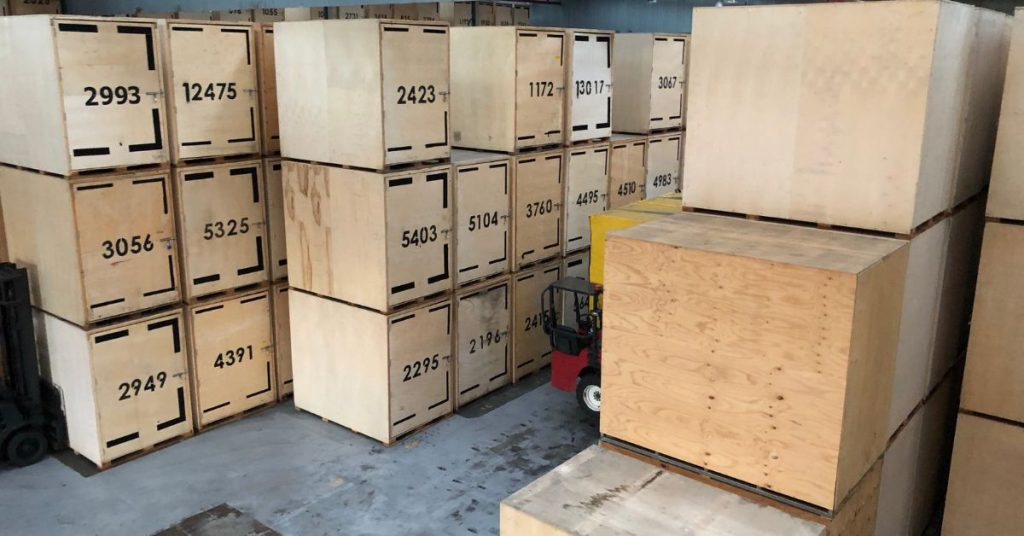
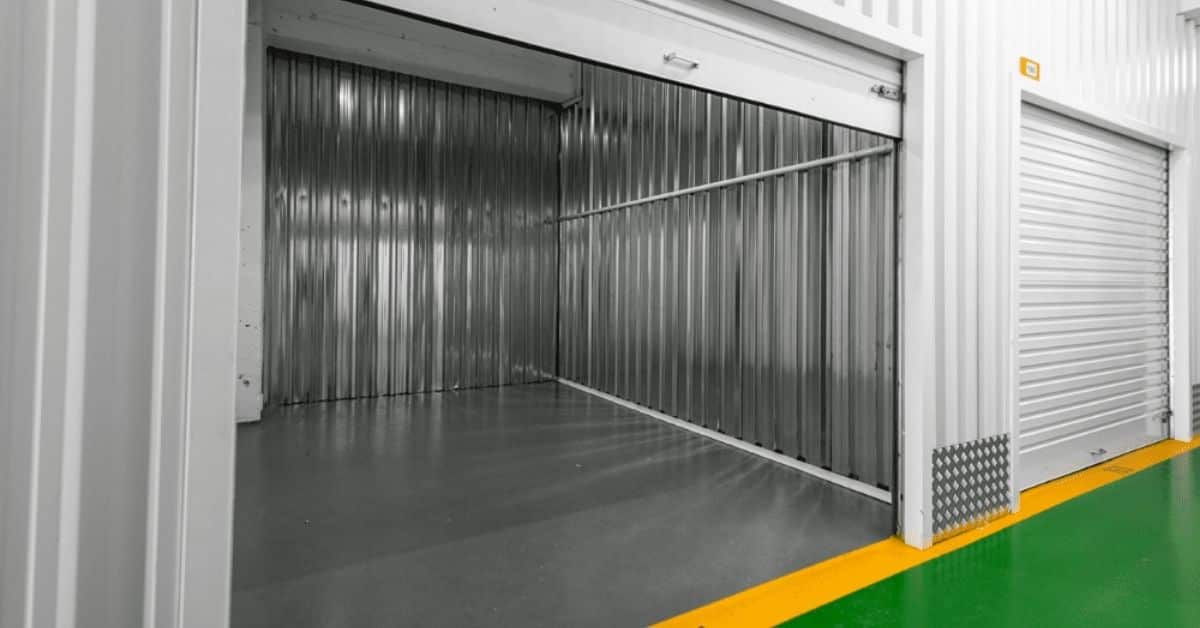
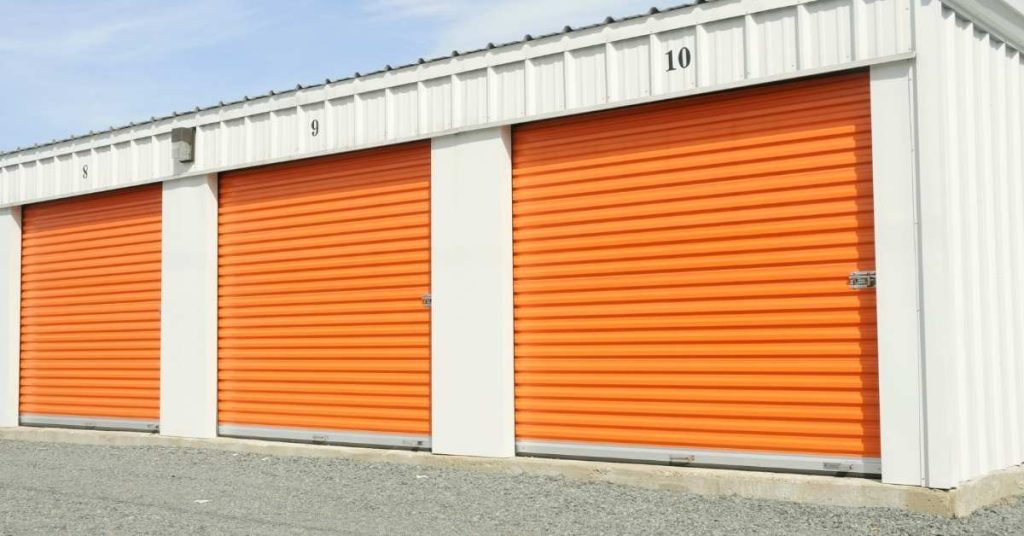
    You’ve probably come across storage lockers in various places – schools, gyms, workplaces, and even public spaces. They’re more than just metal boxes with locks; they serve a vital function of securely storing personal items. Whether you need to stash away your gym gear, safeguard valuable documents at work or simply declutter your home space, storage lockers can be an efficient solution.

    But did you know there’s a whole world of locker varieties available out there? From different types and sizes to indoor versus outdoor options, the range is indeed broad.

    Your choice depends on several factors including cost considerations and usage duration – whether it’s long-term or short-term. Additionally, maintenance plays a crucial role in prolonging the life of your locker. So let’s dive in and explore all that you need to know about selecting the right storage locker for your needs!

    Understanding the Purpose of a Storage Locker

    Ever wondered why you’d need a storage locker? Let’s dive into their purpose and see how they can make your life easier. Storage lockers are typically used to store personal items that you don’t have space for at home or in your office, or things you want to keep secure. They’re perfect for storing items such as books, clothes, electronics, furniture, and even vehicles. By having a specific place for these belongings, it helps to declutter your living or working spaces.

    Now let’s talk about the convenience of having your stuff stored away safely. Imagine this: you’re on vacation but don’t want to lug around all your luggage while sightseeing. A locker provides an excellent solution allowing you to travel light without worrying about losing any of your possessions. Or maybe you’re downsizing and just need temporary space until everything is sorted out – again, a storage locker comes in handy!

    But it’s not just about decluttering or convenience; security is another significant aspect of using storage lockers. These facilities usually have robust security measures in place like CCTV cameras, secure locks and sometimes even onsite personnel monitoring the premises 24/7. This makes them ideal for storing precious items like heirlooms or important documents that would be devastating if lost or stolen.

    So now that we’ve gone through some main reasons people use storage lockers – decluttering, convenience during travels or transitions in life and keeping valuables safe – perhaps it’s easier to understand their appeal. And who knows? Maybe there are few things lying around in your own home right now that could do with being put away safely into a locker!

    The Different Types of Lockers Available

    Imagine the relief you’ll feel knowing your valuable items are safely tucked away in a variety of secure compartments, each designed to meet specific needs. There’s a whole world of storage lockers out there, ready to give you that peace of mind. From small personal lockers perfect for storing purses and laptops to large industrial-sized compartments great for heavy-duty equipment – there’s a locker for every requirement.

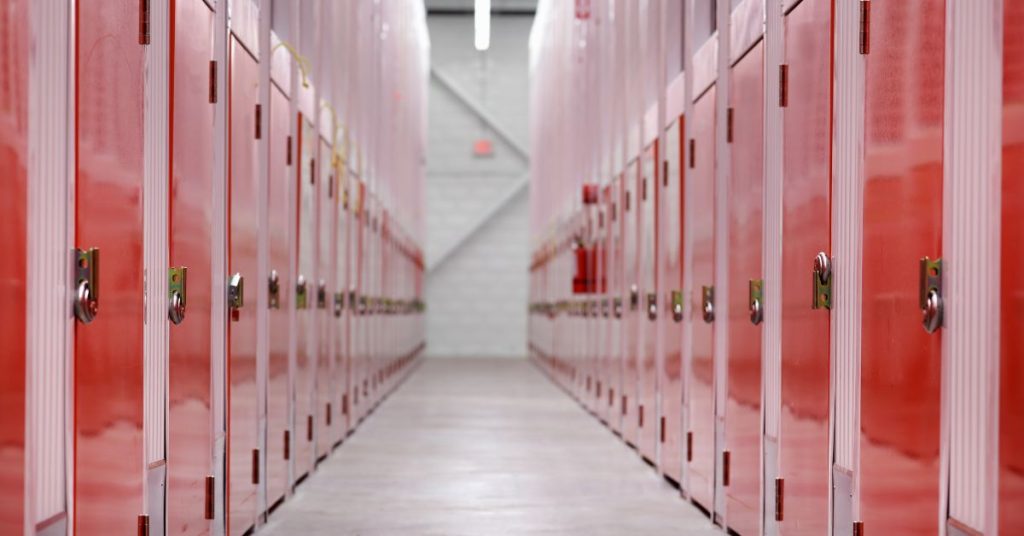
    You’ve probably seen standard metal lockers in schools or gyms. These are often freestanding units with thin metallic body and simple key locks, designed primarily for temporary storage. They’re ideal for holding books, clothes, sports gear or any other everyday items you might need to store while on-the-go. However, if security is your main concern, consider heavy-duty steel lockers which offer added durability and resistance against break-ins.

    If you want something less industrial-looking yet highly functional perhaps plastic or wooden lockers are your best bet. Plastic ones are particularly resistant to rust and corrosion making them perfect for use in damp areas like swimming pools or shower rooms. Wooden lockers on the other hand add an element of elegance and warmth wherever they’re installed; they can be found in high-end gyms or spas providing not just functionality but also contributing aesthetically.

    Remember though that choosing the right locker isn’t just about finding one that fits your stuff – it’s about aligning with your lifestyle as well as taking into account where it will be used and what exactly will be stored inside it.

    So think about these factors before making the final decision: materials matter (metal vs plastic vs wood), size matters (personal uses vs commercial purposes), location matters (indoor vs outdoor) and so does security level (standard key locks vs combination padlocks). With careful evaluation of all these elements, you’ll find a locker that perfectly suits your needs and ensures safety of your valuables at all times.

    Identifying Your Locker Needs

    Feeling overwhelmed by clutter in your life? Let’s take a moment to figure out what kind of secure space would best suit your needs for safely storing away those precious items. The first step is to take stock of what you need to store. Are they small personal items, important documents, or larger objects such as furniture or sports equipment? Additionally, consider whether these are items you’ll need frequent access to, or if they can be tucked away for longer periods.

    Next, think about the location and accessibility that suits your lifestyle. If you travel frequently and have valuable items that require secured storage while you’re away, a locker located at an airport might be perfect for you. Conversely, if it’s books and study material related to school or work that needs organising, then lockers located within educational institutions or workplaces could serve better.

    In addition to identifying what will go into the locker and where it should be placed based on convenience and accessibility, also ponder upon the security level required for your belongings. For example, if storing precious metals or jewellery is on top of your list then opting for lockers with advanced security features like biometric access control systems would be ideal.

    Don’t overlook the importance of carefully considering all these factors before deciding on a storage locker solution. When chosen correctly according to individual requirements not only does it become easier to manage clutter but also provides peace of mind knowing that valuables are securely stored away in an organised manner ready whenever needed next.

    Evaluating Locker Sizes

    Now, let’s dive into the nitty-gritty of sizing. You’ve got to contemplate how much room your possessions will need. Picture this: you’re surrounded by all the items you wish to stow away – do they take up a small shelf or a full-blown walk-in closet? Envisioning the space your stuff occupies is crucial in gauging what size storage locker you’ll require.

    Once that’s established, it’s time to understand common storage locker dimensions. Most facilities offer units ranging from 5×5 feet (comparable to a small closet) to 10 x 30 feet (akin to a standard garage). These dimensions refer to both floor space and height, so when considering which size is right for you, don’t forget about stacking! With some clever arrangement skills, even smaller lockers can hold an impressive amount of goods.

    Knowing your measurements isn’t enough though; it’s also important that you consider accessibility. If you pack your locker from wall-to-wall and top-to-bottom with no room left over, it might be hard for you to reach items tucked away at the back later on. So, perhaps leave some wiggle room or opt for a larger size if frequent access is needed. Additionally, consider whether larger items like furniture will fit through the door of the unit before committing.

    Remember that getting a storage locker isn’t just about finding somewhere with enough square footage for all your belongings; it’s also about ensuring practicality and ease of use. Think long-term – are there seasonal items that might need swapping out? Can heavy goods be stored lower down? Is there breathing space around electricals? By understanding these factors and evaluating various locker sizes carefully, you’ll secure yourself not just adequate but ideal storage space suited perfectly for your needs.

    Indoor vs. Outdoor Options

    When it comes to choosing between indoor and outdoor options, there’s more to consider than just the weather. The decision will largely depend on what you’re planning to store.

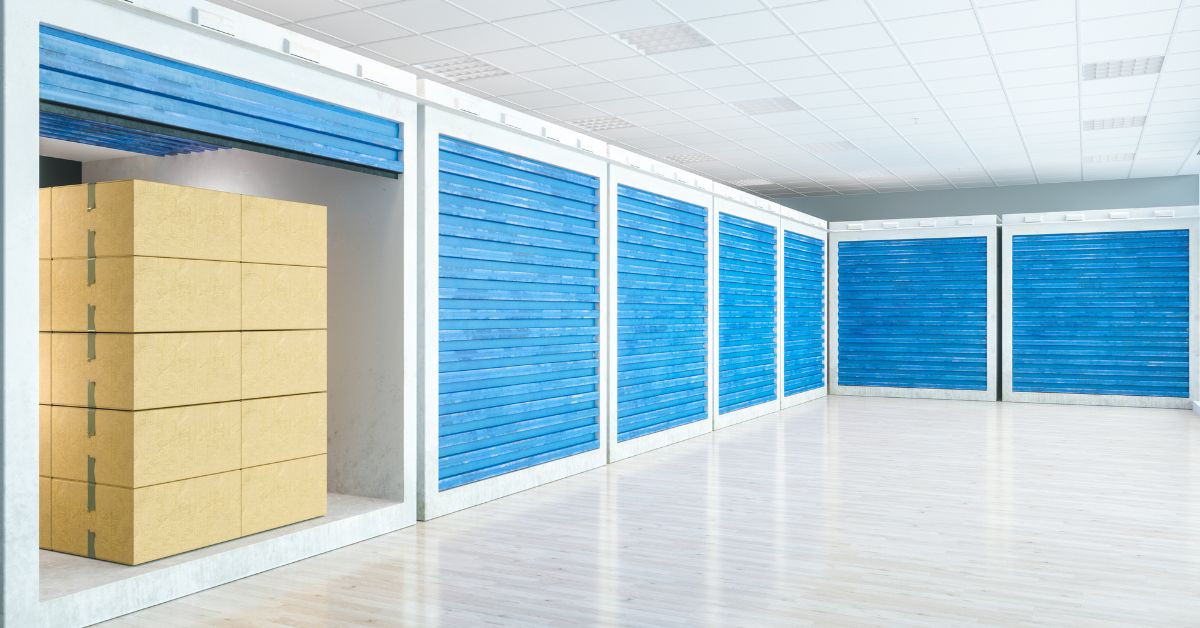
    If your items are sensitive to temperature and humidity fluctuations, an indoor storage locker would be best suited for your needs. Indoor lockers typically come with climate control facilities, making them ideal for storing antiques, important documents or electronics that can be damaged by extreme weather conditions.

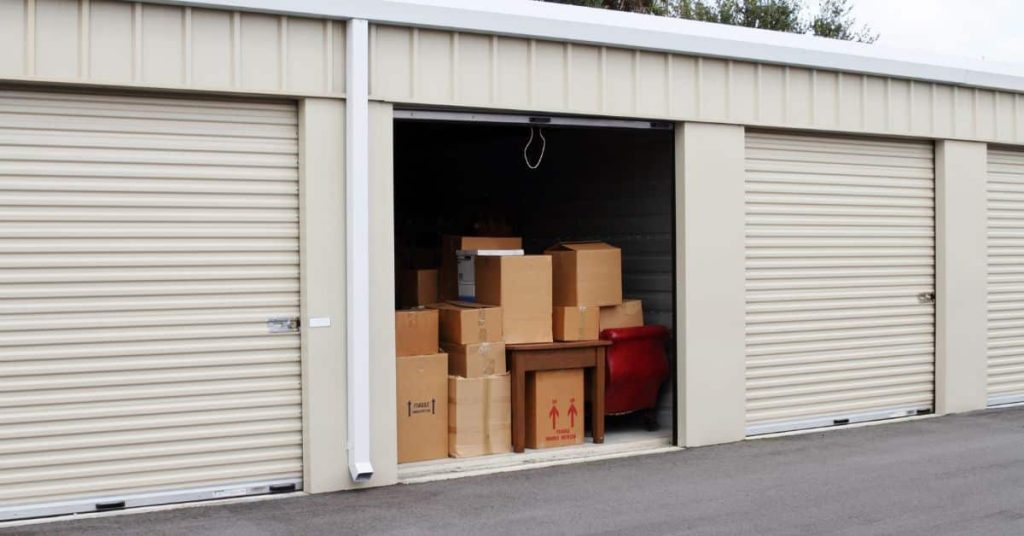
    Outdoor storage lockers, on the other hand, may not offer the same level of protection from the elements but they do have their own set of advantages. For instance, if you’re storing large items like furniture or vehicles that don’t require a controlled environment, an outdoor locker might be just what you need. They often provide more space and easier access compared to their indoor counterparts.

    Also worth considering is security measures in place at each type of facility. While both indoor and outdoor lockers should ideally have robust security systems such as video surveillance and gate access control systems in place; some might feel that indoor lockers offer an added layer of protection against theft or vandalism given they’re not directly accessible from outside.

    So while weighing up your choices between these two options depends heavily on what exactly you’ll be storing; also take into account how frequently you’ll need access to your belongings and how much peace of mind different levels of security give you. Remember – finding the perfect storage locker isn’t just about size; it’s also about ensuring it offers the right kind of protection for whatever treasures you plan on tucking away!

    The Importance of Locker Security

    Don’t underestimate the value of robust security measures in safeguarding your precious items, it’s an integral part of choosing a suitable safekeeping space.

    Whether you’re stashing away valuable jewellery, important documents or treasured memorabilia, the safety and security of your storage locker should be a top priority. For peace of mind, opt for facilities that prioritise security features – from sturdy locks to advanced surveillance systems. Remember, it’s not just about storing your items; it’s also about ensuring they remain secure and untouched.

    Take some time to investigate what kind of locker security is available before making a decision. Does the facility offer individual locking systems or do they rely on central control? Individual locks provide greater autonomy and reduce the risk of unauthorised access. Additionally, consider whether the lockers are made from durable materials capable of withstanding forced entry attempts.

    You should also check if there is any form of surveillance at the storage facility. CCTV cameras can act as a powerful deterrent against thefts and break-ins while providing recorded evidence in case an incident does occur. Moreover, ask about their access control procedures – do they employ staff around-the-clock or use electronic key cards for controlled access?

    Security is paramount when you’re entrusting your valuables to a third party – don’t take it lightly! Make sure to thoroughly check all aspects related to safety before settling for any storage unit service provider. A well-secured locker will provide you with much-needed peace-of-mind knowing that your precious belongings are safely stored away until you need them again.

    Cost Considerations in Locker Selection

    While security for your treasures is vital, it’s equally important to consider the price tag that comes with safeguarding them. Whether you’re a student needing a place to store your textbooks or a gym-goer looking for a safe spot to keep your workout gear, lockers can be an ideal storage solution.

    However, before you commit to any locker system, it’s crucial to understand that prices vary widely based on several factors such as size, material, location and even the level of security offered.

    One of the most significant cost considerations when selecting a locker is its size. Simply put, larger lockers tend to cost more than smaller ones. If you only need minimal storage space for a few items like books or clothes, opting for smaller units can significantly reduce costs. Similarly, the choice of material can impact the price point – heavy-duty metal lockers known for their durability are generally pricier than those made from plastic or wood.

    Another critical aspect influencing locker pricing is its location and associated rental fees if applicable. For instance, centrally located lockers in high-demand areas like gyms or public transport hubs may command higher rates due to their convenience and accessibility. On top of this are potential administration costs such as setup fee or maintenance charge that could incrementally increase overall expenses.

    Taking all these factors into account allows you to make an informed decision about which locker best suits your budget without compromising security needs. Remember not all expensive options guarantee better services; sometimes less pricey alternatives offer just what you require at a fraction of the cost – It’s all about finding that perfect balance between affordability and reliability!

    Long-term vs. Short-term Use

    So, you’ve sorted out your budget and understood the costs involved in choosing a storage locker. Now, it’s crucial to consider how long you’ll need this extra space for. Depending on whether you’re planning on using a locker for a short or long-term period can significantly influence your decision.

    If you’re just looking for somewhere to store your things temporarily – perhaps while moving house or renovating – then short-term use might suit you best. These types of contracts are usually flexible with options from one month upwards, making it easy to adjust based on your needs. However, remember that these prices can often be slightly higher than longer contracts due to the convenience and flexibility they offer.

    On the other hand, if you know that you’ll require storage for an extended period, selecting a long-term contract could be more cost-effective. Many companies offer discounted rates for customers who commit to keeping their lockers for six months or more. Not only do these agreements allow for better financial planning thanks to fixed monthly fees, but they also provide the security of knowing that your items have a home as long as necessary.

    But don’t rush into any decision without weighing all factors carefully. Consider not just cost but also location, accessibility and size when deciding between short-term and long-term use of storage lockers. Ultimately it comes down to what suits your specific circumstances best – there’s no one-size-fits-all solution here!

    Maintenance and Upkeep of Your Locker

    Keeping your space tidy and well-maintained isn’t just about aesthetics, it’s also a crucial part of maximising functionality and ensuring the longevity of your belongings.

    When it comes to storage lockers, regular maintenance and upkeep are key in making sure you’re taking full advantage of the space available to you, while also preserving the condition of stored items. Whether you’re using a locker for long-term or short-term storage, don’t underestimate the importance of routine checks and cleaning.

    The first step in maintaining your locker is cleanliness. Dust, moisture, and pests can all cause damage to both the locker itself and its contents if left unchecked.

    So make sure you schedule regular cleanings. Use a damp cloth to wipe down shelves and walls inside the locker; this will help eliminate dust which could harm sensitive items like electronics or paper documents. If there’s any sign of moisture or leaks within your locker, take immediate action – these issues can lead to mould growth which can be destructive for many types of materials.

    Next up is organisation! A well-organised locker not only makes finding what you need easier but also helps prevent accidental damage caused by overcrowding or misplacement. Consider using bins or boxes for smaller items – they’ll keep things tidy while protecting them from dust and potential impact damage. Label everything clearly so there’s no confusion about where things belong when putting them back after use.

    Regular inspection rounds out our maintenance tips for storage lockers. By keeping a close eye on your locker’s state regularly, you’ll be able to catch problems early before they become more serious (and potentially costly) issues down the line. Check for signs of rust on metal parts as this may indicate water leakage that needs resolving quickly.

    Look at locks too; they should function smoothly without sticking – if not, some lubrication might be needed. Don’t forget about checking stored items themselves – if something seems off with an item (like an unexpected odour or discolouration), it’s best to investigate and rectify the situation promptly. Remember, maintaining your locker isn’t just about preserving the space – it’s also about taking care of what’s inside.

    Locating a Reliable Locker Provider

    Finding a trustworthy provider for your personal or professional cubby needs can feel like navigating through a maze, but it’s absolutely crucial to ensure the safety and longevity of your belongings. There are several factors you should consider when choosing a locker provider. For example, look into their reputation. Do they have positive reviews from past users? You’ll want to choose a company that’s known for its reliability and high-quality products.

    Next, you should examine the different types of lockers they offer. Not all storage lockers are created equal – some may be better suited to your specific needs than others. Are you storing valuable items that require extra security measures? If so, opt for a company that offers lockers with advanced locking systems. Conversely, if you need something more basic, don’t pay extra for features you won’t use.

    Moreover, consider the cost-effectiveness of the storage locker provider. While price shouldn’t be your only consideration, it’s still an important factor in making your decision. Look at not just the upfront costs but also any ongoing fees or charges associated with maintenance or upgrades that could add up over time.

    Before making any commitments though, make sure to read all contracts thoroughly and understand what services are included in your agreement with the locker provider – such as insurance coverage on stored items or access hours to the facility. Remember: when it comes to securing a reliable locker provider, doing adequate research will save you from headaches down the road!

    Conclusion

    In conclusion, you’ve seen how versatile storage lockers can be. They’re not just for schools and gyms! Identifying your needs helps you navigate the variety available, from sizes to indoor or outdoor options.

    Remember, cost and duration of use are significant factors too. Don’t forget about upkeep; a well-maintained locker lasts longer. Now that you’re armed with this knowledge, finding a reputable provider should be a breeze!


  • Maximising Productivity: Decluttering Your Workspace With Storage Units

    Maximising Productivity: Decluttering Your Workspace With Storage Units

    You’re no stranger to the chaos that a cluttered workspace can create. Piles of paper, redundant office supplies and random personal items scattered across your desk – it’s not exactly an environment conducive to productivity,

    is it? A disorganised workspace can be overwhelming and distracting, making it difficult for you to focus on your work. The good news is there’s a simple solution to this problem: decluttering your workspace with storage units.

    Now you might be thinking, “But where do I start?”or “How will storage units help me increase my productivity?”Don’t worry; we’ve got all the answers in this article! We’ll show you how identifying items for storage and exploring different types of storage solutions can lead to a more organised workspace. Plus, we’ll provide tips on organising your work area and implementing a regular cleaning schedule.

    By the end of this guide, maintaining your newly organised space won’t seem like such an uphill task anymore! So let’s dive in and kick those productivity levels up a notch by decluttering your workspace.

    The Importance of an Organised Environment

    Imagine walking into your workspace, where every item has a designated spot and there’s not a single unnecessary thing in sight – that’s the power of an organised environment on your productivity. Your mind immediately feels at ease as you take in the clean, clutter-free surroundings.

    There’s no need to wade through piles of papers or rummage around for lost items because everything is right where it should be. This kind of organisation doesn’t just make your physical environment more pleasant; it also has a profound impact on your mental state.

    When your workspace is neat and orderly, you’re able to focus much better on the task at hand. You’re not constantly being distracted by random things lying around or feeling stressed out by the sheer amount of stuff that surrounds you.

    Instead, you can direct all your attention and energy towards what really matters: getting work done efficiently and effectively. In this way, an organised environment directly contributes to maximising productivity.

    Apart from fostering greater focus and efficiency, having an organised workspace also promotes a sense of control and competence. When everything has its place, it sends a powerful message that you are capable of managing your space – and by extension, managing your work tasks too. You feel less overwhelmed by responsibilities because you’ve successfully tamed one aspect of chaos in life: clutter.

    So next time when you step into your office or sit down at home to get some work done, give some thought to the state of your surroundings. Could they use a bit more order? Would investing in some storage units help keep things tidy? Remember that decluttering isn’t just about making space look nice; rather it’s about creating an environment which allows for optimal productivity – both mentally and physically.

    The Negative Impact of Clutter on Efficiency

    Drowning in a sea of scattered papers and lost among stacks of unsorted files, you’re wasting precious hours that could be better spent on completing tasks efficiently. The clutter on your desk is not just an eyesore; it’s draining your mental energy and reducing your concentration. Each time you look at the messy workspace, your brain tries to make sense of the disorderly sight, diverting cognitive resources from what really matters – your work.

    Clutter also puts you in a constant state of distraction, making it impossible for you to focus on one thing at a time. It’s like trying to complete a jigsaw puzzle with pieces missing or scattered around. You can’t possibly hope to gain momentum when every few minutes are spent searching for something hidden under piles of mess. This constant interruption disrupts your workflow and significantly impacts productivity.

    Moreover, clutter induces stress and anxiety which further degrades performance. A study by Princeton University Neuroscience Institute found that physical clutter competes for attention, leading to decreased performance and increased stress levels. When there’s too much stuff around us, our brains struggle to process information effectively which results in feeling overwhelmed or anxious.

    Keeping this all in mind, it becomes clear how critical decluttering is for optimising productivity. By investing some time into organising your workspace with storage units or filing systems, you can transform chaos into orderliness – saving valuable work hours as well as maintaining peace of mind. Remember: a clean workspace isn’t just about aesthetics; it’s about creating an environment conducive to efficiency and success.

    Identifying Items for Storage

    As you sift through the mountain of items on your desk, it’s easy to feel overwhelmed by the sheer volume of stuff that seems important but is actually just clogging up valuable work space. The first step in decluttering and maximising productivity is identifying what items are essential and what can be stored away.

    Don’t let sentimentality or ‘just in case’ thinking hold you back from this process. Remember, the goal here isn’t minimalist aesthetics; it’s about creating a workspace that allows you to work efficiently and without unnecessary distractions.

    Start by categorising items into three groups: things you use daily, occasionally used items, and rarely used or unnecessary ones. Your daily-use items should stay within easy reach on your desk – these could include your computer, phone, notepads or any other tools crucial for your work.

    Occasionally used items might include reference books, extra stationery or files that you don’t need to access every day. If these aren’t needed immediately but still have utility for your work, consider storing them in drawers or shelves where they’re accessible but not cluttering your main workspace.

    The last category – rarely used or unnecessary items – requires a critical eye. These might be old files that haven’t been touched in months or years, knickknacks with no real purpose other than decoration, excess office supplies hoarded ‘just in case’, outdated technology and so on. It’s tempting to hold onto these under the guise of being prepared for all eventualities but more often than not they simply take up space without contributing anything positive to your productivity.

    So take a deep breath and start sorting through those piles on your desk. Be ruthless as you evaluate each item’s worthiness to occupy space in your working area – if something isn’t necessary or useful at least once per month then it’s probably better off being stored elsewhere or discarded entirely.

    Remember: an organised workspace doesn’t only look good – it boosts your productivity, reduces stress and enhances your overall work experience. Embrace the clear space, enjoy the freedom of movement – both physically and mentally – and watch how quickly your productivity levels rise!

    Exploring Different Types of Storage Solutions

    Once you’ve sorted through your items and determined what’s essential, it’s time to consider different types of organising solutions that can help keep everything in its place. There are several storage options available, depending on the nature of the items and the space available in your workspace. You’ll need to think about what type of storage will work best for you.

    Do you need large containers for bulky items? Or are small compartments better suited for tiny knick-knacks? The first step is understanding your needs.

    For larger items like extra office chairs, filing cabinets or unused equipment, consider investing in a self-storage unit. These units come in various sizes and offer a secure place to store items that aren’t needed on a daily basis but might be useful down the line. They’re especially handy if you’re working with a compact workspace and don’t want these bulkier things taking up valuable real estate.

    If you’re dealing with smaller objects like stationery supplies, documents or personal mementos, then desktop organisers, drawer dividers or shelving units might be more appropriate. Desktop organisers keep commonly-used tools within reach while maintaining neatness.

    Drawer dividers create distinct spaces for different categories of items preventing them from turning into a jumbled mess. Shelving units, on the other hand, utilise vertical space efficiently and can accommodate an array of item sizes.

    Remember to make good use of wall space too! Wall-mounted file holders can free up desk space while keeping important documents accessible. Pegboards provide customisable storage solutions – ideal for hanging anything from keys to headphones to measuring tape reels.

    Overall, choosing the right type of storage solution hinges upon understanding your needs and being creative with how you utilise your workspace area. Each solution has its strengths; find what works best for you and watch as productivity flourishes amidst newfound orderliness.

    Tips on Organising Your Work Area

    Ready to get that work area in shipshape? Here are some nifty tips and tricks on how to organise effectively for a smoother, more enjoyable working experience.

    Start by sorting out what you need and don’t need – be ruthless! If something hasn’t been used in the last three months and it’s not seasonally specific, chances are you don’t need it cluttering your workspace. Once you’ve separated the wheat from the chaff, you can start thinking about storage solutions.

    Now consider your space layout rationally. Where do things make sense? What’s within easy reach? Designate areas of your workspace for particular tasks or items. You could have an area for all your current projects, a zone specifically for supplies or materials, another spot designated solely for personal items like photos or mementos. Remember that the key is accessibility – if you use it often, keep it close!

    Next up: containers! They’re an organiser’s best friend when decluttering a workspace. A good system might involve different types of containers depending upon what they’re storing; files go into file holders, pens into pen pots etc. Label everything clearly so there’s no confusion as to where things should be returned after use. And remember – everything should have its own place.

    So there we have it – some simple but effective strategies to help streamline your work area using storage units and clever organisation techniques.

    The goal is always maintaining order over time rather than resorting to frantic tidying sessions every few weeks! With this approach towards organising your workspace, you’ll find productivity levels soaring while stress decreases dramatically – just watch how much more enjoyable getting down to work becomes!

    The Connection Between Cleanliness and Mood

    Believe it or not, keeping a tidy and clean environment can really do wonders for your mood! There’s something about decluttering your space that feels therapeutic. You could be having the worst day ever, but as soon as you start cleaning up around you, things start to feel a little lighter. It’s like magic! You’re effectively getting rid of all the unnecessary stuff that’s only taking up room and causing stress.

    The science behind this is quite fascinating. Studies have shown that cluttered spaces can cause anxiety and reduce focus. Having an untidy workspace tends to distract us from what we need to do, thereby lowering productivity levels significantly. Conversely, when you maintain a neat and orderly workspace by using storage units, it creates an atmosphere conducive to work which enhances concentration.

    Furthermore, cleanliness has been proven to contribute positively towards mental health too. A clean environment fosters peace of mind – imagine coming in every morning to a desk that’s clear of any mess; doesn’t that just start your day off on such a positive note? This simple act of cleanliness can set off a chain reaction for the rest of your day: boosting your morale, increasing motivation and thereby improving overall productivity at work.

    So go on! Grab those storage units and start decluttering today. Give yourself the gift of a serene workspace where you can truly maximise your potential without any distractions or hindrances caused by clutter. Remember: A tidy workspace isn’t just about aesthetics—it’s also about creating an environment where creativity and productivity thrive unabated!

    Implementing a Regular Cleaning Schedule

    So, how about we kick off this new journey towards cleanliness with a regular cleaning schedule? Implementing a routine can be your first step in transforming your workspace into the epitome of efficiency. It’s not necessary to do it all in one go; you just need to prioritise and organise. Start with sorting out what is essential for your work, then discard or store away items that aren’t directly contributing to your productivity.

    Taking small steps consistently can yield significant results over time. Let’s say you decide to dedicate 15 minutes at the end of each day to decluttering and organising your workspace. This could involve filing documents, wiping down surfaces, or even just arranging things neatly on your desk. Trust me, these seemingly minor tasks can make a massive difference in maintaining an orderly environment.

    Remember, consistency is key when establishing a cleaning schedule. The aim is not only to clean but also maintain this cleanliness long-term by making it part of your daily routine. You’ll find as you stick with it, keeping an organised space becomes less of a chore and more like second nature.

    Creating an efficient workspace through regular cleaning benefits not just productivity but overall well-being too. When everything has its place and unnecessary clutter is eliminated from sight, concentration improves significantly leading to enhanced performance levels at work. So don’t delay – start implementing that regular cleaning schedule today! You’re sure to see the positive impact sooner than you think.

    How to Maintain Your Newly Organised Space

    Once you’ve got that fresh, organised space in order, it’s essential to keep up the good work and maintain its neatness. That might seem like a daunting task after all the effort you’ve put into decluttering and organising your workspace. But don’t worry; keeping your workspace clean isn’t as hard as it looks. It’s all about developing simple habits that can help you maintain that tidy environment.

    Firstly, consider implementing a “one in, one out”rule. This means for every new item you bring into your workspace, an old one needs to be removed or stored away properly. This helps prevent accumulation of unnecessary items on your desk or within your office area.

    You might also find it useful to have a designated spot for everything – from pens and notebooks to files and coffee mugs – this way things aren’t just randomly scattered around.

    Another helpful habit is cleaning up at the end of each day or week depending on how heavily you use your workspace. Take five minutes before leaving work or shutting down for the day to tidy up any mess made throughout the day. This could involve returning items back to their designated spots, throwing away trash, or clearing out anything that doesn’t belong there anymore.

    Keeping an organised workspace doesn’t stop with decluttering once; it calls for consistent efforts over time. So make these small but powerful habits part of your daily routine and watch as they transform not only your physical space but also boost productivity levels significantly! Remember maintaining an orderly environment is much easier than having to do a major clean-up every few weeks because things got out of hand again!

    Evaluating the Impact of a Decluttered Environment on Work Output

    In assessing the ripple effect of an uncluttered environment on work efficiency, it’s crucial to note the profound enhancement in focus and creativity that emerges. The absence of unnecessary distractions allows your mind to concentrate better on the task at hand.

    You’re not wasting precious minutes searching for a misplaced document or getting sidetracked by a cluttered desk. This mental clarity can lead to innovative ideas and solutions you may not have considered in a chaotic workspace.

    Not only does decluttering your workspace boost focus and innovation, but it also significantly improves time management skills. Think about how much time you’d save if everything you need is neatly arranged within arm’s reach instead of being buried under piles of unrelated items. You’ll notice an uptick in productivity because you’re able to complete tasks faster and more efficiently without constantly having to battle disorder.

    Beyond productivity, another compelling impact of a decluttered environment is its influence on stress levels. Studies show that physical clutter can cause anxiety and make it harder for people to relax, both physically and mentally. By keeping your workspace tidy with storage units, you’re effectively creating a serene environment where you can work calmly without feeling overwhelmed.

    It’s clear that the benefits of maintaining an organised workspace extend far beyond simple aesthetics or preferences—they genuinely contribute to enhancing work output. So don’t underestimate the power of decluttering; it might be just what you need for that extra push towards success!

    Case Studies: Successful Workspace Transformations

    After delving into the effects of a decluttered environment on work output, it’s time we explore some real-world instances. We’ll dive straight into some fascinating case studies that highlight successful workspace transformations. Don’t worry if you’re feeling overwhelmed by the thought of revamping your space; these examples will provide practical tips and inspiration to get started.

    First off, consider Jane, a freelance graphic designer who struggled with productivity due to her disorganised workspace. She took the leap and invested in several storage units to declutter her studio. After sorting through irrelevant items and organising essential ones meticulously, her creative output improved dramatically. Now she spends less time searching for tools or getting distracted by clutter and more time focused on creating incredible designs.

    Next is Mike’s story, an architect who found his desk drowning under blueprints, samples of materials, and various stationery items. By incorporating vertical shelving units and dedicated drawers for materials in his office setup, he managed to clear out significant desk space for actual work.

    This transformation not only streamlined his workflow but also enhanced his mental clarity – enabling him to deliver better architectural plans more efficiently.

    To wrap up this part of our discussion let’s look at Sarah’s journey. As an entrepreneur juggling multiple roles in her startup company, her workspace was perpetually chaotic until she decided to use storage units strategically positioned around her office area. With everything properly labelled and easily accessible now, she saves a considerable amount of time daily which she uses productively towards scaling up her business operations.

    Conclusion

    You’ve made it! You’ve decluttered your workspace and boosted your productivity. Don’t forget to keep things tidy with a regular cleaning schedule. Your efficiency will thank you.

    Remember, an organised workspace is the ticket to maximising your work output. Take advantage of storage solutions, keep only what’s necessary, and watch as your productivity soars. You got this!

  • Choosing The Right Storage Unit Size For Your Business Needs

    Choosing The Right Storage Unit Size For Your Business Needs

    When it comes to running your business, you’ll find that space is a valuable commodity. Whether you’re trying to declutter your workspace or hold extra inventory, finding the right storage unit can be critical to your operational efficiency. It’s not just about choosing any storage facility; selecting the correct size and type of unit that suits your business needs demands careful consideration.

    You might be wondering, how do you go about deciding on the perfect storage unit? Well, it really isn’t as daunting as it seems! From understanding different types of units available and evaluating the quantity of items you have for storing to considering access needs and even factoring in future expansion plans – there are several factors that can guide your decision-making process. Not forgetting key considerations such as security features, climate control facilities, lease terms and location convenience – all these contribute towards making an informed choice. So let’s dive into how you can select the right storage unit size for your specific business requirements.

    Understanding Different Types of Units

    You’ve got to understand, selecting the right storage unit is not just about size – it’s also about identifying the type that perfectly resonates with your unique business needs and sparks a sense of confidence in your decision. There’s more to this process than meets the eye. Different types of units cater to diverse requirements, so you need to be sure about what exactly you’re looking for. Are you storing sensitive documents or bulky machinery? Do you need constant access or can they stay untouched for months? All these considerations will play a crucial role in determining the best option for your company.

    Let’s start by examining standard units. These are typically unconditioned spaces offering flexibility in terms of size ranges, from small lockers to large rooms. If your items do not require any specific temperature control and can withstand various climatic conditions, this could be an economical choice. Standard units are commonly used for storing office equipment, unused furniture, or archived paperwork that doesn’t need frequent retrieval.

    Climate-controlled units are another popular choice among businesses. They maintain a steady temperature year-round and often have humidity controls as well—a lifesaver if you’re planning on storing delicate items like electronics or important paper documents susceptible to damage through extreme temperatures or moisture levels. These units may cost more than their standard counterparts but offer peace of mind knowing your valuables are protected against unforeseen environmental changes.

    To make the most informed decision on what type of storage unit fits your needs best, take inventory of what items you plan on storing and assess their individual requirements. Remember that making the right selection isn’t only beneficial from an organisational standpoint—it can help protect your investments too! So don’t rush; take time to thoroughly review each option available before finally settling on one that gives you confidence while meeting all your specific business needs effectively and efficiently.

    Evaluating the Quantity of Items

    Before making a decision, it’s critical to accurately evaluate the quantity of items that you’ll be storing. This isn’t just about counting boxes; it involves considering the size and weight of each item, the potential for adding more items in the future, and how often you anticipate needing to access these things. Don’t underestimate this step because it can greatly influence your choice of storage unit size. For instance, if you have larger or heavier items like furniture or machinery, they may require more space than smaller or lighter goods.

    It’s also important to think about how you’re going to organise your storage unit. Will everything be stacked neatly in labelled boxes? Or will there be larger items that don’t fit into standard-sized boxes? Keep in mind that proper organisation is key not only for optimal use of space but also for easy access to your stored items. If you pack everything too tightly together without leaving any aisle space, it could become difficult and time-consuming to find what you need when you need it.

    Remember that while packing things efficiently can save some space, overstuffing a unit can lead to damage or loss of goods due to limited ventilation or accidental crushing. That’s why it’s recommended to leave some room for air circulation and movement within the unit. Also consider whether any of your goods are temperature-sensitive since certain materials may warp, crack or otherwise get damaged if exposed to extreme heat or cold.

    You should contemplate on possible growth as well – will your business expand in the near future? Do you foresee a significant increase in inventory? If so, opting for a slightly larger storage unit now might save you from having to relocate all your stored goods later on which would take time and effort not to mention additional costs associated with moving expenses. By carefully evaluating both current needs and potential future scenarios, you can make an informed decision regarding the best storage unit size for your business needs.

    Identifying the Type of Items for Storing

    Understanding precisely what items you’ll be storing is another essential aspect to consider in this process. All items aren’t made equal, and therefore, not everything can be packed into the same box or placed on the same shelf. Some objects might require more space due to their size or shape, while others need special storage conditions because of their material or sensitivity. You have to identify each item’s specific needs before settling on a storage unit size.

    For instance, if your business deals with bulky equipment or furniture, you’ll need a larger unit than if you’re only storing files and office supplies. Items like machinery, large tools, and vehicles demand spacious storage units for proper accommodation without damaging them. Don’t underestimate these sizable assets; they may take up more room than you initially think.

    Similarly, delicate items such as artwork, electronics, and important documents may require climate-controlled units which generally come in certain sizes. Humidity and temperature changes can wreak havoc on sensitive materials leading to irreversible damage. If this applies to your inventory, it’s crucial that you factor this requirement into your decision-making process.

    Moreover, considering future scalability is wise as well. Your current stock level might fit comfortably in a smaller unit right now but think about six months down the line when your business expands? Will that same unit still serve its purpose? It’s better to have more room than necessary rather than having too little when it counts most. Thus by accurately identifying the type of items you plan on storing now and anticipating your future needs will guide you towards choosing the perfect storage unit size for your business requirements.

    Considering Accessibility Needs

    It’s essential to not overlook the accessibility of your stored items when deciding on a storage space. When running a business, efficiency is key and you don’t want to waste valuable time trying to manoeuvre through tightly packed boxes or climbing over large furniture pieces just to find what you need. Consider how often you’ll need access to your items. If it’s frequently, then choosing a larger unit that allows for easy movement might be worth the extra cost.

    Keep in mind that certain storage facilities offer different access times. Some provide 24/7 access while others have specific operating hours. If your business operations require night-time or early morning access to stored goods, ensure that the facility can accommodate these needs. It’s also wise to consider the location of the unit within the facility itself; ground-level units typically offer easier and quicker access than those located on upper levels.

    Layout and organisation are two more factors that should influence your decision. You may want a larger unit not because you have so many items, but because you want enough room for shelving and clear walkways. This way, even if an item is at the back of the unit, you can easily reach it without having to move everything else aside first.

    Without doubt, considering accessibility needs will make all the difference in how well your chosen storage solution works for your business. So take into account how often and at what times you’ll need access as well as how simple it will be to actually get hold of things once inside. With careful planning around these aspects, finding a storage unit that truly fits with your operational needs becomes much easier – giving both you and your business room to grow!

    Factoring in Future Expansion

    Dreaming big is part of every entrepreneur’s journey, and when it comes to storage solutions, you shouldn’t limit your vision. You’ve got a growing business, which means your storage needs are going to expand too. While it might be tempting to save money in the short term by opting for a smaller unit, think about how quickly you’re planning on expanding. If it’s within the next year or two, you might find yourself scrambling for additional space sooner than you’d like.

    When considering future expansion, don’t just think about the physical products you’ll need to store. Also consider documents and records that will accumulate over time. Even if these items aren’t large in volume, they can still take up considerable space. To avoid future headaches and additional expenses related with moving to a larger unit or renting an extra one after only a short period of time, factor in this growth from day one.

    Another aspect to bear in mind is how your business model may evolve over time. Perhaps right now you’re focusing solely on local distribution but have ambitions for national or even international sales further down the line. This could mean increased stock levels requiring more storage space than initially anticipated.

    So remember – as exciting as it is to see your business grow and flourish, that success also brings new challenges when it comes to logistics and storage solutions. Don’t underestimate your potential – aim high when choosing your initial unit size so that there’s room for all those fabulous growth opportunities waiting around the corner!

    Weighing Costs vs. Benefits

    When you’re tallying up the expenses and advantages of your storage solutions, it’s crucial to consider not only the immediate financial impact but also how these decisions will influence your business’s long-term growth and efficiency. Sure, a larger unit might feel like a hefty investment upfront. But remember, if this means you won’t have to constantly move items around or rent additional space as your needs expand, it could be well worth the cost in terms of both time and money saved down the line.

    Think about it this way: If you choose a smaller unit because it’s cheaper now but end up needing more space later on, you’ll have to deal with the hassle of transferring everything to a bigger location. This isn’t just about physical effort; there are also potential losses in productivity as your team has to take time out from their regular tasks to handle the move. Plus, you’ll likely face additional costs for breaking your lease early or for renting multiple units at once.

    On the flip side, opting for a larger storage unit from the start gives you room for future expansion without any need for relocation. It can act as an insurance policy against potential disruptions caused by unexpected business growth or seasonal inventory fluctuations. You’re buying peace of mind knowing that whatever comes next, you’ve got ample space ready and waiting.

    Weighing costs versus benefits is all about looking beyond immediate sticker shock and considering how each choice could affect your operations long term. So while yes, that larger unit does come with a heftier price tag initially; its value lies in preventing interruptions during crucial periods of business growth and reducing overall logistical challenges associated with insufficient storage. Remember – smart investments today can lead to significant savings tomorrow!

    Checking Security Features

    Don’t overlook the importance of checking out a facility’s storage unit’s security features, as safeguarding your assets should be a top priority. When it comes to choosing the right storage unit size for your business needs, one crucial factor that can often be forgotten is the level of protection offered by the facility. You’re not just storing items; you’re entrusting an establishment with valuable property that could possibly be vital for your business operations. It’s essential to ensure these valuables are well-protected against potential threats like theft, vandalism, or natural disasters.

    Firstly, check if the facility has robust physical security measures in place. This includes things like perimeter fencing and gates with coded access control systems to prevent unauthorised entry. Look around for surveillance cameras and ask about their coverage areas – are they monitoring all entrances and exits 24/7? Are there well-lit pathways and storage areas to deter potential thieves? Additionally, consider whether there are on-site security personnel who regularly patrol the grounds.

    Next up is fire safety – does the facility have smoke detectors and sprinkler systems installed throughout? This is particularly important if you’ll be storing documents or other flammable materials. Also worth considering is whether they offer units with climate control features, especially if you plan on storing delicate items such as electronics or antique furniture which might get damaged due to extreme temperatures or humidity levels.

    Now that we’ve covered what to look out for regarding security features in a storage unit facility, make sure not only to consider these factors but also communicate your specific concerns with management. If there are certain items of high value or particular sensitivity being stored, discuss this with them so they understand your needs better and can suggest appropriate solutions. Remember: when it comes to protecting your assets, being proactive about asking questions now will save you a lot of stress down the line!

    Inspecting Climate Control Facilities

    Before you sign on the dotted line, it’s worth taking a closer look at the facility’s climate control capabilities. This feature is particularly important if your business involves items that are sensitive to temperature or humidity changes.

    These could be anything from paperwork and electronics to antiques and pharmaceuticals. Be sure to ask the storage unit provider about their climate control systems and how they maintain consistent temperatures and humidity levels throughout all seasons.

    Don’t just take their word for it though – request a tour of the facilities so you can see these systems in action. Pay attention to whether there are separate controls for different areas or units, as this might impact how well your goods are preserved. Also, check out any insulation measures in place; good insulation will prevent rapid temperature fluctuations that could harm your items.

    It’s also wise to inquire about any contingency plans in case of system failure, power outage, or natural disaster. You don’t want a heatwave or flood ruining your precious inventory because there was no backup plan in place! Ask them what steps they’ve taken to ensure continuity of service under extreme conditions.

    So remember, when choosing a storage unit size for your business needs, always verify if the facility has adequate climate control features. It isn’t enough that your items fit comfortably within the space; they must also be stored under conditions that preserve their quality and value over time. A proper inspection now could save you a world of trouble down the line – keeping both your assets safe and your peace of mind intact.

    Reviewing Lease Terms

    After determining the need for climate-controlled facilities, there’s another crucial aspect to take into account before settling on a storage unit for your business. This crucial phase involves going through the lease terms with a fine-tooth comb. While this might seem straightforward, it’s vital not to overlook any detail.

    Reading and understanding all the lease terms can save you from potential inconveniences down the line. For instance, you’ll want to be clear on what happens if you need to vacate the unit earlier than expected or if you require an extension of your lease term. Are there penalty fees associated with early termination? Do they offer flexible options that allow extensions without additional costs? These are just some of the questions that should be answered before signing anything.

    It’s also necessary to inquire about payment terms and conditions. How often will payments need to be made – monthly, quarterly or yearly? Is there an option for automatic deductions or online payments? You’ll also want clarity on late payment penalties and grace periods. This way, you can effectively plan your finances around these costs and avoid any unexpected charges.

    One last thing to look out for is the security deposit requirement. Most storage facilities ask for one up front as protection against damage or contract violation. Make sure you understand under what circumstances this deposit is refundable and how much notice must be given if you decide to move out. Remember, knowledge is power when it comes to negotiating leases; don’t put pen to paper until all your concerns have been addressed satisfactorily.

    Selecting a Convenient Location

    Beyond just considering the terms of the lease, it’s also crucial that you consider the location of your potential storage facility. If your business relies heavily on stored items or materials, a conveniently located storage unit can save you significant time and money. Think about how often you’ll need to access the storage unit and where it’s located in relation to your primary business operations. A convenient location could mean less travel time for staff, quicker turnaround times for inventory management, and overall improved efficiency.

    In choosing a suitable location, consider factors like proximity to major highways or roads and ease of access around the clock. You don’t want to be stuck in traffic every time you need to get something from storage or find that accessing your goods late at night is a hassle due to security restrictions. Try to choose a facility with easy drive-up access and 24/7 availability if possible.

    Another consideration when selecting a convenient location is safety. The area should be well-lit, secure, and ideally monitored by CCTV cameras. It’s not just about having peace-of-mind knowing that your business assets are safe; insurance companies may offer better rates on units located in safer neighbourhoods as well.

    Choosing a conveniently located storage unit means more than just picking one close to your office or retail outlet. It involves considering how easily accessible it is during different times of day, its safety features, and its proximity to transport links. Remember – smart choices now will lead to smoother operations down the line for your business needs.

    Conclusion

    In sum, choosing the right storage unit size for your business needs is a crucial step. It’s about understanding different types of units, evaluating your items, and considering your accessibility needs.

    Don’t forget to factor in future expansion plans, security features, climate control facilities, lease terms and location convenience. With all these elements in mind, you’re well on your way to making an informed decision that will benefit your business.

  • Seasonal Storage Solutions For Retail Businesses.

    Seasonal Storage Solutions For Retail Businesses.

    You’re a retail business owner, right? Then you know that managing your inventory effectively is no small feat. It’s like an intricate dance, balancing what you have on hand with what customers want to buy. And when the seasons change, so do buying trends and therefore your storage needs. This can be even more challenging if your physical space is limited. But worry not! There are ways to make the most of it, and we’re here to help.

    Imagine having all your items neatly stored away without cluttering up your valuable floor space or causing losses due to mismanagement or damage. Sounds great, doesn’t it? That’s exactly why we’ve put together this guide: ‘Seasonal Storage Solutions for Retail Businesses.’ We’ll share strategies on how to utilise vertical space, how implementing a reliable inventory system can save you time and money, and much more. Stick around; it’s going to be worth it!

    The Importance of Efficient Inventory Management

    You’ve got to understand, keeping your inventory well-organised isn’t just about tidiness – it’s like a carefully choreographed dance where every product has its own spot, ready to be swooped up at a moment’s notice when an order comes in. This is the essence of efficient inventory management. When you know exactly what you have and where it is, you’re able to maintain smooth operations and keep customers satisfied. It’s not just beneficial; it’s crucial for the success of your retail business, especially during seasonal changes.

    Efficient inventory management keeps your stock levels accurate and prevents overstocking or under-stocking situations that could harm your profitability. Think about it: if you’ve got too much product on hand, that’s capital tied up in items gathering dust on shelves. On the other hand, if you’re constantly running out of popular products because they aren’t replenished swiftly enough, you’ll lose sales to competitors who are better prepared. An effective system allows for more accurate forecasting which leads to better purchasing decisions.

    Another key benefit is reducing storage costs. When there’s optimal space utilisation thanks to good organisation, there’s less need for additional storage facilities or equipment. Not only does this translate into immediate cost savings but also long-term financial benefits as it minimises unnecessary expenses related to warehouse expansion or maintenance.

    So remember – managing your inventory effectively isn’t simply a task to check off on the list of things-to-do; rather consider this as an ongoing strategy for overall business growth and efficiency enhancement especially during peak seasons when demand may fluctuate unpredictably. After all, having a clear understanding of what goods are available and their precise location can make all the difference between making a sale or losing one – so keep that dance floor tidy!

    Understanding the Challenges of Limited Space

    Imagine being in a cramped room, where every inch is stacked with merchandise, making it nearly impossible to move or even breathe. This is the reality for many retail businesses during peak seasons when inventory levels can skyrocket. The limited space issue becomes more pronounced, leaving you feeling overwhelmed and stressed out. You might be thinking there’s no way around this problem, but hang tight; strategies exist that can help manage your retail space effectively.

    First off, remember that not all inventory is created equal. As a business owner, you should know which items turn over quickly and which ones linger on your shelves longer than they should. By identifying these fast-moving products versus slow movers, you can prioritise the use of valuable storage space accordingly. Keep less of the slow movers on hand and focus more on stocking up the fast sellers.

    Another strategy involves utilising vertical space within your store or warehouse. Often overlooked in favour of floor area utilisation, vertical space offers additional storage capacity without taking up any extra footprint in your premises. Invest in tall shelving units or stackable crates to take advantage of this potential storage solution.

    It may seem like an uphill struggle dealing with limited retail space during peak season times, but keep these considerations in mind and you’ll find it manageable after all. It’s about smart planning – understanding what sells well and what doesn’t – combined with creative spatial solutions like exploiting underused vertical spaces that will make the difference between drowning amidst boxes or navigating smoothly through busy periods.

    Strategies for Avoiding Clutter

    Struggling with clutter in your shop or workspace? Let’s dive into some effective strategies that can help you maintain a tidy, organised environment. The first step is to assess your current situation and identify the main sources of clutter. Is it excess inventory, disorganised displays, or unutilized space? Once you have identified the problem areas, make a plan for tackling them systematically.

    One strategy that works well is implementing an inventory management system. This doesn’t necessarily mean investing in high-tech software; even simple steps like regularly counting stock and tracking sales can make a huge difference. It helps you understand which items are fast-moving and which ones are just taking up valuable space. You’ll know exactly when to reorder products so they don’t run out or overstock causing clutter.

    Another tactic is optimising your retail layout for efficient use of space. Look at your floor plan from a customer’s perspective; does it flow naturally? Are there any obstacles blocking their path? Consider rearranging shelves and displays to create more open spaces. Group related products together to encourage cross-selling and upselling. Utilise vertical spaces by installing tall shelving units or hanging racks.

    You can also consider adopting flexible storage solutions such as collapsible shelving units or movable display stands. These allow you to easily reconfigure your store layout based on seasonal trends or changing inventory needs without creating unnecessary clutter. Remember, maintaining an organised retail space isn’t just about aesthetics – it’s essential for smooth operations, better customer service, and ultimately higher sales.

    Minimising Losses Through Effective Storage

    Optimising your workspace with effective organisation techniques not only streamlines operations, but also significantly minimises potential losses. When your retail business uses seasonal storage solutions to its advantage, you’re ensuring that products are safe, easy to find, and handled correctly. Effective storage reduces the risk of product damage or loss from mishandling or misplacement. It’s all about having a clear system in place where every item has its own designated spot.

    One way to minimise losses is through the use of inventory management software. This tool can help you track product quantities and locations in real-time, reducing the chance for human error and theft. It can also aid in predicting future trends so you can efficiently manage stock levels during peak seasons. Furthermore, it allows for quicker restocking processes which lessen the chances of running out of popular items and losing potential sales.

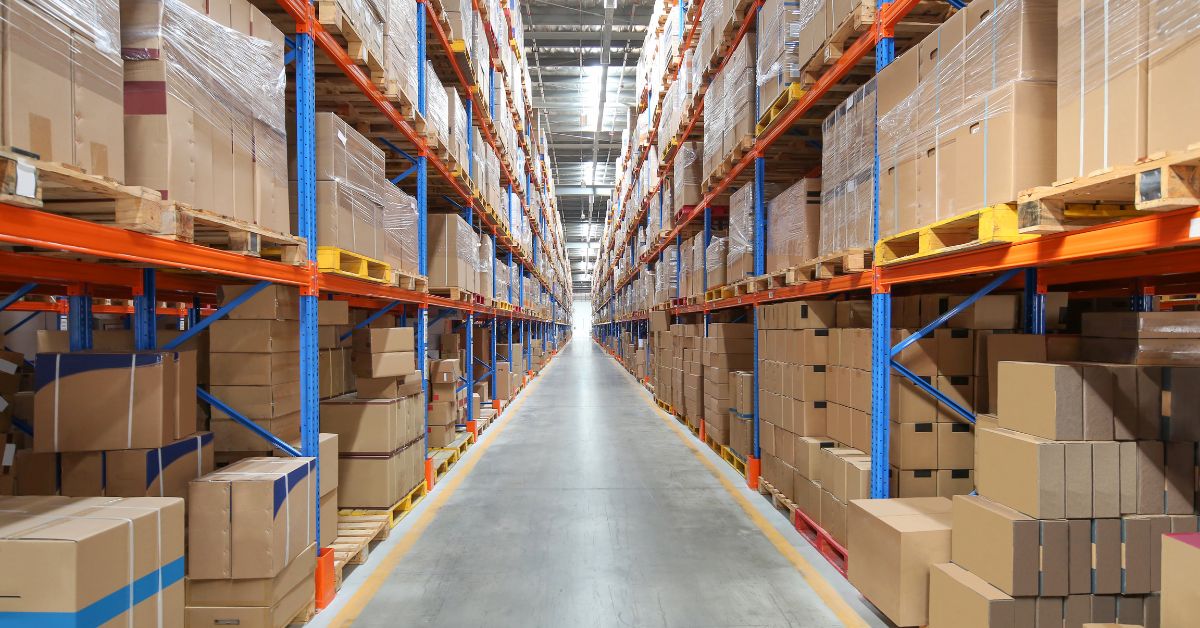
    Another strategy involves employing vertical storage solutions. By using high shelves or stacking pallets, you’re making the most out of limited floor space while keeping goods organised and accessible. Make sure though that these areas are secure and stable to prevent any accidents or damages caused by falling items.

    Remember that an organised workspace isn’t just visually pleasing—it’s profitable too! With a properly managed inventory system and strategic use of space, your staff will spend less time searching for products or dealing with damaged goods. They can devote more time to customer service leading to increased sales opportunities. So don’t overlook this aspect; instead consider it as an investment towards minimising losses effectively while boosting overall productivity within your retail business.

    Utilising Vertical Space for Storage

    Don’t let limited floor space cramp your style; by implementing vertical storage strategies, you’re taking your inventory management to new heights—literally! Vertical storage is a cost-effective way to maximise the space in your retail store and keep things organised. Instead of spreading out, spread up! Use tall shelving units, stackable bins, or even install mezzanine levels if your building structure allows it. This will not only help you store more products but also make them easily accessible.

    Remember to categorise and label everything efficiently when utilising vertical storage solutions. You don’t want to have a pile of boxes stacked high without knowing what’s inside each of them. Invest in good labelling tools and train your staff on how to use them properly. Additionally, ensure that all items are stored safely and securely to prevent any accidents or damage.

    Another point to consider is the use of specialised equipment like forklifts or ladder systems for high-level goods retrieval. While this might increase initial investment costs, it’ll save you time and effort in the long run as well as ensuring safety standards are met. It’s critical that any staff members who will be using this equipment receive appropriate training beforehand.

    There’s no need to feel overwhelmed by seasonal stock fluctuations anymore. By optimising vertical space within your retail business, you can effectively manage inventory while maintaining an orderly store environment. So why wait? Start looking at ways you could implement these strategies today—your bottom line might thank you!

    Making the Most of Off-Site Storage Facilities

    If you’re bursting at the seams with inventory, off-site facilities can be a real lifesaver. These storage spaces provide an additional room to store your seasonal items that may be taking up valuable space in your store. If your retail business is cluttered with merchandise from last season or stock for upcoming seasons, it’s high time you considered renting an off-site facility. Besides freeing up space within your premises, these facilities offer easy access to goods when needed and help keep things organised.

    When choosing the right facility for your needs, location should be key. You want a storage unit that’s conveniently located so you can quickly retrieve items as demand fluctuates during different seasons. That way, you’ll spend less time travelling back and forth every time something’s needed in the shop. Furthermore, ensure the facility has enough space to accommodate all of your seasonal inventory without cramming.

    Another vital aspect to consider while opting for an off-site storage facility is security. You wouldn’t want to risk losing valuable stock due to theft or damage caused by poor conditions like dampness or pest infestations. Therefore, go for a well-secured site with round-the-clock surveillance systems and proper environmental controls such as temperature regulation and humidity control.

    Remember, just because your goods are out of sight doesn’t mean they should be out of mind! Regularly check on them and maintain an updated inventory list – this will make it easier when restocking or rotating items between seasons. When used strategically, off-site storage facilities can prove invaluable in managing seasonal inventories effectively while ensuring smooth operations in your retail business throughout the year.

    Implementing a Reliable Inventory System

    You’re on the verge of a major breakthrough, right at the cusp of taking control back from that chaotic inventory management nightmare you’ve been wrestling with. The key to regaining control over this beast is implementing a reliable inventory system. It’s not just about knowing what’s in stock; it’s about understanding when to reorder, predicting sales patterns, and being prepared for the seasonal demand swings that can make or break your business. With the right software and processes in place, you’ll be able to manage and track every product from arrival to sale – ensuring nothing gets lost in the shuffle.

    So where do you start? First off, do some research into different inventory systems available on the market. These range from simple spreadsheet-based solutions to sophisticated cloud-based platforms equipped with artificial intelligence capabilities. You’ll want to consider factors like cost, scalability, ease-of-use, integration with other systems (like your POS), as well as specific features relevant to your industry. Remember, there’s no one-size-fits-all solution – so take your time and select one that best meets your unique needs.

    Once you’ve selected an appropriate system, it’s time for implementation – but don’t rush this process! Start by setting up accurate product information within your chosen system: descriptions, SKUs (stock keeping units), purchase prices etc., followed by conducting an exhaustive physical count of all merchandise. This will serve as a benchmark for future counts and help keep any discrepancies under check. Next comes training your staff on how to use the new system effectively – regular workshops can ensure they stay updated with any changes or updates.

    Armed with a robust inventory management system at hand now—you’re finally ready to face those peak seasonal periods head-on! Your products are tracked in real-time; low-stock alerts prevent potential outages before they occur; past sales data helps predict future trends—allowing timely procurement decisions; and efficient organisation means less wasted time searching for items. You’ll not only reduce losses and improve customer satisfaction, but also obtain valuable insights into your business operations. So here’s to no more inventory nightmares—just smooth sailing from here on out!

    Tips for Ensuring Product Availability

    Keeping your products readily available can feel like a juggling act, but with some savvy strategies, it’s a breeze to ensure your customers always find what they’re looking for. The first step is understanding your customer’s buying patterns. This involves tracking when and why certain items sell more than others. For example, if you run a clothing store, you might notice an increase in swimsuits sales during summer months. By keeping track of these trends, you can better predict when to stock specific items.

    Next up is staying on top of inventory counts. You’ve got to know exactly how much product you have on hand at any given time – this will help prevent overstocking or understocking issues that could cause unwanted losses or customer dissatisfaction. A reliable inventory management system can be invaluable here; it’ll alert you when stocks are running low so you can replenish them before they completely run out.

    Another crucial tip is establishing strong relationships with suppliers. Having trust and open communication with your suppliers means they’re more likely to support you during peak seasons by ensuring timely delivery of products or even providing additional stock in case of unexpected demand surges. Also, consider having backup suppliers for popular items as a safety net against potential supply-chain disruptions.

    Remember, there’s no one-size-fits-all strategy for maintaining product availability – every retail business has unique needs and challenges. However, by understanding customer buying patterns, diligently managing inventory levels and fostering strong supplier relationships, you’re setting yourself up for success. Your customers will thank you for always having their favourites in stock!

    The Role of Storage in Boosting Your Bottom Line

    Don’t underestimate the power of a well-organised stockroom – it’s a hidden treasure trove that can seriously boost your profits and keep your customers coming back for more. Effective storage solutions aren’t just about keeping your products safe and secure; they’re about maximising efficiency, decreasing waste, and enhancing customer satisfaction. When you have everything in its place, you can easily track what’s selling and what isn’t, which allows you to make informed decisions on how to manage your inventory.

    Another way that good storage practices can improve your bottom line is by reducing the time spent on restocking shelves. If your employees are able to quickly locate and retrieve items from the stockroom because of an efficient layout or labelling system, they’ll be spending less time in the back room and more time helping customers on the shop floor. That means improved customer service and potentially increased sales as well.

    Adequate seasonal storage also reduces damages and loss due to mishandling or neglect. By ensuring that all items are properly stored during their off-seasons, you protect them from damage caused by weather changes or overcrowding. This reduction in shrinkage directly contributes towards increasing profits since you won’t need to mark down damaged goods or write them off entirely.

    So remember this: a robust storage strategy does more than just house your merchandise – it serves as an essential tool for boosting profitability while simultaneously improving customer experience. The better organised your stockroom is, the easier it will be for staff members to find what they need quickly – leading not only to happier workers but also satisfied customers who will appreciate speedy service. And when these elements come together perfectly? You’ve got yourself a recipe for retail success!

    Case Study: Successful Storage Strategies in Retail Operations

    Let’s take a look at how implementing successful organisation practices can transform the efficiency and profitability of your operations, drawing from real-life success stories. One such example is IKEA, a multinational retail giant known for its flat-pack furniture. By utilising an effective warehouse management system that includes seasonal storage solutions, they’ve managed to significantly reduce overhead costs and increase profit margins. Their strategy involves storing high-demand items in easily accessible locations during peak seasons while stowing away low-demand items.

    In another instance, Walmart successfully employs a cross-docking technique in their supply chain process. Goods are directly transferred from incoming trucks to outgoing ones with minimal storage in between – reducing the need for extensive warehousing space and cutting down on storage costs significantly. This strategic manoeuvring of goods has enabled them to maintain lower prices than competitors while still attaining high-profit margins.

    Another noteworthy case is that of Zara, a fast-fashion retailer renowned for its swift turnaround times. Rather than holding large quantities of each product in stock, Zara uses data analytics to forecast demand accurately and adjusts its production accordingly. This ‘just-in-time’ approach minimises the need for expansive storage facilities and prevents unsold inventory pile-up – ultimately leading to more substantial profits.

    All these examples show how smart storage strategies can be employed based on your business needs – whether it’s efficiently managing vast inventories like IKEA or minimising warehousing needs through cross-docking like Walmart or adopting just-in-time practices like Zara. Remember that choosing the right strategy isn’t just about solving immediate challenges; it’s also about positioning your retail business for long-term financial success by optimising operations and maximising profitability.

    Conclusion

    You’ve made it! You now have a better understanding of how effective storage can transform your retail business. It’s not just about maximising space, but also avoiding clutter, minimising losses, and boosting your bottom line.

    Don’t forget to implement a reliable inventory system and ensure product availability for your customers. Remember, success in retail isn’t just about having great products—it’s also about managing them well. So go ahead, apply these storage strategies and watch your business thrive!

  • Protecting Your Investment: Insurance And Self-Storage Units.

    Protecting Your Investment: Insurance And Self-Storage Units.

    You’ve taken the time to carefully pack and securely store your precious belongings in a self-storage unit. Now, you’re probably thinking that your valuables are safe and protected from any kind of harm or damage. But hold on a second – have you thought about what would happen if an unexpected incident occurred at the storage facility? Are your items insured against potential risks like theft, fire, or natural disasters?

    You might be under the impression that your homeowner’s or renter’s insurance covers stored goods too. However, this is often not the case and even when it is, there can be limitations.

    This article will help you understand how to best protect your investment by exploring insurance options for self-storage units. You’ll learn about potential risks, evaluate the value of items in storage, choose appropriate coverage, and handle situations such as natural disasters or thefts. In short, we’ll guide you through everything necessary to ensure peace of mind when storing valuable possessions away from home.

    Understanding the Basics of Storage Unit Insurance

    You might be wondering, ‘What’s the big deal about storage unit insurance?’ Well, let’s dive right into the basics to help you protect your valuables. When you rent a storage unit, it’s not just an empty space; it holds your valuable possessions which could include furniture, electronics or sentimental items. However, what happens if a natural disaster strikes and damages everything in your unit? Or if there is a break-in and thieves make off with your belongings? This is where storage unit insurance comes into play.

    Think of storage unit insurance as a safety net for your stored items. It’s coverage that can reimburse you for damages or losses due to events like fires, storms, vandalism, and burglaries. Just like home or car insurance protects those assets from unpredictable circumstances, so does storage unit insurance protect your belongings tucked away in that rented space.

    It’s crucial to understand that while some self-storage companies may offer basic coverage included in their services, this isn’t always the case.

    Let’s talk about how these policies work. Typically when purchasing a storage unit insurance policy there are different levels of coverage based on the value of items you’re storing. You choose a coverage limit (the maximum amount the insurer will pay for loss), and then pay a monthly premium based on this limit and other factors like location risks etc..

    If an unfortunate event occurs causing damage or loss to your stored items, you then file a claim with the insurer who evaluates it and pays out accordingly.

    So remember – don’t leave things up to chance! Storage units are ideal for decluttering homes or storing precious belongings but they aren’t immune from accidents or incidents that could result in loss or damage. Having an understanding of how important storage unit insurance is essential before renting one out because after all – it’s not just “stuff”- these are YOUR valued possessions we’re talking about here!

    Identifying Potential Risks in Storage Facilities

    In order to safeguard your belongings, it’s crucial to identify potential hazards in storage facilities. These risks can range from environmental factors like humidity and temperature fluctuations to security issues such as vandalism or theft. For example, if you’re storing sensitive items like electronics or artwork, a facility without climate control could potentially expose these items to damaging conditions. Similarly, a facility with lax security measures might leave your unit vulnerable to break-ins.

    Another risk factor is the possibility of natural disasters. Depending on the geographical location of your storage unit, there may be an increased risk of flood damage, earthquakes or even hurricanes. That’s why it’s important that you research any history of such occurrences in the area before choosing your storage unit company. Also consider whether the storage facility has plans in place for such eventualities – do they have robust infrastructure that can withstand these natural events?

    You also need to assess the condition and maintenance level of the storage units themselves. Are they well-kept? Watch out for signs of disrepair – things like leaking roofs or rusty locks could signal neglect which might lead to problems down the line. Check for signs of pests too; rodents and insects can cause severe damage over time.

    Don’t let this information scare you; instead use it as a guide when selecting a self-storage facility. Remember that understanding these risks is just part of protecting your investment – insurance is another essential component. By knowing what threats exist and insuring against them appropriately, you’re adding an extra layer of protection for your valuable possessions stored away from home.

    The Limitations of Homeowner’s or Renter’s Insurance

    While it’s often believed that homeowner’s or renter’s policies cover all of our possessions, they come with their own set of limitations. Many people assume their home insurance will automatically cover items placed in self-storage units. However, this is not always the case.

    The typical home insurance or renter’s policy often covers personal property stored off-site, but usually only a percentage (about 10%) of your total coverage limit applies to these belongings. This means if you have R100,000 worth of personal property coverage on your homeowners policy and you move R20,000 worth into a storage unit, only R10,000 (or 10% of your total coverage) would be covered by your policy.

    Additionally, most standard homeowner’s or renter’s insurance policies do not provide comprehensive protection for stored items. There are specific events such as flooding and earthquakes which are generally excluded from these policies. If the area where your self-storage facility is located is prone to these types of natural disasters, then you’re potentially exposing yourself to significant financial risk without adequate coverage.

    Another limitation comes in the form of deductibles and depreciation value. Remember that any claim made against your home or renters insurance policy comes with a deductible – an amount you must pay out-of-pocket before your insurer will contribute anything towards the loss. Furthermore, many policies pay claims based on depreciated (actual cash) value rather than replacement cost value for items stored off-premises. This means that if some high-value objects in storage were damaged or stolen, the payout may not fully cover the cost to replace them.

    Therefore it’s crucial to recognize these limitations when relying solely on homeowners’ or renters’ insurance for protecting goods stored away from home. If you find that this type of insurance doesn’t offer sufficient protection for your valuables housed in a storage unit – especially considering potential risks like natural disasters and theft – consider taking out additional specialised self-storage insurance. This could provide the comprehensive coverage you need, giving you peace of mind and ensuring that your investment remains well-protected.

    Evaluating the Value of Items in Storage

    Determining the worth of your stashed away treasures can be a bit like diving into a treasure chest – each item holds its own unique backstory and monetary value. But, when it comes to insurance, sentimental value is irrelevant. It’s all about cold hard cash. So, before you start packing up your unit with items from Grandma’s vintage china set to that first edition Catcher in the Rye book, you need to determine their current market value.

    Now you’re probably wondering how exactly you go about doing this. The answer lies in appraisals and research. For high-value items such as jewellery or antiques, consider getting an appraisal from a certified professional who can provide an accurate valuation based on condition and rarity. This could cost some money but remember it’s better to know the real price than guessing and then finding out later that your precious belongings weren’t covered enough by the insurance.

    For lower-cost possessions or items that are difficult to appraise due to their uniqueness, online research may be your best bet. Websites like eBay or Craigslist can offer insight into what similar items are selling for across various markets. Remember, it’s not what you paid for an item years ago that counts; it’s what someone will pay for it today!

    Just keep in mind that while this process might seem tedious and time-consuming at first glance, knowing the true value of your stored goods is crucial when purchasing self-storage insurance. That way, if anything unfortunate happens – whether it be theft or damage – you’ll have peace of mind knowing your investment is properly protected! And isn’t peace of mind one of the greatest treasures after all?

    Choosing the Right Insurance Coverage

    So, you’ve got a handle on the worth of your stashed treasures, but how do you ensure they’re adequately covered should disaster strike? Choosing the right insurance coverage for your self-storage unit is crucial. It’s not just about picking any policy; it’s about understanding what that policy covers and deciding if it meets your needs.

    The first step is to check with your current homeowner’s or renter’s insurance provider. Often, these policies will cover items stored off-site. However, there might be limits to this coverage, so it’s essential to clarify what those are.

    The second thing you’ll want to consider is whether or not supplemental insurance provided by the storage facility itself would be beneficial for you. Storage facilities often offer their own insurance plans that can provide additional protection above and beyond what your homeowners’ or renters’ policy might cover. Remember though, these in-house policies may only cover certain types of damage like fires and burglaries, but not others such as floods or earthquakes – make sure you know precisely what’s included.

    Thirdly, evaluate the deductible in relation to the value of your items. If you have high-value items stored in your unit and a low deductible on your insurance plan, then filing a claim could potentially save you money in case of loss or damage. Conversely, if the value of your belongings isn’t all that high compared with the deductible, it might not be worth paying for additional coverage at all.

    Choosing an appropriate level of insurance requires some insight into both monetary value and sentimental worth.

    You need to balance cost against potential loss when figuring out which policy suits best for protecting your investment in self-storage units. Keep an open line with both home insurer and storage facility reps – ask questions until every detail meets clarity levels matching crystal waters! Always remember: safekeeping goes beyond locks – wise choice of insurance is also part of securing precious possessions.

    Common Terms and Conditions in Insurance Policies

    It’s crucial to understand the nitty-gritty details often hidden in the fine print of insurance policies. This is particularly true when it comes to insurance for self-storage units, where your possessions may be out of sight but should never be out of mind. Insurance jargon might seem intimidating at first, but once you get a handle on some common terms and conditions, you’ll feel more confident about protecting your investment.

    The first term you’re likely to encounter is ‘actual cash value’ (ACV). This means that if something happens to your stored items—say, they’re damaged or stolen—the insurance company will reimburse you for their current market value.

    That’s not necessarily what you paid for them originally; it takes into account depreciation over time. On the other hand, there’s ‘replacement cost coverage’, which pays out what it would cost to replace your items with new equivalents today—usually a higher amount than ACV.

    Next up is ‘deductible’. This is the amount that you’ll need to pay out-of-pocket before the insurer starts covering costs. For instance, if your policy has a R500 deductible and you file a claim for R2000 worth of lost or damaged goods, the insurance company would pay R1500 while you’d cover the remaining R500. It’s important to choose a deductible that fits within your budget.

    Lastly, keep an eye out for coverage limits too. These are maximum amounts that an insurer will pay out for certain categories of items. For example, electronics might have a limit set at R1000 even if their replacement cost exceeds this cap.

    It’s essential to review these limits carefully and consider whether they provide enough protection for all your stored property. In case they don’t meet your needs adequately, speak with your provider about adjusting them—it may mean slightly higher premiums but can offer invaluable peace of mind knowing that all your belongings are fully protected.

    Dealing with Natural Disasters and Storage Units

    When life throws a curveball in the form of natural disasters, having a game plan for your stored items can make all the difference. Suppose you’re using a self-storage unit to keep some of your valuable belongings safe. In that case, it’s crucial to consider how these items would fare against floods, hurricanes, earthquakes, or other acts of nature.

    Most storage facilities will have certain safeguards in place against these events – from structurally sound buildings designed to withstand harsh weather conditions to on-site security measures that can help mitigate damage. But remember, even with these preventative measures in place, they may not be foolproof.

    So what should you do? Well firstly, check your insurance coverage. It’s important to know exactly what your policy covers when it comes to natural disasters. Some policies might automatically cover certain types of disasters but exclude others unless you take out additional coverage. For instance, many standard policies don’t include flood protection – something that could be vital depending on where your storage facility is located.

    Secondly, consider investing in disaster-proof containers for storing particularly precious or vulnerable items within the unit itself. These could include waterproof cases for documents or electronics and sturdier boxes for fragile items which could break if there was an earthquake. Remember also that placing valuable items higher up can protect them from potential flooding.

    Lastly but importantly is communication with your storage facility management team after a disaster has struck. They’ll likely give you information about access restrictions due to safety concerns and inform you about any notable damages incurred by the facility during the event. This way, you can act swiftly and appropriately depending upon how severe the situation is at hand – whether that means filing an insurance claim right away or simply checking on your possessions as soon as it’s safe to do so.

    Theft Protection for Stored Items

    Now, let’s tackle another critical issue – keeping your treasured items safe from theft while they’re stashed away. When it comes to protecting your belongings, you can’t be too careful. The reality is that storage units, just like homes or cars, can become targets for thieves. It’s essential to take proactive steps to reduce the risk of theft in your self-storage unit and ensure that your investment is well-protected.

    One of the primary ways you can protect your stored items from theft is by choosing a secure facility with robust security measures in place. Look for features such as 24/7 surveillance cameras, individual unit alarms, strong locks and limited access hours. These aspects make it harder for potential thieves to gain access and get away unnoticed. Additionally, consider using sturdy padlocks on your unit; these are much more difficult for burglars to cut compared to standard ones.

    Additionally, proper insurance coverage is pivotal when it comes to guarding against theft. While many storage facilities offer some form of insurance, this may not cover all types of losses or might have lower limits than what’s necessary for high-value items you’re storing. Therefore, check if the policy covers theft and what the deductible will be should something happen. If their coverage isn’t sufficient or doesn’t include protection against burglary specifically, look into getting a separate insurance policy that does.

    Remember that prevention plays a significant role when warding off potential intruders from your storage unit. Don’t advertise valuable items by leaving them out in plain sight whenever you visit the facility; instead keep them hidden deep within your unit amongst less appealing goods where they’d be harder to find quickly.

    With all these precautions in place – diligent selection of a secure facility with stringent safety measures combined with solid insurance coverage – rest assured knowing you’ve done everything possible to safeguard those precious belongings entrusted into self-storage care against any eventuality including theft.

    Filing an Insurance Claim for Storage Unit Damage

    Now that we’ve explored the importance of securing your stored items against theft, let’s shift our focus to a situation none of us want to encounter – dealing with damage to your storage unit. In such unfortunate circumstances, knowing how to properly file an insurance claim can make all the difference for protecting your investment.

    First off, it’s crucial you understand what your insurance policy covers before any incident occurs. Depending on the specifics of your policy, coverage may extend not only to theft but also to damage from fire, water leaks or floods, pests and other unforeseen incidents. Always thoroughly review your policy’s terms and conditions so you’re not caught off guard when disaster strikes.

    In case of any damage or loss in your storage unit, act promptly. Document everything meticulously; take photographs or videos showing the extent of the damage as soon as possible after discovering it. This visual evidence will help strengthen your claim significantly. Similarly essential is keeping a detailed inventory of what was stored in the unit along with their approximate values – this should ideally be done at the time of storing which could save you a lot of trouble later.

    It might seem like a daunting task initially but filing an insurance claim involves compiling these documents and presenting them alongside a formal written notice detailing what happened and requesting reimbursement for losses incurred due to said event.

    Remember that patience is key here as processing claims can take some time depending upon various factors including nature & extent of damage and completeness & accuracy of provided documentation among others. So while it’s important you do everything correctly on your end, prepare yourself for some waiting around too!

    Benefits of Insured Storage Facilities

    Isn’t it reassuring to know that insured storage facilities offer peace of mind by covering potential losses? When you choose an insured facility, you’re not just getting a place to store your items. You’re also obtaining a safety net in case something unexpected happens. This could be anything from natural disasters like floods or earthquakes to man-made incidents such as theft or vandalism. Having insurance is like having a back-up plan—it’s the assurance that even if things go wrong, you won’t be left high and dry.

    Another significant benefit of insured storage facilities is their effect on your financial stability. Imagine losing your stored belongings due to unforeseen circumstances without any insurance coverage—it would mean bearing the full cost of replacement yourself.

    That can put quite the dent in your wallet! However, with an insurance policy, most—if not all—of this cost will be covered for you. It’s a smart way to safeguard against potential financial turmoil.

    Thirdly, opting for an insured facility often signifies high quality and professionalism. These places typically maintain strict security measures and uphold top-notch standards because they are under the scrutiny of insurance companies’ criteria and requirements.

    They usually have robust surveillance systems, secure locks, well-lit premises, and sometimes even onsite personnel for added protection. This means that your belongings aren’t just insured—they’re also being kept in a highly secure environment.

    And let’s not forget about the convenience factor! With so much on our plates these days, who has time to worry about extra stuff? When your items are at an insured storage facility, there’s one less thing for you to stress over since they’re protected should disaster strike—you don’t have to spend sleepless nights fearing potential loss or damage anymore! So why not save yourself some worry and consider investing in an insured self-storage unit? It’s more than just space—it’s peace of mind too!

    Conclusion

    In conclusion, you’ve learned the importance of ensuring your items are stored in self-storage units. You’re now aware of the potential risks, limitations of homeowner’s or renter’s insurance, and how to evaluate the value of your items.

    Remember to carefully choose the right insurance coverage for your specific needs. Dealing with natural disasters and theft can be less stressful when you have a good policy in place. Ensuring your storage facility is insured offers an extra layer of protection that can give you peace of mind.

  • Inventory Management Made Easy: Using Self-Storage For Stock Overflow

    Inventory Management Made Easy: Using Self-Storage For Stock Overflow

    You’re running a business, and things are going well – so well that your stock is piling up faster than you can say “inventory management“. Suddenly, it’s not just about keeping track of what comes in and goes out. Now, you’ve got to figure out where to put everything. It may seem daunting at first glance but don’t worry – there’s a simple solution for your storage stress: self-storage.

    Self-storage isn’t just for those who are moving or have too much junk at home. It’s an overlooked solution that can help businesses manage their extra stock efficiently. So whether you’re dealing with seasonal overflow or permanent growth, this article will guide you through the ins and outs of managing your inventory using self-storage. From understanding the basics of stock control to organising your items for storage, we’ve got all the tips to make sure your goods are safe, organised and easily accessible.

    Understanding the Basics of Stock Control

    Storage Facility With Boxes

    You’ll feel a wave of relief once you grasp the basics of stock control, as it’s the key to preventing stack overflow and keeping your business running smoothly. Managing your inventory is not just about having enough items on hand to meet customer demand. It’s also about avoiding overstocking that can lead to a surplus, which subsequently occupies valuable space and ties up your capital. Understanding how much stock you need at any given time involves accurately forecasting demand, closely monitoring sales trends, and being aware of lead times for restocking.

    As part of effective inventory management, it’s essential to establish a systematic approach for tracking your goods. This could involve using barcode systems or investing in advanced inventory control software that allows real-time tracking. By doing so, you’re not just ensuring efficient operations but also reducing the risk of human errors that can result in discrepancies between actual and recorded stocks.

    Another integral aspect of managing stock overflow is understanding when to use self-storage units effectively. These units come in handy when there’s an unexpected surge in demand or during peak seasons when higher volumes are anticipated. Using self-storage units allows you to free up space within your primary storage area without having to worry about secure storage facilities for excess stock.

    So with these insights into basic stock control techniques – from accurately predicting demand and monitoring sales trends, employing systematic ways for tracking goods such as barcode systems or advanced software solutions; and knowing how best to utilise self-storage units – you’re well aware now how important it is for preventing overflow problems and maintaining smooth business operations. Remember this isn’t simply about storing products but more importantly making strategic decisions that directly impact profitability and efficiency levels in your business venture.

    Identifying the Need for Extra Space

    Feeling suffocated by the mountains of merchandise in your workspace can be a clear sign that it’s time to consider additional space for all those extras. You’re trying to run a business, and you simply don’t have room for everything anymore. The stock is piled high in every corner, making navigation difficult and productivity low. Frustration builds as you try to locate specific items amongst the chaos, wasting valuable time that could be better spent elsewhere.

    Let’s face it – clutter is bad for business. It’s not just about aesthetics either; there are also practical implications to consider. When your inventory takes up too much space, it becomes harder to manage and keep track of everything. You may find yourself dealing with misplaced goods, inaccurate stock counts, or even damaged items due to improper storage conditions. This lack of control can lead to missed sales opportunities and dissatisfied customers.

    That’s where self-storage comes into play. Renting out a self-storage unit can provide much-needed relief from the cramped confines of your current workspace. Think about it – a dedicated space where you can organise your overflow stock neatly and securely without disrupting your primary operations sounds like heaven! Not only does this help streamline your inventory management process but also enhances operational efficiency.

    So how do you know when it’s time? Listen to what your workspace is telling you! If it feels more like an obstacle course than an office or storehouse, if you’re losing precious hours searching for products or if customer satisfaction is dipping due to delayed deliveries – these are all telltale signs that extra storage space might just be what your business needs right now! Take action before things get out of hand; after all, managing your inventory should never feel like navigating through a minefield!

    Benefits of External Storage Options

    Beyond the sheer relief of decluttering your workspace, there’s a whole host of advantages that external storage solutions can bring to your business. Imagine increasing your available space without the hefty price tag attached to commercial real estate expansions. Having an off-site storage unit allows you to keep non-essential items out of sight, creating a more organised and efficient workplace. It’s not just about storing excess stock either – you can also use these facilities for holding promotional materials, office supplies or archived paperwork.

    Another major benefit is cost-effectiveness. Compared to the costs associated with expanding your premises or moving to a larger location, renting a self-storage unit is far cheaper and more flexible. You’re not locked into long-term contracts; you can rent additional units or downsize as needed based on seasonal fluctuations in inventory levels. This effectively reduces overheads while giving you the freedom to adapt as circumstances change.

    Furthermore, self-storage facilities typically offer robust security measures that may be superior to what your current location provides. 24/7 surveillance cameras, individual alarm systems on each unit, controlled access gates – all these features ensure that your goods are well protected from theft or damage. It’s like having a dedicated security team watching over your inventory around the clock.

    As we’ve seen, employing self-storage for inventory management isn’t just practical—it’s strategic too! Not only does it address immediate space concerns but it also enables greater financial flexibility and improved asset protection. The ability to effectively manage and control stack overflow could very well be a gamechanger in terms of operational efficiency and profitability for your business!

    Choosing the Right Storage Facility

    When it’s time to select the perfect storage facility for your business needs, imagine stepping into a space that’s clean, well-lit and secure. The aisles are wide enough to navigate easily with large items and there’s a loading dock that simplifies moving inventory in or out. This is what you should be looking for when choosing a self-storage facility for your stock overflow. But cleanliness, good lighting and security are not the only considerations.

    The size of the units available is crucial too. You want to ensure you’ve got enough room to store all of your excess inventory, but not so much space that you’re paying for areas you aren’t using. It’s also important to consider whether the facility offers climate-controlled units if you have items that could be damaged by extreme temperatures or humidity.

    Location is another key factor. If possible, choose a storage facility near your main place of business so it’s convenient for you or your staff to access as needed. Time spent travelling back and forth can add up quickly and affect productivity negatively. Also look into the hours of operation – 24/7 access might make sense depending on your usage requirements.

    Take time out to do a thorough research before settling on any storage facility; after all this isn’t just about storing stuff away but ensuring they remain safe until they’re needed again! Check reviews online from other businesses who’ve used their services before – these can often provide valuable insights into what it’s like working with them day-to-day! Remember, making sure that everything from location, security level right down to cleanliness checks all boxes will bring peace-of-mind knowing that your overstocked items are kept safely tucked away yet within easy reach whenever required!

    Organising Your Items for Storage

    It’s not just about stowing your items away, it’s about organising them in a way that makes accessing what you need simpler and more efficient. When preparing your inventory for storage, start by creating an inventory list. This should include the quantity of each item, where they are located in the storage unit, and any important details about the condition or specifics of the products. Not only will this help you keep track of what is in your storage unit, but it will also make it easier to find specific items when you need them.

    Next up is packing. Always remember to pack heavier items at the bottom and lighter ones on top to avoid damage. Use sturdy boxes and crates for fragile items and consider bubble wrap or other protective materials to prevent breakage during transport or while in storage. Label each box clearly with its contents so you can easily locate things when needed.

    To maximise space efficiency in your self-storage unit, think vertically! Take advantage of shelving units if available or consider investing in stackable containers. This way, not only do you create more room for additional items but also ensure easy access without having to move too many things around when trying to locate a particular item.

    With careful organisation and thoughtful packing techniques, managing overflow stock using self-storage doesn’t have to be a daunting task. It’s all about having a system that works for you – one that keeps everything accessible and safe while maximising available space effectively. Remember these tips as they’ll save you time and reduce stress levels next time you’re dealing with surplus inventory!

    Effective Stock Rotation in Storage

    Rotating your goods in storage effectively is like conducting a well-orchestrated dance, ensuring every item gets its turn in the spotlight while also maintaining the harmony of the whole. It’s about juggling items to keep everything fresh and accessible, particularly if you’re dealing with perishable goods or products with a limited shelf life. The first step towards an effective rotation strategy is coming up with a system that works for you – it could be something as simple as a “first-in, first-out” approach. This means that whatever stock comes into your storage unit first should be the first to leave.

    Your second step should be establishing clear labeling and recording procedures. Labels are vital for easy identification of what’s inside each box or package without having to open them all up every time you need something. This not only saves time but also reduces potential damage from constant handling of items. In addition to labels, maintain a detailed inventory list noting down when each item entered the storage unit and when it’s due out.

    A third crucial aspect of effective stock rotation is regular checking and reorganising of your self-storage unit. It might seem tedious but frequent visits will help you identify any issues early on such as expired products or damages due to improper packaging or storing conditions. Furthermore, this enables you to keep track of any discrepancies between your physical stock and what’s recorded in your inventory list.

    Getting into these habits can take some effort at first but it pays off immensely over time by reducing waste, preventing losses from expired goods, making accessing items easier, and streamlining operations overall. And remember; successful inventory management isn’t just about storing stuff away – it’s about knowing exactly where everything is at all times so nothing slips through the cracks!

    Implementing a Storage Inventory System

    Implementing an effective system for tracking what’s stashed away in your storage unit doesn’t have to be a headache. With some careful planning and strategic organisation, you can create an inventory system that makes it easy to keep track of your stock overflow. Begin by categorising items based on characteristics such as product type, condition or seasonality. This can help you quickly identify where specific items are stored when needed.

    For the second step, consider using technology to simplify the process further. There are numerous inventory management apps that allow you to log each item as it goes into storage and remove it from the inventory once it’s sold or used. Some even offer features like barcode scanning for quick entry and removal of items, making maintaining your storage inventory a breeze.

    The third element is labelling. This simple yet crucial step cannot be overstated for its effectiveness in managing storage units effectively. Use clear, readable labels on all boxes, shelves or pallets with details about the content within them. If you’ve already categorised items and logged them digitally, this process will be much easier since you’ll just need to match physical labels with digital ones.

    Lastly, remember consistency is key in maintaining an efficient inventory system for your self-storage unit(s). Regular audits of your stored goods ensure no discrepancies arise between what’s physically present and what’s listed in your digital records. Whether weekly, monthly or quarterly – decide on a schedule that works best for your business needs without overtaxing resources or time constraints. This way, you’ll always have accurate knowledge about which stock is available at any given moment – making managing overflow inventories less stressful and more successful!

    Ensuring Security for Stored Goods

    You’ve got your goods neatly organised and inventoried, but are you sure they’re secure in their storage unit? Security is an essential aspect of inventory management that can’t be overlooked. When using a self-storage facility for stock overflow, it’s crucial to choose a location with robust security measures in place. Look for facilities with features like 24/7 video surveillance, coded access gates, individual alarm systems for each unit, and on-site staff during business hours.

    When selecting your storage unit, don’t just consider the physical security features; also think about environmental controls. A secure storage space isn’t simply one that keeps thieves out—it should also protect your inventory from damage due to extreme temperatures or moisture. Climate-controlled units can help prevent damage to sensitive items like electronics or perishable goods.

    Another critical aspect of ensuring the security of stored goods involves having adequate insurance coverage. While many self-storage facilities offer some form of insurance, this may not cover the full value of your stock. Therefore, it’s worth checking whether your business insurance policy covers items stored offsite or considering additional coverage if necessary.

    Remember that while implementing stringent security measures might seem costly upfront, these steps will prove invaluable if they prevent theft or damage to your valuable inventory. Make certain that every effort is made to safeguard what is essentially the lifeblood of your business – its products or raw materials. So keep exploring all available options until you find a solution that provides peace-of-mind security without breaking the bank!

    Cost Analysis of Self-Storage

    Now that we’ve covered how to ensure the safety and security of your inventory in self-storage, let’s shift our focus to another crucial aspect: the cost. You might be wondering if using self-storage for stock overflow is a financially viable option for your company. Let’s delve into this and break down the costs associated with self-storage.

    The first thing you’ll want to consider is the rental cost of the storage unit itself. These costs can vary widely depending on the size of the unit and location. However, by comparing prices from different providers, you can find affordable options that suit your budget needs. Remember, it’s not just about finding a cheap space; it’s about finding a space that gives you value for your money while ensuring convenience and security.

    Another factor to consider is insurance coverage. While some self-storage facilities may provide basic coverage as part of their service package, others might require you to purchase additional insurance separately. It’s important to factor this into your overall budget plan because protecting your goods should be a non-negotiable aspect of inventory management.

    You must also account for transportation costs involved in moving goods back and forth from storage. Depending on how frequently you access your stored inventory, these costs can add up over time. By organising efficient shipping schedules or partnering with local courier services, however, these expenses can be minimised effectively without compromising operational efficiency or customer satisfaction levels.

    Reviewing and Improving Your Storage Strategy

    So, you’ve crunched the numbers and ironed out the logistics, but how can you be sure your storage strategy is truly up to par? It’s not just about finding a suitable self-storage facility and moving your stock overflow there. You need to regularly review and improve your storage strategy to ensure it remains effective and efficient. This involves assessing both the physical organisation of your items in storage as well as the management systems you’ve put in place.

    Start by physically examining your inventory. Are items easy to find and retrieve? Is there enough space for new stock? If not, it may be time to rethink how things are arranged. Consider using shelving units or stacking crates to maximise space vertically. You could also categorise items according to demand, keeping high-demand items closer for easier access.

    Next let’s look at management systems – a key element in any successful inventory management strategy. Are you using an Inventory Management System (IMS) or relying on manual records? An IMS can significantly simplify tracking and managing inventory levels, saving you time while reducing potential errors from manual data entry. If cost is a concern, don’t fret! There are plenty of affordable options available that cater specifically towards small businesses.

    Maintaining an organised storage unit isn’t just about neatly stacked boxes; it’s about having clear procedures for adding new stock, removing sold items, handling returns and so on. Having such protocols will help minimise confusion among staff members while increasing overall efficiency within your business operations. And remember – making small adjustments now can lead to massive improvements down the line!

    Conclusion

    In conclusion, you’ve seen how utilising self-storage for your stock overflow can simplify your inventory management. It’s cost-effective, secure, and provides that much-needed extra space.

    Always remember to routinely review and improve your storage strategy. This way, you’ll continually optimise your business operations and ensure everything runs smoothly. Your inventory management just got easier with self-storage!

  • How To Pack Furniture In A Storage Unit

    How To Pack Furniture In A Storage Unit

    You’ve finally decided to declutter, but you’re not ready to part with your furniture. Smart move! Storing it can be a great solution. But how do you go about packing and storing it efficiently without damaging anything? Don’t worry, we’ve got you covered. In this article, we’ll guide you through the process step by step, ensuring your pieces remain in top condition while tucked away. So roll up your sleeves – let’s get started!

    Understanding the Basics of Furniture Storage

    Before we dive in, it’s crucial to understand the basics of furniture storage to make the most out of your storage unit. Imagine you’re playing a game of Tetris, but instead of digital blocks, you’ve got sofas, tables and chairs. It’s not as easy as dumping everything inside and closing the door; there’s an art to it.

    Firstly, you need to evaluate what you are storing. Not all furniture is created equal. You’ve got wooden pieces that can warp or crack under certain conditions and upholstered items that may be susceptible to mould if humidity isn’t managed properly. So before anything else, take stock of what needs storing.

    Secondly, protection is key here. You wouldn’t want your beautiful antique dresser getting scuffed up or that expensive leather couch discoloured because they weren’t adequately covered. Invest in quality furniture covers or use old blankets and sheets for protection against dust and scratches.

    Lastly, consider how often you’ll access these items while they’re stored away. If there’s something you’ll need regularly like files from a cabinet or clothes off-season – place them closer to the front for easy access.

    Remember also that space is money when renting a storage unit so utilise it wisely! Think vertically – stack lighter items on top of heavier ones but don’t overdo it! Stability is important too; no one wants an avalanche when opening their unit!

    Now armed with these basics about furniture storage let’s get packing in our next discussion!

    Essential Packing Materials for Furniture Storage

    You’ll need to gather some essential materials for wrapping and protecting your items, such as bubble wrap, moving blankets, and sturdy boxes. These materials will serve as the first line of defence against potential damage during transit or storage.

    Bubble wrap provides excellent cushioning for delicate items and those with fragile parts. It’s a good idea to have plenty on hand, because you don’t want to skimp when it comes to safeguarding your belongings.

    Moving blankets are another must-have item when it comes to packing furniture for storage. They’re ideal for covering large items like sofas or wardrobes that could be scratched or dented during the move. Don’t forget about sturdy boxes too; they’re perfect for smaller pieces or accessories that need protection.

    You might also want to consider investing in some quality packing tape and a reliable tape dispenser – these will prove invaluable when securing your wrapped items effectively. And while you’re at it, don’t overlook the usefulness of markers for labelling boxes – this makes identification much easier when you come back later to retrieve something specific from your storage unit.

    Finally, remember that all these materials are worthless without proper use! So take the time to learn how best to utilise them in order to maximise their protective capabilities.

    Step-by-Step Guide to Packing Furniture for Storage

    Let’s dive into a step-by-step guide on how to properly wrap and protect your belongings for their time in the locker. First off, you’ll need to clean your furniture thoroughly. It’s crucial to remove any dust or grime because if left unchecked, they can cause damage over time.

    Next up is dismantling. If possible, disassemble your larger pieces of furniture such as beds and tables. This isn’t always easy but it’ll save you space in the long run and make transport a breeze.

    Thirdly, take plenty of photos before and after disassembly, just so you’ve got a visual reference when it comes to reassembling them at a later date.

    Now onto protection – bubble wrap is your friend here! Wrap all delicate or valuable items carefully with bubble wrap and secure it with packing tape. Blankets could also be used for extra padding around wooden pieces.

    Then there’s the boxing stage. Try not to leave empty spaces within boxes as this can lead to movement during transit which in turn can result in damage. Fill these gaps with packing peanuts or crumpled newspaper.

    Finally, label everything clearly; it’ll save you considerable time when unpacking or looking for specific items later on.

    And that’s about it! Remember not to rush things though – taking care now will ensure that everything arrives safely at its destination intact and ready for storage.

    Effective Space Utilisation in Your Storage Unit

    After you’ve wrapped and boxed your belongings, it’s time to consider how to make the most out of the available space in your locker. You’ll need to be strategic, thinking about how each item fits together like pieces of a puzzle.

    Start by placing large items at the back. That bulky couch or dining table? It should go in first. This way, you’re not wrestling with it when there’s less room to manoeuvre. Remember, it’s crucial that heavy boxes go on the bottom; don’t want anything getting squished!

    Next up is medium-sized items. Think chairs or shelving units – anything that doesn’t quite take up too much space but isn’t exactly small either. You can often stack these higher up once they’re safely inside.

    Now for smaller objects: Try fitting them into any gaps left by larger pieces. Got a little corner free between that table and chair? Perfect spot for a lamp or small box! And speaking of boxes, remember to label them clearly so you know what’s inside without opening them all.

    Lastly, consider accessibility. If there are things you’ll need regularly, ensure they’re near the front or top where you can easily reach them.

    Remember that maximising your storage unit’s space isn’t just about cramming everything in there tightly; it’s also about organising your stuff logically and efficiently so finding what you need later won’t turn into an epic treasure hunt. So take your time with this step – it’ll pay off down the line!

    Tips to Prevent Damage to Your Stored Furniture

    It’s essential to take measures to safeguard your possessions while they’re stowed away, particularly those larger items that can’t be boxed up. Furniture pieces are a prime example; they require special attention to prevent damage in storage. Here are some useful tips.

    Firstly, it’s crucial you thoroughly clean each piece before putting them in storage. Any residue could attract pests or cause mildew and mould over time. So, you’ve got to make sure everything is spotless.

    Next, disassemble what you can – legs from tables or beds, drawers from dressers; this not only saves space but also prevents breakage due to pressure or movement within the unit. But don’t forget! Keep all screws and fittings in labeled bags so reassembly isn’t a puzzle later on.

    Wrapping your furniture is an absolute must-do. Use professional-grade moving blankets or bubble wrap for protection against scratches and dings during the move and whilst stored away.

    Finally, remember not to place heavy boxes on top of sofas or mattresses as it can cause permanent depressions over time. Likewise, never lean anything against upholstered items as colour may transfer causing stains that aren’t easy to remove.

    Maintaining Your Furniture in Storage: Long Term Considerations

    You’ve got to think about the long term when it comes to maintaining your items while they’re tucked away. It’s not just about packing them properly, though that’s crucial too. In a storage unit, conditions can fluctuate and over time, these changes can wreak havoc on your furniture if you’re not careful.

    Firstly, consider investing in climate-controlled storage. It’ll cost more but it’ll protect your furniture from temperature and humidity changes that could cause wood to warp or metal to rust. You don’t want to pull out a cherished piece of furniture one day only to find it’s irreparably damaged.

    You should also plan for regular check-ins with your stored items. Don’t just lock them away and forget about them until you need them again; make sure you’re popping in at least every few months to inspect for any signs of damage or pests. Regular dusting is also important because layers of dust can scratch surfaces over time.

    Covering your furniture with breathable fabric covers rather than plastic is another good idea for long-term storage because plastic coverings trap moisture which can lead to mould growth or wood rotting.

    Lastly, remember that preparation is key: before storing, clean each item thoroughly and repair any existing damage so it doesn’t get worse while in storage.

    Long term storage does require long-term thinking but taking these steps will help ensure that when the time comes for you to retrieve your belongings, they’ll be in the same condition as when you put them away.

    Conclusion

    In conclusion, you’ve got this! You now know how to pack your furniture for storage effectively. With the right materials, careful packing, and smart space utilisation, you’ll prevent damage and keep your items in top shape. Remember to maintain them for long-term storage. It might seem daunting at first, but with practice, you’ll become a pro in no time!

    Our Storage Solutions

    Personal Storage

    Business Storage

    Document Storage

    Get A Free Quote

    Learn More

  • How To Pick A Storage Unit Size

    How To Pick A Storage Unit Size

    You’re ready to rent a storage unit, but you’re unsure what size to get. It’s not as simple as you’d think, is it? Don’t worry! This guide will help you determine the perfect storage unit size for your needs. From understanding different sizes to assessing your requirements and budget constraints, we’ve got you covered. So let’s dive in and avoid those costly mistakes when choosing a storage unit size.

    Understanding the Different Sizes of Storage Units

    You’ve got to understand the different sizes of storage units before you can make an informed decision. The number one rule is that size matters, but it’s not just about how big or small a unit is, it’s about finding the perfect fit for your needs. Let’s break this down together.

    First off, there are small units; think 5×5 feet or 5×10 feet. These are ideal if you’re only storing a few items like boxes of seasonal decorations or some extra furniture pieces. Don’t underestimate these compact spaces; they can hold quite a bit when organised effectively.

    Then there’s the medium-sized units, usually measuring around 10×10 feet or 10×15 feet. Now we’re talking enough space for an entire room’s worth of stuff – great if you’re remodelling or moving homes and need temporary storage.

    But maybe you’ve got more than just one room to pack away? That’s where large storage units come in handy. With dimensions like 20×20 feet, they can accommodate contents from multiple rooms, making them perfect during major life changes such as downsizing your home.

    Lastly, let’s not forget vehicle storage options too – whether it’s for your RV, boat or vintage car collection.

    Assessing Your Storage Needs

    It’s crucial to accurately assess your needs before deciding on a specific space for your belongings. You wouldn’t want to pay for more than you need, or worse, pick a unit too small and end up with no room left for your stuff.

    Start by taking an inventory of the items you plan to store. Note down their dimensions and estimate how much volume they’ll occupy when packed together. Do you have bulky furniture or oddly-shaped pieces that won’t stack well? Keep those in mind.

    Next, consider your future needs. Do you anticipate needing more space soon? If so, go for a larger unit from the get-go instead of moving things around later on.

    Remember that storage units aren’t just about square footage; they’re also about height. You can stack boxes and utilise vertical space, but only if it’s safe to do so – don’t turn your storage unit into a game of Jenga!

    Also think about accessibility: Will you need frequent access to these items? If yes, ensure there’s enough room so you can move around freely without having to move heaps of boxes every time.

    Finally yet importantly, consider the type of items being stored. Fragile or valuable items might require climate-controlled units which are usually pricier.

    In summing up, take time doing some groundwork before jumping into renting a storage unit. It will save you from unnecessary stress and potential extra costs in the long run!

    Tips for Determining the Right Storage Unit Size

    When you’re trying to figure out what kind of space you’ll need, there’s a few handy tips that can make the process easier. First off, categorise your belongings. This helps in estimating how much room each category needs and allows for better organisation within the storage unit.

    Next, don’t forget about walkways! You might think stuffing everything in as tightly as possible is best, but if you ever need to retrieve something, it’ll be an absolute nightmare without clear paths. So allow room for aisles when planning your layout.

    Thirdly, consider stacking things up high. If items are sturdy and not fragile, going vertical can save plenty of floor space. But remember – heavier items always go on the bottom!

    Lastly, it’s important to note that most units will have some sort of height restriction. Make sure you’re aware of this before choosing a size based on its cubic footage alone.

    There’s also a common trap some folks fall into: overestimating their spatial skills. If you’re unsure whether all your stuff will fit into a particular size unit – go one size up just to be safe! It’s far less hassle than realising too late that you’ve run out of room.

    Choosing the right storage unit doesn’t have to be stressful or difficult. By following these simple tips and tricks – categorising items, allowing for walkways, managing vertical space wisely and sizing up when in doubt – it becomes quite manageable indeed! Just remember: it’s always better to have slightly too much space than not enough.

    The Process of Choosing a Storage Unit

    Let’s delve into the process of choosing a place to store your items, shall we? You’ve got stuff and you need somewhere to put it. Not just anywhere though, but a location that’s safe, convenient, and the right size for all of your belongings. So how do you go about finding such a place?

    First off, take an inventory of what you’re planning to store. Are we talking about furniture or just boxes full of miscellaneous items? Once you have a clear idea of this, you’ll be able to better estimate the size of storage unit needed.

    Next up is location. Where do you want your storage unit located? If you’ll be accessing it regularly, choose one nearby. However, if it’s long-term storage with infrequent access needed; going further out could save some cash.

    Now let’s talk conditions inside the unit itself. Do your items require climate control? Items like electronics or artwork might need special care against humidity and temperature fluctuations.

    Finally, consider security features at the facility. Is there 24/7 CCTV surveillance? Are there individual alarms on each unit? These are important factors when it comes down to protecting your valuable goods.

    Importance of Efficient Space Utilisation

    You’ve got to remember, using your space efficiently can dramatically impact the amount of items you’re able to store. It’s not just about choosing a storage unit with a lot of square footage. What truly matters is how well you utilise that space.

    Think about it like packing a suitcase for a trip – if you just throw everything in there haphazardly, you’ll soon run out of room. But if you carefully fold your clothes and strategically place them, suddenly you’re fitting twice as much into the same space! The same principle applies when selecting and packing a storage unit.

    Don’t just look at the floor area – consider the height too. Many units have tall ceilings which means vertical stacking can be your best friend here. You’d be surprised how much more stuff fits when shelves or stackable boxes are used effectively.

    And don’t forget about organisation! If things are just thrown in without thought, not only does it waste precious space but also makes finding specific items later on an absolute nightmare. So make sure everything has its place and is easy to locate.

    Lastly, leave some room for accessibility. You want pathways so that any item can be easily retrieved without having to move half the contents of your unit around first.

    The Role of Cost in Selecting Storage Unit Size

    It’s crucial to factor in the cost when deciding on how much space you’ll need for your belongings. You might be tempted to go for a larger unit, just to have that extra room just in case. But remember, every square foot counts towards your final bill. Don’t let the fear of running out of space lead you into overspending.

    Of course, it’s equally important not to underestimate your needs either. If you’re cramming everything into a smaller unit and end up damaging items or can’t find what you need when you need it, then that’s not cost-effective either. It’d be best if you struck a balance between affordability and practicality.

    While pricing varies by location and company, usually the increase isn’t linear with size. Therefore, doubling the space doesn’t necessarily mean doubling the price. However, there will still be an increased amount associated with choosing a larger storage unit.

    One way to make your decision easier is by doing a thorough inventory of all items you plan on storing before choosing a storage unit size. This way, you’ll have an idea of exactly how much space is needed and won’t pay for unnecessary additional footage.

    Lastly, consider how long you’ll need the storage unit since this will also impact costs significantly. If it’s temporary while moving or renovating your home; maybe splurging on more room isn’t as burdensome as it could be otherwise.

    Remember; smart decisions are always based on careful consideration of both necessity and budget constraints!

    Pros and Cons of Various Storage Unit Sizes

    Assessing the advantages and disadvantages of different capacities can help you make an informed decision that fits your needs without breaking the bank. Let’s delve into it.

    Starting with smaller units, they’re perfect if you’ve got a few boxes or small pieces of furniture to store. They’re cost-effective and might be just what you need for temporary storage while moving or decluttering. However, they fill up quickly and aren’t suitable if you’ve got lots of stuff or larger items.

    Medium-sized units are a popular choice. They offer more space without being overly expensive, making them ideal for storing items from a one-bedroom apartment or office supplies. You’ll have room to move around inside too which is convenient for regular access. But remember, if your belongings start to pile up, it could become cramped.

    Then there are large units which provide ample space for bigger items like vehicles or the contents of an entire house. If you’re planning on long-term storage or have bulky items, this might be your best bet. The downside? They come with higher price tags.

    Consider also specialty units like climate-controlled ones if you have sensitive items like antiques or electronics – but bear in mind these typically cost more than standard units.

    In essence, when deciding on a storage unit size, weigh the pros and cons carefully against your needs and budget constraints. What’s most important is finding a solution that gives you peace of mind knowing that your possessions are safely tucked away until you need them again.

    Case Studies: Picking the Right Storage Unit Size

    So, you’ve weighed the pros and cons of various storage unit sizes. You’ve got a good sense of what’s out there, and maybe even an idea of what might work best for you. But don’t make your decision just yet! To really get a handle on this, let’s look at some real-life examples in our next section: ‘Case Studies: Picking the Right Storage Unit Size’.

    Imagine that you’re moving to a smaller home and need to store items that won’t fit in your new place. You choose a 10×20 foot unit because it seems like plenty of space for everything. However, after packing carefully and using all available space efficiently, you find out it’s too small – not by much but enough to cause hassle. What seemed ample turned out to be insufficient.

    Now consider another scenario where you’re storing business inventory. Your initial choice is a 10×30 foot unit thinking more space equals less clutter. Turns out, half of it remains empty while your monthly rent doesn’t reflect this unused space.

    In both situations, selecting the right size from the outset would have saved time, stress and money.

    This is why we’ll delve into case studies next – they offer valuable insights from those who’ve been in your shoes before. These real-life experiences illustrate different scenarios where specific storage unit sizes were chosen with varied outcomes.

    Remember though – everyone’s needs are unique so what worked (or didn’t) for others may not necessarily apply to your situation exactly but they will give you a clearer view on how to pick the perfect size for your storage unit needs.

    Mistakes to Avoid When Choosing a Storage Unit Size

    Let’s tackle common blunders that people make when deciding how much space they need for their belongings. It can be pretty daunting, but you’re not alone in this. One of the most frequent mistakes is underestimating just how much stuff you have. You might overlook items stored in your attic, basement or garage, and these can take up a lot more space than you realise.

    Another error to watch out for is failing to consider future storage needs. If you’re planning on acquiring more items soon, it’s better to rent a slightly bigger unit now rather than having to upgrade later.

    You also shouldn’t forget to account for walkways within the unit itself – unless you fancy playing Tetris with your belongings every time you visit! Make sure there’s enough room for easy access.

    Don’t let the cost alone drive your decision either. Sure, it’s tempting to opt for the smallest and cheapest option, but cramming everything into a tiny space isn’t practical nor good for your belongings. It could lead to damage or even loss of items due to poor organisation.

    Lastly, don’t rush into picking a unit size without doing proper research first. Check out different storage facilities; ask about their sizes and rates; maybe even request some advice based on what you plan on storing.

    Conclusion

    In conclusion, picking the right storage unit size doesn’t have to be a hassle. Remember, it’s all about understanding different sizes, assessing your needs, and considering cost. Don’t forget to utilise your space efficiently and learn from others’ experiences. Avoid common mistakes and you’ll find the perfect fit for your possessions. It’s just as simple as that!

    About Prestige Storage

    We Provide Our Clients With:

    • Extra space allowing you to avoid any costly moves and create extra space at home
    • Easy access to your storage by being open 6 days a week, and on Sundays by appointment only
    • Monitored by a state-of-the-art security system
    • 24 hour video monitoring
    • 24 hour guard service
    • Low monthly rental costs
    • Clean and well-lit storage areas, perfect for any item of any size
    • Variety of sizes to choose from to suit your needs
    • Free use of hand carts

    Our Storage Solutions

    Personal Storage

    Business Storage

    Document Storage

    Get A Free Quote

    Learn More

  • How Storage Units Work

    How Storage Units Work

    Ever feel like you’re drowning in clutter? You’re not alone. Many folks turn to storage units as a lifesaver, but do you really know how they work? In this article, we’ll guide you through the nitty-gritty of renting a storage unit and help you understand their features, costs, and legalities. So, don’t fret! We’ve got your back on making the most out of your extra space.

    Understanding the Concept of Storage Units

    Let’s delve into understanding the concept of storage units and how they’re utilised. Imagine you’ve got a room full of stuff you don’t need immediately but can’t bear to part with; that’s where a storage unit comes in handy. It’s like an extra closet or garage you can rent to keep your belongings safe.

    You’d be surprised at how versatile these spaces are! You might use one when you’re moving house, downsizing, or simply decluttering. They’re also great for businesses needing space for inventory or equipment. Storage units come in different sizes, so you’ll find one to fit your needs – whether it’s storing grandma’s antique furniture or all those boxes of holiday decorations.

    The process is pretty straightforward too. First, identify what items you want to store and estimate the size needed. Then, search online for local storage facilities and compare prices and reviews. Once decided, sign a contract (usually monthly) and start moving your stuff in!

    You must remember though, while it’s an extension of your home, there are rules about what can’t be stored—like perishables, flammable items or anything illegal.

    You’re given a unique code to access the facility during specified hours—some even offer 24/7 access. Units have secure locks; some facilities even offer additional security measures like CCTV surveillance.

    In essence, think of storage units as a temporary home for things that matter but aren’t actively needed right now – perfect if you’re caught between moves or just need more space at home.
    Remember: they’re not permanent solutions but rather bridges helping you manage transitions better.

    Different Types of Storage Units

    storage

    You’re probably wondering about the various kinds of spaces you can rent to stash your stuff, aren’t you? Well, it’s not as complicated as it seems. There are several types of storage units available that cater to different needs.

    The most common type is the self-storage unit. It’s just like a garage where you have the freedom to access your items anytime during business hours. Here, you can store anything from furniture and appliances to seasonal decorations and old clothes.

    If you’ve got something valuable or sensitive to temperature changes, then climate-controlled units might be for you. They maintain a consistent temperature all year round, ensuring your belongings aren’t damaged by extreme heat or cold. These are perfect for things like wine collections, antiques or musical instruments.

    Boat and RV storage is another kind of unit which caters specifically to storing large vehicles when they’re not in use. These units come in indoor and outdoor options; indoor being more expensive but offering better protection against weather damage.

    Portable storage units are also becoming popular these days. A company delivers a container right at your doorstep which you fill up at your own pace. Once done, they pick it up and store it safely until needed again.

    Lastly, there are specialised storage facilities designed for specific items such as wine cellars for enthusiasts who lack space at home or document storage services for businesses needing secure archives.

    Process of Renting a Storage Unit

    Once you’ve figured out what type of space best suits your needs, it’s time to delve into the process of securing that perfect spot. Renting a storage unit might seem daunting at first, but don’t worry! It’s not as complicated as it seems.

    Firstly, determine how much space you’ll need. Don’t underestimate or overestimate; you don’t want to pay for space you won’t use or find yourself with insufficient room. If you’re unsure, ask the staff at the storage facility. They’ll have plenty of experience and can give you sound advice.

    Next up is deciding on a rental period. Most facilities offer both short-term and long-term rentals, so consider how long you’ll need the unit. Remember, contracts aren’t usually set in stone – if your circumstances change, most places will accommodate a contract modification.

    Now comes signing the lease agreement. Take your time reading through it carefully before signing anything. Make sure there are no hidden fees or terms that could catch you off guard later on.

    Don’t forget about insurance! Some facilities may require proof of insurance while others may offer their own coverage options at an additional cost.

    Lastly, make payment arrangements and get ready to move in! Many places allow for online payments or automatic withdrawals from your bank account which makes maintaining your rental easy-peasy!

    Remember: Communication is key during this entire process. Don’t be afraid to ask questions if something isn’t clear – after all, it’s your stuff that’ll be stored there! With all these steps completed, congratulations – You’ve successfully rented a storage unit!

    Essential Features of a Good Storage Unit

    Now that you’ve got the rental process down, it’s crucial to understand what features make a top-notch space for your belongings. Don’t just go with the first storage unit you find; it’s essential to ensure that it meets all your needs.

    Security should be at the top of your list. You’ll want a facility that has round-the-clock surveillance, ideally both video and on-site personnel. This will give you peace of mind knowing your items are safe and secure. Also, consider whether there is suitable fencing and access controls like keypads or biometric systems.

    Next up is climate control. Depending on what you’re storing, this could be a deal-breaker. If you’ve got delicate items like electronics, artworks or antiques then they need stable temperature and humidity levels to avoid damage.

    Size matters too – but don’t just think bigger is better! The right size depends on what you’re storing and how much of it there is. Too much space can mean wasted money while too little might cause damage as things are squeezed in.

    Lastly, don’t forget about location! A more remote unit can be cheaper but if you’ll be visiting often then somewhere closer may save time and travel costs.

    Security Measures in Storage Units

    When it’s about security measures, they’re absolutely non-negotiable in keeping your belongings safe. As you search for the ideal storage unit, keep an eye out for those that prioritize safety above all else. You wouldn’t want to compromise your valuables’ integrity by settling on a poorly secured facility.

    You’ll find that many reputable storage units are equipped with state-of-the-art security systems. They’ve got 24-hour surveillance cameras installed at every corner, ensuring constant monitoring and deterring potential intruders. Additionally, there’s controlled access to these facilities; not just anyone can waltz in. Typically, you’ll have a unique access code or key card that provides entrance only to authorized individuals.

    It doesn’t stop there; some advanced storage facilities incorporate alarm systems on individual units. If someone tries to tamper with your locker without the proper access code, an alarm will be triggered instantly alerting the management and local authorities if necessary. It’s like having your very own security guard watching over your stuff round the clock!

    Remember that lighting is also crucial when it comes to security measures; well-lit areas tend to discourage unwanted visitors from lurking around after dark. So make sure the premises are beautifully illuminated throughout.

    Cost Implications of Storage Units

    Despite their numerous advantages, it’s crucial to consider the financial aspects of these facilities before making a final decision. You’ll find that storage units come with a variety of costs, and it’s vital to understand them fully.

    First off, there’s the rental fee. This is typically charged monthly and will vary depending on size and location of the unit. You may be drawn towards cheaper options but remember, you get what you pay for. A cheaper facility might not offer optimal security measures or climate control; two factors that could be important depending on what you’re storing.

    Then there are additional fees such as insurance costs. Many facilities require you to have insurance coverage for your stored items. If your homeowner’s policy doesn’t cover off-premises storage, you’ll need to purchase separate coverage which can add up.

    Most facilities also charge late fees if your payment isn’t received by a certain date each month. So it’s essential that you’re diligent in making timely payments to avoid accruing unnecessary charges.

    Lastly, don’t forget about move-in costs. Some storage companies demand an initial deposit along with first month’s rent upfront while others may offer deals like ‘first month free’ as part of their promotional campaigns.

    Therefore, before diving headfirst into renting a storage unit, make sure you’ve taken all these cost considerations into account. It would be unwise to overlook these expenses only to get caught off guard later because remember – every dollar counts when budgeting!

    Maximizing Space in Your Storage Unit

    It’s important to strategize on how you’ll maximize space in your rented facility to get the most value for your money. You’ve seen the cost implications of storage units, and now it’s time to make every square foot count. Here are some tips on getting the best bang for your buck.

    Firstly, don’t just toss items into the unit; take time to plan your layout. Visualize where everything should go before moving anything in. This way, you’re less likely to waste space or needlessly move things around later.

    Secondly, consider using sturdy shelves that reach upwards instead of outwards. It’s all about vertical space! Height is often overlooked but can be a real game-changer when utilized properly.

    Next up, break down bulky items if possible. Those that can be disassembled will take up far less space than their intact counterparts. Just remember how they go back together!

    Finally, keep a clear walkway through the center of your unit for easy access. You won’t have much use for all that carefully organized stuff if you can’t get to it!

    In essence, it’s like playing a 3D game of Tetris – only with your possessions rather than colored blocks! And remember: maximizing storage isn’t just about fitting as many things in as possible; it’s also about maintaining ease of access and preserving the condition of your belongings.

    You’ve got to keep in mind the legal aspects involved when you’re stashing your stuff away. Not just any item can be stored, and not following these rules may land you in hot water.

    Firstly, illegal items are a no-go. You’d think it’s common sense, but some folks need reminding. This includes stolen goods, drugs or anything that’s against the law to possess. Also on this list are hazardous materials like explosives, flammable liquids or radioactive substances. If it’s dangerous, it doesn’t belong in storage.

    Secondly, don’t treat your unit as a second home or business space – it’s neither legally nor ethically right. Living out of a storage unit is strictly prohibited by most companies due to health and safety regulations. Similarly, running a business directly from your unit likely falls foul of zoning laws.

    Furthermore, remember there are privacy rights and limitations too. While you have certain rights over your belongings once they’re locked away, the company also has theirs under lien laws if rent isn’t paid.

    Lastly comes insurance coverages: ensure you understand what’s covered under your policy regarding theft or damage while in storage.

    Tips for Keeping Your Items Safe in Storage Units

    Let’s talk about keeping your belongings safe when they’re tucked away in these rental spaces. You’ve chosen a reputable storage unit facility, but that doesn’t mean you should let your guard down. Here are some tips to help ensure the safety of your items.

    Firstly, think about investing in high-quality locks. Yes, most units come with their own locks but it won’t hurt to add an extra layer of protection. Opt for disc or cylinder locks as they’re hard to pick and can provide additional security.

    Don’t neglect the importance of properly packing your items. Use sturdy boxes and bubble wrap for fragile things and don’t forget to label everything clearly. This isn’t just for organization; it helps you notice if something’s missing or been tampered with.

    It’s also crucial you keep an inventory list of all stored items. It may seem tedious but it’s worth the effort should anything go wrong. Besides, it’ll make accessing your stuff later way easier.

    Lastly, consider getting insurance coverage for your valuables especially if they hold significant financial or sentimental value. Your homeowner’s policy might cover stored possessions up to a certain limit but check this beforehand.

    Remember, while storage facilities often have security measures like surveillance cameras and on-site staff, these aren’t foolproof guarantees against theft or damage so do what you can on your side too.

    These may appear like small steps but taking them can make a big difference in ensuring the safety of your belongings in storage units. After all, they’re yours and no one else’s responsibility.

    Conclusion

    You’ve now got a solid understanding of how storage units work. You know what types are available, how to rent one, their key features and security measures, cost implications and legal aspects. You even know how to maximise space and keep your items safe. Remember, the right storage unit can be a lifesaver; it’s all about finding the one that suits your needs best. Happy storing!

    About Prestige Storage

    We Provide Our Clients With:

    • Extra space allowing you to avoid any costly moves and create extra space at home
    • Easy access to your storage by being open 6 days a week, and on Sundays by appointment only
    • Monitored by a state-of-the-art security system
    • 24 hour video monitoring
    • 24 hour guard service
    • Low monthly rental costs
    • Clean and well-lit storage areas, perfect for any item of any size
    • Variety of sizes to choose from to suit your needs
    • Free use of hand carts

    Our Storage Solutions

    Personal Storage

    Business Storage

    Document Storage

    Get A Free Quote

    Learn More