Category: Uncategorized

  • How Big Is A Storage Unit

    How Big Is A Storage Unit

    Ever wondered, “how big is a storage unit?” You’re not alone. It’s easy to get overwhelmed by the array of sizes available. Don’t stress! This guide’s here to help you understand and choose the right storage unit size for your needs. We’ll walk you through common sizes, factors influencing size, and tips for maximising space. So let’s dive in and simplify this process together!

    Defining Storage Units

    Let’s dive into what we’re really talking about when we refer to ‘storage units’. You’ve probably seen them in your local neighbourhood or even used one yourself. They’re those large, often metal structures that people rent when they need extra space to store their things. But what exactly defines a storage unit?

    In essence, a storage unit is a rented space which offers you the opportunity to securely store surplus items that you don’t have room for at home or in your office. The size of these units can vary greatly depending on your needs and the offerings of the rental facility.

    Think about it like this: imagine you’re moving house and need somewhere temporary to keep your furniture while you get settled in. You’d likely opt for a larger storage unit, possibly something along the lines of 10 feet by 15 feet. That’s enough room for several large pieces of furniture plus some boxes.

    On the other hand, if you’re just looking to declutter and want somewhere safe to keep some boxes filled with old clothes or books, then maybe a smaller unit would suit better. We’re talking something like 5 feet by 5 feet – about the size of a small closet.

    The bottom line is, there isn’t one standard size for all storage units; it depends entirely on what you need from it. So next time someone asks how big is a storage unit – feel confident telling them it varies! It’s not just about square footage but also volume as many offer substantial height too!

    Common Sizes of Storage Units
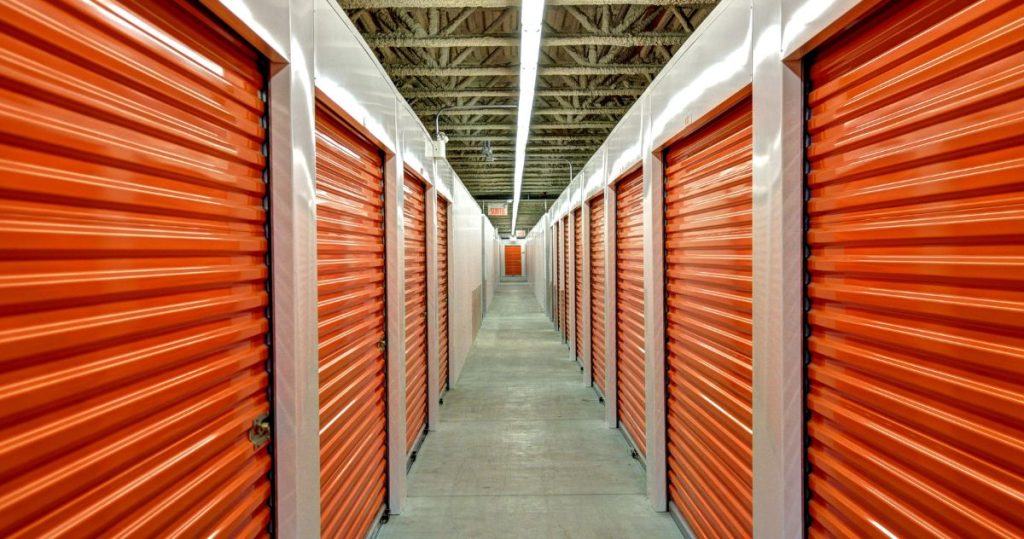
    storage 2
    storage 2

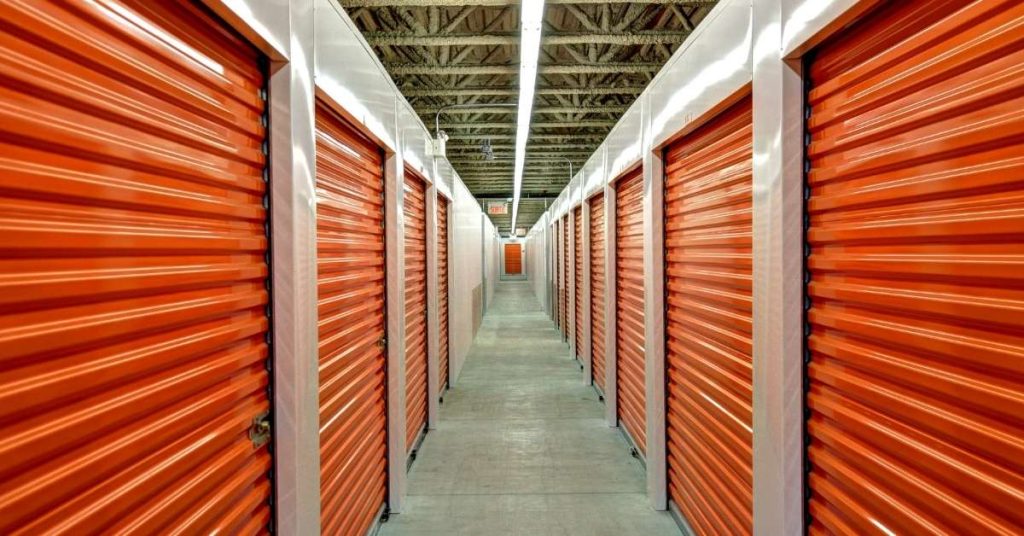
    Commonly, you’ll find facilities offering spaces in sizes like 5×5, 5×10, 10×10 and even up to 10×30 feet. These measurements represent the width and length of the storage unit. But that’s not all—you also need to consider the height of these units. It’s standard for most storage units to have an approximate height of eight feet.

    The smallest size typically offered is a 5×5 unit. This is about the size of a small closet and can hold items such as boxes, small furniture or seasonal decor. If you’re downsizing or decluttering your space but don’t have a lot to store, this could be perfect for you.

    Next up is the 5×10 unit—it’s roughly equivalent to a walk-in closet. You’d be surprised how much it can fit! Your mattress set, sofa, dining room set or several boxes would comfortably nest here.

    Moving on to larger sizes: The 10×10 unit is comparable to half of a standard garage. Here you can store an entire family room’s worth or two full bedrooms worth of belongings.

    Finally, there’s the massive 10×30 unit—nearly the size of a one-car garage! Got some big stuff? Appliances, cars or boats? They’d likely fit in here with room left over for other bits and bobs.

    Remember though — while these are common measurements found at many self-storage facilities; they might vary slightly depending on location and company policy. Always check with your facility first before making concrete plans.

    How to Determine the Right Storage Unit Size

    You’re probably wondering how to figure out the right amount of space you need for your items. It can seem like a daunting task, but don’t worry! We’ve got some tips to help you determine the perfect storage unit size for your belongings.

    Firstly, take an inventory of what you plan to store. Noting down sizes and quantities will give you a clearer picture of the storage space needed. Then, consider if these items will be stored flat or if they can be stacked? If stacking is possible, this could save significant space.

    Secondly, think about future use. Do you foresee needing more room for additional items down the line? If so, it’s better to opt for a larger unit now rather than having to move everything later on.

    Thirdly, don’t forget that storage units aren’t just cubicles – they’re also vertical spaces. So even if your stuff seems like it’d fill up an entire garage floor-wise, remember that most units are at least eight feet tall!

    Lastly, seek advice from professionals in the field. They’re experts at estimating how much space different types of items take up and they’ll be able to guide you towards the correct size.

    Determining the right storage unit might initially seem tricky but with careful consideration and planning it doesn’t have to be stressful. After all, finding the perfect fit isn’t just about cramming everything into a tiny box; it’s about ensuring that your belongings are safe and easily accessible whenever you need them.

    Factors That Influence Storage Unit Sizes

    There’re several factors that can influence the size of a place you’ll need to keep your stuff. It’s not just about how much stuff you’ve got, but also what kind of items they are, and how often you’ll need access to them.

    Firstly, consider what you’re planning on storing. If it’s just a few boxes of miscellaneous items, then a small 5×5 unit could be enough. But if you’re storing furniture or appliances, then you’ll likely need a larger space.

    Next up is how you plan on organising your stuff in the unit. You might think “I don’t have much”, but remember that good organisation requires extra room. If everything is packed in tightly with no aisle for access, finding something later could become a real headache.

    Then there’s frequency of use – do you need regular access? If so, consider renting a slightly larger one as constantly moving things around in a tight space can get annoying fast.

    Lastly, think about the future – will your storage needs increase over time? It may be wiser to choose a larger unit now rather than having to move everything later when more space becomes necessary.

    Comparing Residential and Commercial Storage Units

    It’s crucial to understand the differences between residential and commercial units when deciding which type is best for your needs. Residential units are typically smaller, designed for personal use. You’d usually store household items like furniture, clothes, or seasonal decorations in these spaces. They’re perfect if you’re moving homes, downsizing, or simply need extra room for your belongings.

    On the flip side, commercial storage units are much larger. They’re intended to house business-related items such as office furniture, inventory stockpiles or equipment. If you’re a business owner looking for a cost-effective way to manage inventory or space requirements, these units could be an ideal solution.

    But size isn’t the only difference between these two types of storage options. Access hours can also vary significantly. Most residential units offer 24/7 access because they understand that you might need to get to your personal items at any time. Commercial units often have more restricted access times — they operate more like traditional business hours.

    Security measures may also differ based on the type of unit; both types provide secure facilities but with varying levels of security systems in place depending on their specific clientele’s demands.

    So when choosing between residential and commercial storage units consider not just what you need to store but how often you’ll need access and what kind of security measures make you feel most comfortable.

    Remember it’s about finding the right fit for your unique situation; whether that’s a small residential unit just around the corner from home or a large commercial one near your workplace is entirely up to you!

    Insights on Climate-Controlled Storage Units

    They’re often pricier, but climate-controlled spaces offer an extra layer of protection for your items. Unlike regular storage units, these environments regulate both temperature and humidity levels. That’s crucial if you’re storing sensitive or valuable items like antique furniture, artwork, electronics, or important documents.

    You may wonder why you’d shell out more money for a climate-controlled unit. Well, extreme temperatures can wreak havoc on many materials. It’s not just about heat; cold can be equally damaging. Humidity is another beast altogether: high humidity promotes mould growth and moisture damage while low humidity can dry out and crack certain items.

    Climate-controlled units are typically inside buildings with well-insulated walls, ceilings, and floors. This offers a double advantage: better climate control and added security against thefts or pests.

    Remember though that not all ‘climate-controlled’ units are created equal. Some maintain a steady temperature but don’t monitor humidity; others might not keep the temperature perfectly consistent. So when you’re shopping around for storage options, make sure to ask what exactly ‘climate-control’ entails at each facility.

    Tips for Maximizing Storage Unit Space

    You’re probably wondering how to make the most out of your rented space, aren’t you? Whether it’s a small locker-style unit or a large garage-sized one, every square inch counts. So here’s some advice on maximising your storage unit space.

    First off, don’t just think horizontally; think vertically too. You’ve got ceiling height that can be utilised. Stackable plastic bins are great for this. They’re sturdy enough to hold weight and clear ones allow you to see what’s inside without having to open them up.

    Next, consider disassembling larger items like furniture. It might feel like a hassle now but it’ll save you loads of space in the long run. Just remember to keep all the screws and bolts in a labeled bag so reassembly isn’t a nightmare later.

    One thing people often forget is that hollow spaces within items can be used for storage too. Think drawers in dressers or the inside of appliances – these are prime locations for smaller objects.

    Lastly, strategic planning is key before moving anything into your unit. Sketch out an arrangement plan factoring in accessibility of items you may need more often than others. A little extra effort at the start can save you from future frustrations of searching through boxes piled haphazardly.

    Storage Unit Size Selection Checklist

    Choosing the right size for your space can be tricky, can’t it? You’ve got to consider what you’re storing and how much of it there is. Here’s a handy checklist to guide you through the process.

    Firstly, take an inventory of what you’re planning to store. You’ll need a good idea of how many boxes, furniture pieces, or other items you have. This will give you a rough estimate of the storage unit size needed.

    Next on your checklist should be functionality. Are you going to access your items frequently? If so, you’ll want extra room to move around in there. Nothing’s worse than not being able to reach something because it’s packed too tightly!

    Then think about future needs. Sure, that 5×5 unit might seem like enough now but what if down the line you need more space? It’s better to have a bit extra rather than having to upgrade later.

    Lastly, don’t forget about cost! Yes, larger units are more expensive but cramming items into a smaller unit isn’t necessarily cheaper if those items get damaged due to improper packing or lack of ventilation.

    Conclusion

    Choosing the right storage unit size doesn’t have to be difficult. Remember, consider what you’re storing and how often you’ll need access. Consider climate-controlled units for delicate items and don’t forget to optimise your space! With these tips in mind, you’ll find the perfect fit for your needs. It’s all about understanding your requirements and doing a little research. Now that you’re armed with knowledge, go ahead and make an informed selection!

    About Prestige Storage

    We Provide Our Clients With:

    • Extra space allowing you to avoid any costly moves and create extra space at home
    • Easy access to your storage by being open 6 days a week, and on Sundays by appointment only
    • Monitored by a state-of-the-art security system
    • 24 hour video monitoring
    • 24 hour guard service
    • Low monthly rental costs
    • Clean and well-lit storage areas, perfect for any item of any size
    • Variety of sizes to choose from to suit your needs
    • Free use of hand carts

    Our Storage Solutions

    Personal Storage

    Business Storage

    Document Storage

    Get A Free Quote

    Learn More

  • Are Storage Units Safe

    Are Storage Units Safe

    You’ve got extra stuff and you’re thinking of renting a storage unit. But you’re wondering, “Are storage units safe?” Let’s explore this together, examining security measures, assessing physical safety, identifying potential hazards, and discussing the role of insurance. We’ll provide tips for enhancing safety and look at real-life incidents. You’ll gain insights into future trends in storage unit safety to make an informed decision.

    Understanding Storage Unit Safety

    Let’s delve into understanding storage unit safety, which is often a concern for many people. Safety can encompass a variety of factors, from physical security to protection against environmental damage. It’s important that you’re aware of the measures in place at your chosen facility.

    First off, consider the physical security measures. Most storage facilities have fences and gates that only allow access to customers with keys or codes. You’ll want to ensure there are robust locks on the units themselves too. Many places will provide their own, but it’s worth asking if you’re allowed to use your own padlock for added peace of mind.

    Next up is surveillance – another crucial aspect. Does the facility have CCTV cameras covering all areas? Some places even offer 24-hour monitoring services so someone’s always keeping an eye on things. Don’t hesitate to ask about this when choosing where to store your belongings.

    Then there’s the matter of environmental protection – essentially, how well does the unit shield your items from factors like moisture or extreme temperatures? If you’re storing delicate items like documents or electronics, climate-controlled units might be worth considering.

    Lastly, consider insurance coverage for your stored items – it might not be included by default and could require an additional fee.

    Remember: safety doesn’t just happen; it requires active participation on your part as well as diligent practices by the storage facility itself. So don’t shy away from asking questions until you’re sure it’s a safe place for your possessions!

    The Role of Security Measures in Storage Units

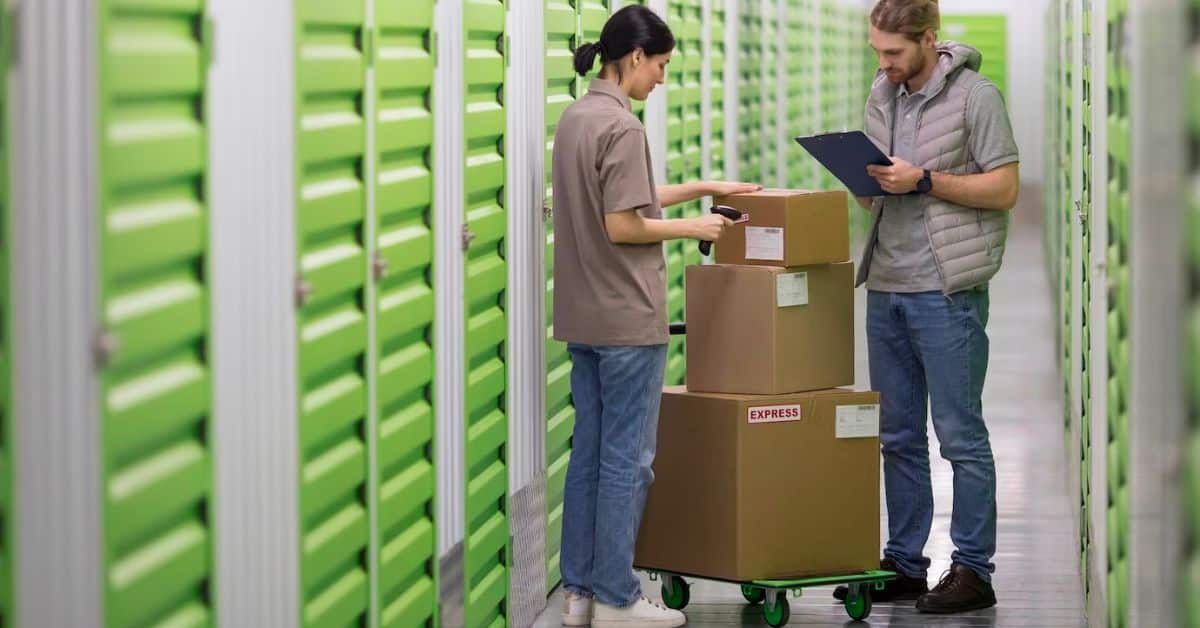
    Storage boxes on trolley

    You’re probably wondering how significant the role of security measures is when it comes to keeping your belongings secure. Well, they are not just important; they are pivotal in ensuring that your stored items remain safe and intact.

    Think about it this way – you wouldn’t leave your home or car unlocked, would you? Just like these personal spaces, storage units also need to be protected against potential threats. It’s not just about protecting them from theft but also from damage caused by pests or extreme weather conditions.

    Security measures in storage facilities can vary greatly. Some provide basic protections like fencing and padlocks, while others go all out with 24/7 surveillance cameras, individual unit alarms, and biometric access controls. You’ve got to admit – there’s a certain peace of mind knowing that there’s an advanced security system safeguarding your possessions.

    That being said, don’t rely solely on these measures. It’s equally crucial for you to do your part. Use sturdy locks for your unit and regularly check on your items. If possible, opt for climate-controlled units if you’re storing sensitive items like electronics or antiques.

    Remember that security isn’t a guarantee; it’s a precautionary measure designed to minimize risks as much as possible. So when choosing a storage facility, make sure their security standards meet or even exceed yours because ultimately, the safety of your belongings is what matters most.

    In summary: yes, storage units are safe — so long as they have robust security measures in place and you take some responsibility too! You should never compromise on this aspect while selecting a facility for storing valuables.

    Assessing the Physical Safety of Storage Units

    Assessing the physical safety of your chosen spot is a must before you stash away those precious belongings. Don’t just rely on what you’re told by the storage unit provider—be proactive in ensuring that the facility meets all necessary safety standards. You’ve got to be certain that your possessions aren’t only secure from theft, but also from physical damage.

    Check out the overall state of the premises—is it well-maintained? A clean and tidy environment suggests active management, which can correlate with better security measures. Look at how structurally sound each individual unit is as well. Are there any signs of leaks or cracks? Water damage or pests are threats you don’t want to overlook.

    Then there’s fire safety. Make sure there’s an effective sprinkler system in place and that fire extinguishers are readily available throughout the facility. It wouldn’t hurt to inquire about their disaster management plan either—you need to know they’re prepared for worst-case scenarios.

    Don’t forget about lighting; it plays a vital role in both visibility and security. Well-lit areas not only deter potential thieves but also reduce chances of accidents while accessing your items during dark hours.

    Lastly, consider accessibility. Is there 24/7 access? While this might seem convenient, unrestricted access can sometimes compromise security levels—so weigh up which aspect is more important to you.

    In essence, when it comes down to assessing physical safety, don’t skip corners or rush through checks—you’re entrusting them with your valuables after all!

    Potential Hazards in Storage Units

    There’s a range of potential hazards in these spaces that we need to be aware of, such as fire risks, water damage, and pest infestations. For instance, if you’re storing items that are flammable or combustible like paint cans or gas cylinders, it can lead to a disastrous situation if a fire breaks out. Even an electrical short-circuit due to faulty wiring can trigger fire incidents.

    Now think about water damage. It’s another hazard you might not have considered but can become a grave issue in your storage unit. If there’s any leak in the roofing or walls during heavy rains, your belongings could be severely damaged by moisture exposure. The risk goes up especially if you’ve stored items that are particularly susceptible to water damage like books, electronics or wooden furniture.

    And let’s not forget pests! Creatures like rats and insects often find their way into storage units. They pose a serious threat to your stored goods; they chew through boxes and spoil whatever is inside them. Also remember that pests carry diseases which might pose health risks too.

    The Importance of Insurance for Storage Units

    Considering all the potential hazards, it’s absolutely crucial to have insurance for your belongings in these facilities. You’ve chosen a storage unit based on its security features and cleanliness, but that doesn’t guarantee complete safety from unexpected occurrences like theft, fire, or water damage. It’s for these reasons that having insurance can provide peace of mind.

    Imagine you’ve stored valuable family heirlooms or important business documents in your unit and something happens. If you’re uninsured, you’d be left with nothing but loss and regret. But if you had taken out an insurance policy, you could get reimbursed for those items up to the insured amount.

    You may think your homeowner’s or renter’s insurance covers this stuff, but that’s not always the case. Many policies don’t extend to belongings stored off-site. So it’s essential to check with your provider first before assuming everything is covered.

    Additionally, some storage facilities offer their own coverage plans which can be added onto your rental agreement. This option might seem convenient at first glance but remember to read through the terms carefully as they may not cover all types of events or have lower payout limits.

    Tips to Enhance the Safety of Your Storage Unit

    You’ll want to pay close attention to these tips that can further enhance the protection of your belongings in your rented space. First, choose a storage facility with solid security measures. You’re looking for video surveillance, individual door alarms, and limited access gates. Additionally, well-lit facilities deter thefts.

    Packing your unit efficiently is also crucial. You’ve got to keep valuables hidden in the back while bulky items are placed upfront. Don’t leave any room for intruders to manoeuvre around easily inside.

    Investing in a high-quality lock might seem obvious but it’s often overlooked. Don’t settle for a cheap padlock, because they’re easy targets for bolt cutters. Instead, opt for disc locks or cylinder locks which provide better security.

    Another tip you shouldn’t ignore is properly insuring your belongings. Even with precautions taken, incidents can occur so it’s wise to have coverage against potential damage or loss.

    Lastly, regular visits to your storage unit will discourage any potential thieves from targeting it as they prefer units that are rarely checked on by their owners.

    Remember this isn’t about being paranoid but proactive in protecting what’s yours. So be thorough when researching facilities and don’t hesitate to ask questions about their safety protocols – after all, you’re entrusting them with your possessions.

    Don’t let concerns over safety stop you from renting a storage unit; instead use them as motivation to take necessary steps ensuring the protection of your stored items.

    Let’s delve into some real-life incidents that highlight the importance of security measures for rented spaces. Imagine you’re a collector of vintage memorabilia, and you’ve chosen to store your collection in a rented storage unit. One day, you arrive to find the lock broken and several valuable items missing. The police are called, but without any security footage or other evidence, they can’t do much.

    This isn’t just a hypothetical scenario; it’s what happened to John from Texas. He’d assumed his belongings would be secure in his storage unit. He was wrong.

    Now consider another situation where you’re storing important documents related to your business in a rented space. You come in one morning and discover water damage has ruined everything because the facility didn’t maintain their roof properly. Again, this actually happened – ask Rachel from California who lost vital paperwork due to this negligence.

    And who can forget about Emily from New York? She stored her belongings while moving houses only to later discover rats had chewed through her boxes causing significant damage!

    These stories are all too common and demonstrate why it’s essential for rental spaces like storage units to have proper security measures in place – including surveillance cameras, well-maintained facilities, pest control measures and more.

    Looking ahead, there are promising trends in rental space security that you should be aware of. For starters, technology is playing a bigger role than ever before. You’re likely to see more storage facilities incorporating advanced tech for better security measures.

    You might have heard whispers about smart locks and they’re not just rumours. These locks can be controlled remotely and provide real-time alerts on your mobile device if there’s any unauthorised access attempt. They’re far more secure than traditional padlocks and offer you the convenience of managing security from wherever you are.

    There’s also talk about video surveillance going high definition. This isn’t just for enhancing clarity but also enables facial recognition capabilities to prevent trespassers from infiltrating your rented space unnoticed. It’ll give you peace of mind knowing that someone can’t simply sneak into your unit without being identified.

    Something else to anticipate is biometric access systems making their way into storage facilities. Imagine accessing your unit with just a fingerprint or eye scan; it sounds futuristic but it could soon be the norm.

    Finally, data encryption is another trend to watch out for. With digital security becoming as important as physical safety, encrypted key codes will ensure no one can hack into your lock system.

    Conclusion

    In the end, you’ve got to be aware of your storage unit’s safety. It’s essential to understand the security measures and possible hazards. Don’t underestimate the importance of insurance either. Make sure you’re doing all you can to enhance your unit’s safety. Stay informed about incidents and future trends in storage unit safety too. After all, it’s your stuff at stake, so it pays to keep it safe and sound!

    About Prestige Storage

    We Provide Our Clients With:

    • Extra space allowing you to avoid any costly moves and create extra space at home
    • Easy access to your storage by being open 6 days a week, and on Sundays by appointment only
    • Monitored by a state-of-the-art security system
    • 24 hour video monitoring
    • 24 hour guard service
    • Low monthly rental costs
    • Clean and well-lit storage areas, perfect for any item of any size
    • Variety of sizes to choose from to suit your needs
    • Free use of hand carts

    Our Storage Solutions

    Personal Storage

    Business Storage

    Document Storage

    Get A Free Quote

    Learn More

  • Storage Calculator

    This post is currently under review to provide you with a useful tool.

  • Choosing The Right Self-Storage Unit

    Are you in need of extra space to store your belongings? Whether you’re moving, downsizing, or simply decluttering, a self-storage unit can provide the solution you need. However, with so many options available, it can be overwhelming to choose the right one for you. That’s why we’re here to guide you through the process of selecting the perfect storage unit that meets your unique needs and preferences.

    Before making any decisions, it’s important to determine your storage requirements. Do you have large furniture items or delicate antiques that require special care? Are you planning on accessing your belongings frequently or only occasionally? By taking these factors into consideration and knowing what you need from a self-storage unit, you’ll be better equipped to find one that works for you. Keep reading for more tips on how to choose the right self-storage unit for your needs.

    Determining Your Storage Needs

    You’ll want to start by picturing all the items you plan on storing and then estimating how much space they’ll take up in a storage unit. This will help you determine what size unit you need. Consider not only the size of your belongings, but also their weight and fragility. Heavier items may require larger units or even special accommodations, while fragile items may need climate-controlled storage.

    Next, think about accessibility. Do you need frequent access to your stored items? If so, consider a unit that is easily accessible and has convenient hours of operation. On the other hand, if you don’t need regular access, you might be able to save some money by choosing a less accessible location.

    Another important factor to consider is security. Your stored belongings are valuable and should be protected accordingly. Look for features like surveillance cameras, gated entry with individual access codes, and on-site managers who can keep an eye on things.

    When choosing the right self-storage unit for your needs, it’s important to consider cost. Don’t just choose the cheapest option without considering whether it meets all of your needs – this could end up costing you more in the long run if your belongings are damaged or stolen due to inadequate security measures or insufficient space. Shop around for competitive rates that offer everything you’re looking for in a storage facility.

    Considering Location and Accessibility

    If you need to access your belongings frequently, it’s important to consider the location and accessibility of the storage facility. Think about how far you’re willing to travel and if there are any major highways or roads nearby. If your storage unit is out of the way, it can become a hassle to go back and forth, which can add stress to an already busy day.

    Another factor to consider is whether or not the facility has extended hours of operation. If you work late hours or have other obligations that limit your availability during regular business hours, finding a storage unit with 24/7 access can be beneficial. This will allow you greater flexibility in terms of when you can come and go.

    It’s also important to think about the type of access available at the facility. Do they offer drive-up units where you can park directly in front of your unit? Or do they require that you park further away and carry everything in by hand? If convenience is important to you, look for a facility that offers drive-up units so you won’t have to spend extra time carrying items back and forth.

    Lastly, don’t forget about safety when considering location and accessibility. Look for facilities with well-lit areas, security cameras, secure gates with keypad entry codes or key cards, as well as onsite managers who monitor activity regularly. By taking these factors into consideration when choosing a self-storage unit, you’ll be able to ensure easy access while also keeping your belongings safe and secure.

    Unit Size and Capacity

    When figuring out how much space you need, it’s important to consider the size and capacity of the unit. Before renting a self-storage unit, take inventory of all the items you plan to store. This will help you determine the appropriate size for your needs. Keep in mind that many storage facilities offer units in various sizes, ranging from small lockers to large rooms.

    It’s essential to choose a unit that accommodates everything you plan on storing without being too cramped. If you’re storing furniture or appliances, measure each item beforehand to ensure it fits comfortably in the unit. Remember that packing your belongings efficiently can also maximise your storage space and save money by allowing you to rent a smaller unit.

    When selecting a self-storage unit based on its capacity, remember that it’s not just about fitting everything inside. You’ll want enough room to move around and access your items easily. Consider whether shelving or other organisational tools would be beneficial in maximising space utilisation within the unit.

    Overall, choosing the right-sized self-storage unit is crucial for protecting your valuables while also avoiding overspending on unnecessary square footage. Take inventory of what you need to store before selecting a facility and don’t hesitate to ask for advice from staff members if unsure of which size is best for your needs. By doing so, you’ll have peace of mind knowing that your belongings are secure and accessible whenever needed.

    Security Features and Measures

    Ensuring the safety of your stored items is a top priority, and that’s why it’s crucial to consider the security features and measures offered by the self-storage facility. A reputable storage company will have various security measures in place to protect your belongings from theft or damage. It’s essential to evaluate these features when choosing a unit.

    One of the first things you should look for is surveillance cameras. The presence of high-definition cameras throughout the facility can deter thieves and help identify them if any suspicious activity occurs. Additionally, some facilities have 24/7 camera monitoring, which adds an extra layer of protection. Make sure to choose a storage company that has reliable video surveillance systems installed.

    Another aspect to consider is access control. Facilities with gated access and keypad entry systems are ideal because they ensure that only authorised individuals can enter the premises. This feature minimises unauthorised access, preventing thefts or break-ins into your unit. Don’t forget to inquire about how often they change their access codes as well.

    Lastly, modern alarm systems can provide additional security for your storage unit. Advanced alarm systems detect motion and sound disturbances in the area around your unit, immediately alerting staff members if there is any suspicious activity happening in the vicinity of your belongings.

    Considering security features and measures when choosing a self-storage unit is critical for ensuring peace of mind over time. By selecting a reputable storage company with excellent security protocols such as video surveillance cameras, gated access control with keypads or card readers, advanced alarm systems; you will be able to rest assured knowing that your valuables are safe and secure at all times!

    Climate Control Options

    Don’t underestimate the importance of climate control in preserving your stored items, as extreme temperatures and humidity can cause irreversible damage. Climate-controlled units maintain a constant temperature and humidity level, ensuring that your belongings remain in good condition. For example, wooden furniture can warp or crack if exposed to high temperatures or humidity levels, while electronics can suffer from corrosion or malfunction.

    Climate control options may vary depending on the facility you choose, so it’s important to do your research beforehand. Some facilities offer full climate control throughout their entire site, while others only have designated areas for temperature regulation. Make sure to ask about the specific unit you’re interested in renting and whether it has its own thermostat.

    In addition to preventing damage to your belongings, climate-controlled units also provide added protection from pests and dust. The sealed environment makes it difficult for insects and rodents to enter and damage your items, while also reducing the amount of dust that accumulates on them over time. This is especially beneficial for sensitive items like artwork or clothing that can be easily damaged by exposure to pests or dust.

    Overall, choosing a self-storage unit with climate control options ensures that your belongings are preserved for years to come. While these units may cost more than non-climate controlled ones, they provide added peace of mind knowing that your items are safe from extreme weather conditions and potential pest infestations. So before making a final decision on which storage facility to use, make sure you take into account the benefits of opting for climate-controlled storage units.

    Contract Terms and Fees

    It’s important to carefully review the contract terms and fees before committing to a storage facility. This is because each facility may have different policies regarding payment, late fees, and move-in specials. Make sure to ask about any hidden fees or charges that could surprise you later on.

    When reviewing the contract terms, pay attention to the length of the lease agreement. Some facilities require long-term contracts while others offer month-to-month options. If you’re unsure how long you’ll need storage for, choose a facility with flexible lease options so you can adjust as needed.

    Another important factor is insurance coverage. Some facilities require tenants to purchase insurance while others include it in their rental fee. Make sure to ask what type of coverage is included and if there are any additional costs associated with it.

    Don’t forget about security deposits and move-out procedures when reviewing contract terms and fees. Most facilities will require a deposit upfront which will be returned at the end of your lease if there are no damages or outstanding balances owed. Ask about move-out procedures such as giving notice before vacating your unit or cleaning requirements upon departure.

    By taking the time to review contract terms and fees, you can avoid surprises down the road and ensure that you choose a self-storage facility that fits your needs both financially and practically.

    Insurance and Liability Coverage

    Before you rent a space, make sure you understand the insurance and liability coverage options available at the facility. While many self-storage facilities offer some level of insurance coverage for your belongings, it’s important to review the terms and limitations carefully. Most standard policies will only cover damage or loss caused by specific events such as fire, theft or natural disasters. If you need additional protection for valuable items like jewellery or artwork, consider purchasing supplemental insurance from a third-party provider.

    In addition to insurance coverage, liability is also an important consideration when renting a self-storage unit. Liability refers to your responsibility for any injuries that may occur on the property. For example, if someone trips and falls on your unit’s walkway, you could be held liable for their medical expenses and other damages. Most facilities include provisions in their rental agreements that limit their own liability and place responsibility on renters to maintain safe conditions within their units.

    To minimise your risk of liability issues, be sure to take proper precautions when storing items in your unit. Avoid placing heavy or unstable objects near doorways or walkways where they could fall and cause injury. Keep flammable materials away from heat sources and always follow any special instructions provided by the facility regarding hazardous materials storage.

    Ultimately, choosing a self-storage facility with comprehensive insurance and liability coverage can give you peace of mind knowing that your belongings are protected in case of unexpected events. Be sure to ask questions about coverage options before signing any rental agreement so that you can make an informed decision about which facility is right for your needs. With careful consideration of all factors involved in renting a storage space, you can find the perfect solution for keeping your possessions safe and secure.

    Reviews and Recommendations

    When you’re searching for a place to store your belongings, checking out reviews and recommendations from other customers can give you valuable insight into the quality of the facility. Reviews are an important source of information that allow you to gauge how satisfied previous renters have been with their experience. Look for reviews online or ask friends and family members if they’ve used a self-storage unit before and whether they would recommend it.

    Reading through reviews can help you identify any red flags that may indicate poor service or facilities. For example, if multiple reviewers mention issues like security problems, unclean units, or rude staff members, these may be warning signs that the facility isn’t up to par. On the other hand, glowing reviews can provide reassurance that you’re making a good choice.

    Don’t just rely on star ratings alone; take the time to read through what people actually say about their experiences. Look for detailed accounts of why someone liked or disliked a particular storage unit. Pay attention to comments about customer service, cleanliness, accessibility, pricing, and overall value for money.

    Ultimately, taking the time to research self-storage options thoroughly will help you make the best decision possible when it comes to storing your belongings. By reading reviews and recommendations from others who have gone through this process before you, you’ll be able to make an informed choice about which self-storage unit is right for your needs.

    Making Your Final Decision

    Once you have thoroughly researched and gathered information from reviews and recommendations, you can confidently select the perfect storage option for all of your belongings. However, before making your final decision, it is important to consider a few key factors. Firstly, think about the location of the self-storage unit. Is it easily accessible? Will you be able to get there easily whenever you need to? Consider how far away it is from your home or workplace and whether proximity is important to you.

    Next, consider the size of the unit that you require. Take an inventory of everything that needs storing and make sure that the unit has enough space to accommodate all of your belongings comfortably. You don’t want to end up with a storage unit that’s too small or too big for what you need. Make sure to check out different sizes and configurations so that you can find one that meets your specific requirements.

    Another factor to keep in mind when choosing a self-storage unit is security. You want peace of mind knowing that your belongings are safe at all times. Look for units with features such as surveillance cameras, secure gates or alarms systems in place. It’s also worth checking if they have insurance options available just in case something unexpected happens.

    Lastly, take into account any additional amenities or services offered by the facility such as climate control or 24-hour access options. These extras may come at an additional cost but could be worth it depending on what items are being stored and how often they will need to be accessed.

    By keeping these factors in mind when making your final decision, you’ll be able to choose a self-storage unit that fits all of your needs perfectly. Remember that taking the time to do some research beforehand will save time and money in the long run while ensuring complete satisfaction with your chosen storage solution!

    Conclusion

    Congratulations! You have completed the process of choosing the right self-storage unit. By following the steps outlined in this article, you have made an informed decision that meets your storage needs and budget.

    Remember to consider factors such as location, unit size, security features, climate control options, contract terms and fees, insurance coverage and recommendations from others when making your final decision. With these factors in mind, you can rest assured that your belongings are safe and secure in a storage facility that meets all your expectations. Thank you for reading and happy storing!

    About Prestige Storage

    We Provide Our Clients With:

    • Extra space allowing you to avoid any costly moves and create extra space at home
    • Easy access to your storage by being open 6 days a week, and on Sundays by appointment only
    • Monitored by a state-of-the-art security system
    • 24 hour video monitoring
    • 24 hour guard service
    • Low monthly rental costs
    • Clean and well-lit storage areas, perfect for any item of any size
    • Variety of sizes to choose from to suit your needs
    • Free use of hand carts

    Our Storage Solutions

    Personal Storage

    Business Storage

    Document Storage

    Get A Free Quote

    Learn More

  • How To Avoid Storing Prohibited Items In A Self-Storage Unit

    How To Avoid Storing Prohibited Items In A Self-Storage Unit

    Are you planning on renting a self-storage unit to store your belongings? Before you start packing, it’s important to know what items are prohibited by most self-storage facilities. Storing prohibited items not only violates the facility’s policies but can also be dangerous and illegal. In this article, we will guide you on how to avoid storing prohibited items in a self-storage unit and ensure that your stored items are safe and secure.

    Firstly, it is crucial to understand the policies of the self-storage facility you plan to rent from. Most facilities have strict guidelines on what can and cannot be stored in their units for safety reasons. Even if an item seems harmless or valuable, it may still be prohibited due to the risk it poses. By knowing these policies beforehand, you can avoid any issues that may arise during storage or when retrieving your items later on. Let’s dive into some common prohibited items found in self-storage units and how to properly store your belongings while adhering to facility guidelines.

    Understanding Self-Storage Policies

    You’ll want to make sure you understand the self-storage policies before stashing any of your prohibited items in there. Policies may vary from one facility to another, so it’s best to ask the staff about their rules and regulations. Familiarise yourself with these policies to avoid any inconvenience or potential legal issues down the line.

    Most self-storage facilities prohibit certain items for safety and liability reasons. These can include hazardous materials such as chemicals, explosives, and gasoline. Other prohibited items may include firearms, stolen property, illegal drugs, and perishable goods like food and plants. Before choosing a storage unit, check which items are not allowed in order to avoid violating their policies.

    In addition to checking the list of prohibited items, you should also consider what type of insurance coverage is available for your stored belongings. Some facilities offer insurance options while others require renters to purchase their own insurance policy. In either case, be sure to read through the terms carefully before signing up for any additional coverage.

    If you’re unsure about whether an item is allowed or not, don’t hesitate to contact the facility’s staff for clarification. They will be more than happy to help answer any questions you have regarding their policies on storing certain items. By following these guidelines and being mindful of what’s permitted in your storage unit, you can ensure that your belongings stay safe and secure without risking any violations or penalties along the way.

    Items Prohibited by Self-Storage Facilities

    If you try to bring in anything flammable or explosive, the self-storage facility won’t let you keep it there. This is because these items pose a significant risk to the safety of the facility and its occupants. Examples of prohibited items include gasoline, propane tanks, fireworks, and ammunition. Even if you think that the item is safe for storage, it’s essential to check with the self-storage facility beforehand.

    Another category of prohibited items is perishable goods and food items. These may attract pests and rodents and can cause damage to other stored belongings. Common examples of perishable items include fresh produce, dairy products, meat products, canned goods, pet food, etc. It’s important to note that this rule also applies to open containers or partially eaten food that could rot or spoil over time.

    Self-storage facilities also prohibit storing illegal substances like drugs and drug paraphernalia. This policy is in line with federal laws governing controlled substances and aims to prevent any legal issues that may arise from storing such items on their premises. If you’re unsure whether an item falls under this category or not, it’s best to err on the side of caution and avoid bringing it into your storage unit altogether.

    Lastly, some self-storage facilities have restrictions on storing vehicles or vessels with fuel inside them due to potential leaks or spills that could harm other stored belongings or contaminate groundwater if they seep into the soil. Always confirm with your storage provider about their specific policies regarding vehicle storage before parking yours there.

    Overall, understanding what items are not allowed in a self-storage unit is crucial for both your safety as well as others using the facility. Before signing any contract agreement make sure you go through all their policies carefully so that you don’t end up violating any rules unknowingly later down the line.

    Hazardous Materials and Chemicals

    Danger Hazardous Chemicals Sign on a Barrel

    When it comes to storing your belongings at a self-storage facility, it’s important to be aware of any hazardous materials or chemicals that you may have and how they could potentially harm the environment or other occupants. Hazardous materials can include things like gasoline, propane tanks, pesticides, batteries, and cleaning products. These items are typically prohibited by most self-storage facilities because they pose a risk to safety and health.

    If you have hazardous materials that need to be stored, it’s important to find alternative storage solutions. You may want to consider contacting a local waste disposal company for guidance on how to properly dispose of these items. Alternatively, some cities host household hazardous waste collection events where residents can drop off their unwanted chemicals and materials.

    It’s also important to note that even if an item is not considered “hazardous,”it still may not be allowed in a self-storage unit. For example, many facilities prohibit storing perishable items like food or plants because they attract pests and can cause unpleasant odours. It’s always best to check with the facility beforehand so you don’t accidentally store something that could get you into trouble.

    If you’re unsure whether an item is permitted in your self-storage unit, it’s better to err on the side of caution and avoid storing anything that could pose a danger or nuisance. Take the time to research alternative storage options for hazardous items and always read through the facility’s rules before signing up for storage services. By taking these precautions, you’ll help ensure a safe and secure storage experience for yourself as well as others who use the same facility.

    Illegal and Stolen Items

    Hey, did you know that it’s important to be aware of the legality of the items you store in a self-storage facility? If you’re not careful, you could end up storing illegal and stolen items, which could lead to serious consequences. Not only is it against the law, but it also puts your reputation and safety at risk.

    First of all, it’s important to note that most self-storage facilities have strict rules against storing illegal or stolen items. This includes anything from drugs and weapons to counterfeit goods and stolen property. Violating these rules can result in fines or even criminal charges. It’s not worth risking your freedom for a few extra belongings.

    Secondly, if someone else stores illegal or stolen items in their unit at the same facility as yours and they get caught, there is a chance that law enforcement may investigate other units as well. This means that even if you are innocent, your belongings may still be searched and seized as part of the investigation. To avoid this hassle altogether, make sure you only store legal items in your unit.

    Lastly, remember that storage facilities are public spaces with surveillance cameras and security personnel. If anyone suspects that something illegal is being stored on the premises (even if it’s not yours), they may report it to law enforcement. This means that even if you think no one will find out about what you’re storing in your unit, there is always a possibility that someone will catch wind of it.

    Don’t take any chances when it comes to storing prohibited items in a self-storage facility. Stick to legal belongings and avoid any potential problems down the line. Remember: peace of mind is priceless!

    Perishable and Food Items

    Perishable food items should not be kept in self-storage units due to the risk of spoilage and attracting pests. It is important to remember that these items are meant for immediate consumption, and they will not last long in a storage unit. The lack of temperature control and air circulation can lead to spoilage, mould growth, and unpleasant odours. Moreover, storing food items can attract rodents, insects, and other pests that may damage your belongings or spread disease.

    To avoid storing perishable and food items in a self-storage unit, you should consume them before moving or find alternative storage options such as a refrigerator or cooler with ice packs if you need to transport them. If you have canned goods or dry foods that are unopened but close to their expiration date, consider donating them to a local food bank instead of storing them. This way you can help others in need while avoiding the risk of spoiling your own food.

    If you must store non-perishable food items in a self-storage unit, make sure they are properly sealed in containers that keep out moisture and air. Use plastic bins with tight-fitting lids instead of cardboard boxes which can easily become damaged by moisture or pests. Label your containers clearly so that you know what’s inside each one without having to open it.

    Keeping perishable and food items in a self-storage unit is not advisable because it poses health risks due to spoilage and pest infestation. It’s best to consume these items before moving or find alternative storage options if needed. If you must store non-perishable foods, seal them tightly in plastic bins labelled clearly for easy identification without opening them unnecessarily. By following these tips, you can ensure the safety of your stored belongings while maintaining healthy living conditions for yourself and others around you!

    Firearms and Explosives

    Firearms and explosives should never be kept in a self-storage unit due to the potential danger they pose. Not only is it against the law to store such items, but it also puts other renters and staff members at risk. Any type of explosive material or firearm can easily ignite or cause significant damage if not stored properly.

    It’s important to remember that self-storage units are not designed for hazardous materials, including firearms and explosives. These items require special storage conditions that most facilities cannot provide. Additionally, some types of weapons may be illegal to store altogether, depending on local laws and regulations.

    If you have firearms or explosives that need to be stored, consider finding a licensed gun dealer or specialised storage facility that can handle these items safely and legally. They will have the necessary equipment and expertise needed to ensure your items are secure and won’t pose a threat to others.

    Storing firearms and explosives in a self-storage unit is never a good idea. It’s not only illegal but also dangerous for everyone involved. Instead, seek out professional advice on how best to store these items safely and legally. Remember: safety always comes first!

    Valuable and Irreplaceable Items

    Now that you know how to keep firearms and explosives out of your self-storage unit, it’s time to focus on another important topic: valuable and irreplaceable items. Whether you’re storing family heirlooms or expensive electronics, it’s crucial to take steps to protect these items from theft or damage.

    The first step in safeguarding your valuable belongings is to carefully choose a self-storage facility with strong security measures. Look for a facility with surveillance cameras, gated access, and individual unit alarms. You should also consider purchasing insurance specifically designed for self-storage units, which can provide added protection in case of theft or damage.

    Once you’ve found a secure storage facility, it’s important to properly pack and organise your items within the unit. Use sturdy boxes and packing materials to prevent breakage during transport and storage. Label each box clearly with its contents so that you can easily find what you need without having to dig through everything.

    Make sure that any particularly valuable or sentimental items are stored towards the back of the unit rather than near the door where they may be more easily accessible by thieves. By following these simple steps, you can rest assured that your most precious possessions will remain safe and secure while in storage.

    Proper Storage Techniques

    To ensure your belongings remain undamaged and easily accessible, you’ll want to utilise proper storage techniques when packing and organising your self-storage unit. One of the most important aspects of proper storage is utilising sturdy boxes and containers that will protect your items from damage due to shifting or impacts. Be sure to choose containers that are appropriate for the weight and fragility of each item, as well as ones that will stack neatly without toppling over.

    When placing items in your self-storage unit, be mindful of how you organise them. Heavier items should be placed at the bottom of stacks or piles, with lighter items on top. This will prevent crushing or other damage to more delicate belongings. Additionally, consider using shelving units or other organisational tools to maximise vertical space within the unit.

    One common mistake people make when storing items is failing to properly label their boxes and containers. This can lead to frustration later on when trying to locate a specific item within the unit. To avoid this issue, use clear labels that indicate what’s inside each container. You may also want to create an inventory list so you can keep track of where everything is located.

    It’s important not to overcrowd your self-storage unit. While it can be tempting to try and fit as much as possible into a small space, doing so can put pressure on your belongings and increase the risk of damage over time. Instead, opt for a larger unit if necessary or consider donating or selling items that you don’t absolutely need to store long-term. By following these proper storage techniques, you can help ensure your self-storage experience is stress-free and protects your valuable possessions for years to come.

    Ensuring Safety and Security of Stored Items

    Ensuring the safety and security of your cherished belongings is crucial when utilising a self-storage facility, as it can bring you peace of mind knowing that your items are protected from potential theft or damage. Here are some tips to help keep your stored items safe and secure.

    Firstly, always ensure that the storage facility you choose has proper security measures in place. This may include surveillance cameras, on-site staff, gated access, or individual unit alarms. These security features can deter potential thieves and provide an extra layer of protection for your valuable possessions.

    Secondly, consider investing in a high-quality lock for your storage unit. A sturdy lock can prevent unauthorised access and keep your items secure. Additionally, make sure to avoid sharing your key or access code with anyone else to maintain maximum privacy and security.

    Thirdly, be mindful of what you’re storing in your unit and avoid keeping any prohibited items such as firearms, explosives, chemicals or flammable materials. Storing these types of items not only poses a safety risk but also violates the terms of most self-storage agreements.

    Lastly, regularly check on your stored belongings to ensure they are still in good condition and haven’t been tampered with or damaged. If you notice anything out of the ordinary or suspicious activity around the facility’s premises – report it immediately to management so they can investigate further.

    By following these tips for ensuring safety and security at a self-storage facility, you’ll have peace of mind knowing that your cherished belongings are being kept safe and sound until you need them again.

    Conclusion

    Congratulations! You now know how to avoid storing prohibited items in a self-storage unit. Always make sure to understand the policies of your chosen facility before renting a unit. This will help you identify the items that are not allowed inside.

    Remember, hazardous materials and chemicals, illegal and stolen goods, perishable and food items, firearms and explosives, as well as valuable and irreplaceable possessions should never be stored in your rented space. To ensure safety and security of all stored items, always use proper storage techniques like labelling boxes with contents or using climate-controlled units for sensitive items.

    By following these guidelines, you can rest assured that your belongings are safe from harm while being kept in a self-storage facility. Happy storing!

    Contact us for more information.

  • The Dos And Don’ts Of Packing And Storing Items In A Self-Storage Unit

    The Dos And Don’ts Of Packing And Storing Items In A Self-Storage Unit

    Packing and storing items in a self-storage unit doesn’t have to be difficult. With the right planning and preparation, you can get your items safely tucked away for as long as you need. To help make the process easier, here’s a guide of dos and don’ts when it comes to packing and storing items in self-storage units. You’ll learn how to choose the best storage unit for your needs, properly pack items, label boxes, arrange them for easy access, ensure proper ventilation and temperature control, secure your unit, and know what prohibited items should not be stored in a self-storage unit. So read on to learn all about it!

    Choosing the Right Self-Storage Unit

    When it comes to finding the perfect place to keep your belongings safe, it’s important to pick a self-storage unit that meets all your needs. Consider the size of the unit you’ll need based on how much stuff you have. Make sure it has easy access for loading and unloading, as well as security features like locks and cameras. Think about whether you will be storing items long-term or just temporarily. Depending on the storage facility, climate controlled units may be available for an extra cost if you need one. It’s also a good idea to check out local reviews or talk to a customer service representative at the facility before committing to anything.

    When packing up your possessions, make sure they are properly labelled so they can easily be identified when needed later on. Stack boxes in an orderly fashion so that heavier items are on bottom and lighter items are on top for safety reasons. Place fragile items in bubble wrap or other protective material before packing them into boxes, especially if there is a chance of extreme temperatures inside the storage unit. As much as possible, try not to leave any gaps between boxes–this will help prevent dust from settling onto them while stored away in the unit.

    It’s also important not to forget about pest control when storing items in a self-storage unit; rodents and insects could damage valuable belongings over time if left unchecked. To avoid this problem, use plastic containers with tight lids instead of cardboard boxes and sprinkle some mothballs around inside wherever necessary. Double check that all food products (including pet food) are sealed tightly too–unopened meals can attract pests quickly! And finally, do remember to take inventory of what was packed up before leaving so that nothing important gets forgotten about or left behind accidentally during retrieval later on down the line!

    Overall, choosing the right self-storage facility is essential for keeping your items secure throughout their stay – but equally important is packing everything correctly beforehand so they remain protected until retrieved again safely whenever desired!

    Preparing Your Belongings for Storage

    Ready to get your things tucked away in a secure space? Let’s talk about prepping your belongings for safe storage! Before packing up the items, it’s important to give them a thorough cleaning. This is especially true for furniture and other large items that are often stored for long periods of time. Make sure to use non-toxic or eco-friendly cleaning products, as many storage units do not allow chemicals that could be poisonous to humans or the environment.

    When packing fragile items like dishes and glassware, make sure they’re wrapped securely in bubble wrap, newspaper, or foam packaging material. Also consider using small boxes when packing breakables so they don’t become too heavy and risk breaking. Label all boxes clearly with the contents inside so you can easily find what you need later on. Additionally, place heavier items at the bottom of each box and lighter ones at the top for easier lifting.

    Take advantage of special features offered by some self-storage units such as climate control which helps protect temperature sensitive items from extreme temperatures and humidity levels. You can also purchase additional insurance if needed depending on how valuable your belongings are and how long you plan to store them for extra peace of mind.

    Before putting any boxes or furniture into the unit, take pictures of their condition prior to storing them in case anything happens while they’re being kept there. By following these tips, your belongings will be well taken care of during their stay in a self-storage unit!

    Packing Items for Maximum Space Efficiency

    Maximising the space in your storage unit requires thoughtful packing that allows you to store more of your belongings safely and securely. When packing for a self-storage unit, it’s important to take stock of what items you’re storing and how they need to be protected from dust, dirt, and other debris. To maximise space efficiency, consider utilising boxes or containers of different shapes and sizes that can fit together like puzzle pieces. Additionally, make use of stackable plastic bins with lids to keep items secure and organised.

    It is also important to choose materials that are lightweight but strong enough to protect fragile items while keeping them safe during transport. For example, bubble wrap is an ideal choice for padding fragile dishes or glasses so they don’t break while travelling or when stacked on top of each other. You should also invest in sturdy moving boxes with handles—these allow you to move larger items easily without having to lift them out of their container each time you need access.

    Be sure not to overpack any one box or container; instead opt for several smaller ones rather than one large one. This will help prevent accidental damage due to excessive weight during transportation and storage as well as making retrieval easier by ensuring there’s less heavy lifting required. Label all boxes clearly before sealing them up so it’s easy to find the item you’re looking for later on down the line without having to open multiple containers unnecessarily.

    When packing furniture such as chairs, tables, or dressers, be sure not only to disassemble them if necessary but also wrap any removable parts separately in bubble wrap or blankets before placing them inside a box labelled accordingly for safekeeping until needed again at a later date. Make sure all drawers are empty prior to loading anything onto trucks for transport – this will minimise movement during transit which could cause unnecessary wear-and-tear on the furniture itself over time if left unchecked!

    Utilising the Right Packing Materials

    You’ll want to make sure you have the right materials on hand for packing and storing your items in a self-storage unit, so you can maximise space efficiency and keep them secure. Heavy-duty plastic bins with lids are great for keeping items safe from dust, water, and pests. Cardboard boxes are also helpful but they aren’t as durable or protective as plastic containers. You should avoid using trash bags or other thin plastics since they don’t offer much protection against moisture. Bubble wrap is ideal for wrapping fragile items like dishes and glassware before packing them away. Packing peanuts, foam sheets, and newspaper can be used to protect delicate items from damage during transport too.

    It’s also important to use the right kind of tape when packing your items into boxes; the wrong type of tape could leave residue on your belongings when you open the box later on. Quality masking tape is best for cardboard boxes since it won’t tear off paint or leave any sticky residue behind. If you’re using plastic containers, opt for clear packaging tape instead; it’s strong enough to resist tearing without leaving unsightly marks on your possessions. Finally, consider investing in storage labels so that you can easily find what you need in a pinch! Labelling each container will save time spent searching through all of them when it comes time to unpack later on down the line.

    Labelling Your Boxes

    Labelling your boxes is a must for keeping track of all your belongings and giving yourself peace of mind that everything will stay organised and safe! It’s important to be as specific as possible when labelling, including the contents inside and their location. You can use different coloured stickers or labels on each box so you can easily find what you’re looking for. Writing down more than just the item name is also helpful; include a brief description like “summer clothes” or “kitchen items”. This way, you don’t have to guess which box contains which items. Additionally, if there are any fragile items in the boxes, make sure to clearly label them so they don’t get damaged during transport.

    If you don’t want to use labels or stickers, you could invest in some high-quality permanent markers that won’t fade over time. They come in an array of colours and sizes which makes it easy to differentiate between various types of boxes while still being able to read the writing clearly. When labelling your boxes, make sure not only the front but also the sides are labelled since these may be facing outwards when stacked away in storage.

    You should also consider taking pictures or making a detailed list of all your packed items before placing them inside a self-storage unit – this will help you quickly locate anything that goes missing or gets misplaced over time. Again, taking pictures is especially useful if there are any bulky objects that would take up too much room on labels/stickers (e.g., furniture). Finally, remember to keep all your packing materials such as tape and bubble wrap with each respective box so they can be reused later on if needed!

    Arranging Items for Easy Access

    For easy access, it’s important to arrange your items in a way that makes sense to you and allows you to find what you need quickly. A great way to do this is by grouping similar items together and stacking them in the same area. For example, if you’re storing kitchen items, keep all plates, cups, utensils etc. together so when you need something, you know exactly where to look for it. It’s also helpful to have a plan of action when arranging your things. Make a list of the most important items that must be stored near the entrance or within easy reach so that they can be accessed immediately when needed.

    Another tip is to use shelving units or shelves if available in your self-storage unit. This will help maximise space and make it easier for you to neatly store large boxes or bulky items like furniture while still having easy access should the need arise. You can also colour code different areas with tape or paint – blue can stand for bedroom items while green would represent kitchen supplies – so at first glance you can identify which section contains what kind of item without needing to search too much for it.

    It’s also important not to forget about safety concerns when packing and storing your belongings in a self-storage unit as some may contain hazardous materials such as paints, cleaning products, etc., which could potentially cause harm if handled improperly. Make sure these types of products are properly labelled and stored away from children’s reach before closing up the unit’s door for added security measures against any potential mishaps from occurring inside the storage facility itself.

    Organising your things into categories will make unpacking much simpler too since everything has its own place already designated ahead of time instead of being thrown haphazardly around the unit after moving day arrives; plus it’ll save time during future visits since all those trips back and forth between home and storage won’t be wasted searching through piles just trying locate one specific item!

    Ensuring Proper Ventilation and Temperature Control

    Proper ventilation and temperature control are essential for ensuring your belongings stay safe and secure in a self-storage unit – don’t let your hard work go to waste! Be sure to consider the environment of the storage unit before packing away any items. If you’re storing sensitive materials, look for a facility that offers climate control. This will help keep humidity levels low so mould or mildew won’t damage items like books, photographs, or electronics. Additionally, make sure to leave space between your stored items so air can circulate freely throughout your unit. You can also use fans or dehumidifiers to help keep moisture at bay if needed.

    If you’re storing wood furniture or other items made from organic materials, it’s important to take into account how much moisture is in the air when packing them away and make sure they are properly sealed with plastic wrap or bags. This will prevent warping and swelling due to dampness inside the storage unit. Also be sure not to stack boxes too high as this could create an environment where there isn’t enough air circulation around individual items.

    Temperature control is just as important as ventilation when it comes to preserving belongings in a self-storage unit. Items like musical instruments may be affected by extreme temperatures and should only be stored in units that offer climate control features such as heating/cooling systems and thermostats that are monitored regularly by staff members. Additionally, store all food items separately in temperature controlled spaces if possible – this will ensure they remain fresh during their time in storage without posing a risk of contamination from pests or rodents common in non-climate-controlled units.

    However you choose to store your belongings, remember that ventilation and temperature control play an integral role in keeping them safe over time – make sure you select the right self-storage facility for optimal protection!

    Securing Your Unit

    You want to make sure your belongings are safe and secure, so take the necessary steps to ensure your self-storage unit is properly secured. Start by investing in a high-quality lock for the unit door. Make sure the lock has an unbreakable cylinder and cannot be easily picked or forced open. You should also inspect the door of the unit for any signs of damage or weakness that could allow unauthorised access. If you can, install a second lock on the outside of your unit door as an added layer of protection.

    It’s also important to consider who has access to your storage facility and how they gain entry into it. Make sure only authorised personnel have access to areas where keys are stored or given out, such as office staff or security guards. And if possible, always keep track of who enters and leaves the facility with key cards or other methods like video surveillance systems.

    In addition, you should check up on your storage unit from time to time; making sure nothing looks suspicious around it such as broken locks, forced entries, damaged doors etc. If you notice anything wrong with your storage unit during one of these visits then contact management immediately so they can deal with it accordingly.

    Finally, make sure that all personal information related to your self-storage rental is kept confidential at all times and never shared with anyone else without prior authorization from yourself or storage company management staff members. This will help protect you against identity theft or fraud which could compromise both yourself and your belongings stored in the facility itself.

    Avoiding Prohibited Items in Self-Storage Units

    Be aware of what you can and cannot store in your self-storage unit, as certain items may be prohibited or restricted. Generally, hazardous materials such as explosives, flammable liquids, chemicals and the like are not allowed to be stored in a self-storage facility. Additionally, some facilities do not permit the storage of food items or animals within their units. It is best to check with your facility’s management team for an up-to-date list of prohibited items prior to moving them into your space.

    Additionally, many local governments have laws that regulate what types of items can be stored in a self-storage unit. For example, some municipalities may prohibit the storage of firearms or ammunition due to safety regulations while others may ban vehicles from being stored due to zoning restrictions. There may also be restrictions on the types of recreational vehicles that can be stored on site – such as boats and RVs – so make sure these comply with local laws before you move them in.

    It is important to note that there will likely be additional fees associated with storing certain items in your self-storage unit; for instance, combustible materials such as gasoline will require special precautions which could affect pricing. If you plan on storing valuable items such as jewellery or artworks then it is recommended that you get insurance coverage for those belongings in case they are damaged or stolen while residing at the facility.

    Overall, when choosing a self-storage unit it pays off to thoroughly research all rules and regulations beforehand so that you don’t run into any unexpected issues during your tenancy with the facility. Knowing what type of goods are permitted and prohibited will help ensure a smooth transition when using this service for short or long term storage needs.

    Conclusion

    It’s important to be aware of the dos and don’ts of packing and storing items in a self-storage unit. By properly preparing, packing, labelling, arranging, and securing your items, you can ensure that your belongings remain safe and organised while in storage. Don’t forget to avoid prohibited items when renting a unit as this could result in unwanted fees or even eviction. With a little bit of research and preparation, you can rest assured that your items will stay safe until you need them again!

  • How To Choose The Right Self-Storage Unit For Your Needs

    How To Choose The Right Self-Storage Unit For Your Needs

    Are you planning a move or just need some extra space in your home? Self-storage can be the perfect solution. But with so many choices, how do you know which storage unit is right for you? In this article, we’ll explore the different things to consider when selecting a self-storage unit. From assessing security to understanding types of storage and reading reviews – we’ll help you find the perfect storage solution for your needs.

    Determining Your Storage Needs

    Figuring out what size storage space you need is the first step in finding the perfect fit for all of your belongings. Consider what items you will be storing – furniture, boxes, sports equipment? It’s important to make an inventory list of everything that needs to go in your unit so that you can accurately gauge how much space it will require. Once you have a good idea of the size and quantity of your belongings, you can determine which type of self-storage unit would best suit your needs. For example, if there are only a few items that need to be stored away then a small locker or mini-unit might work well. However, if you’re storing larger items like furniture then a bigger unit might be necessary.

    When selecting a self-storage unit size don’t forget to factor in extra room for packing materials such as bubble wrap and cardboard boxes. You’ll want enough space for these items too so that they don’t take up room inside the storage unit itself. Additionally, think about whether or not there will be any additional items added throughout the time your things are being stored away since this could impact the total amount of space needed as well.

    Be sure to check out different types and sizes of units before making any decisions so that you’re able to compare prices and find one within your budget range. Look into features like temperature control options or climate-controlled environments to ensure fragile possessions remain undamaged during their stay in storage. There may also be discounts available depending on how long you plan on renting the unit for – some companies offer lower rates for multi-month contracts while others may even waive certain fees altogether with longer commitments so doing research ahead of time pays off!

    Once all these factors have been taken into consideration, it’s time to pick up the phone and start talking with local storage providers in your area who can help answer any remaining questions and guide you towards making an informed decision regarding which self-storage solution is right for you.

    Check out the different types of storage facilities from Prestige Storage:

    Factors to Consider When Choosing a Unit

    When selecting a storage facility, it is essential to consider multiple factors to ensure the optimal solution for individual requirements. Location is key when choosing a self-storage unit. It’s important to make sure the unit you select is easily accessible and located in an area that makes sense for your needs. In addition, look at the security of the facility. Find out if there are any safety measures such as video surveillance or onsite management in place that may give you additional peace of mind.

    The size of a self-storage unit should also be taken into account before making a decision. Consider what items will need to be stored and determine how much space they will take up in order to choose the right size unit for your belongings. If possible, try to get an exact measurement beforehand so you can accurately gauge how much space you’ll need.

    Cost is also something that must be considered when selecting a self-storage unit. Ask about different payment plans and discounts available, as well as any additional fees or taxes associated with renting a particular storage facility or type of unit—all of which could add up quickly depending on your situation and budget constraints.

    It’s important to read through all rental contracts carefully before signing anything; this includes understanding any restrictions related to what types of items are permitted in each specific storage facility and who has access rights to the contents inside your rented unit(s). Make sure all expectations are established ahead of time so there aren’t any surprises down the line once everything has been paid for and signed off on already.

    Researching Different Storage Facilities

    Researching different storage facilities can save you time, energy, and money – so don’t skip this important step! Start by making a list of what’s important to you in a storage facility. Consider the size of the unit that will fit all your belongings, the cost, location, security features, and customer service. Comparing these factors between different facilities can help you narrow down your choices.

    Next, read online reviews from customers who have used each facility before. This will give you an idea about how well-maintained the units are and how helpful staff members are when it comes to answering questions or providing assistance with moving items into the unit.

    Once you’ve picked a few facilities that seem like they would fit your needs best, take a trip to visit them in person if possible. Seeing them for yourself can let you know firsthand if they meet your expectations and provide additional insight into their levels of customer service and security measures in place. Taking photographs of potential units is also recommended so that you can easily compare them later on.

    Finally, make sure to ask any questions or concerns that come up during your research process so that no details get overlooked. If something doesn’t feel right about one particular facility – trust your instincts and keep looking until you find one that fits all your criteria for choosing the perfect self-storage unit for your needs!

    Assessing the Quality of Security

    Assess the quality of security at a storage facility to make sure your belongings are safe and sound. Start by looking for an on-site manager or 24/7 monitoring system at the facility. Secure locks, video surveillance, and well-lit hallways can also be signs of good security measures. Ask about the frequency of property inspections—daily or weekly checks may help protect your items from theft. Many facilities offer insurance to cover potential losses due to burglary or fire damage; make sure you understand what is included in the policy before signing up for it. Finally, check online reviews to see how customers rate their experiences with the security measures offered by a particular storage facility. Taking these steps will give you peace of mind that your belongings are safe while they’re being stored away from home.

    Evaluating Accessibility and Convenience

    Evaluating the accessibility and convenience of a storage facility is key to making sure your belongings are easy to access when you need them. Consider the location of the facility in relation to where you live or work, as well as its hours of operation. You’ll want to make sure that it’s open at times that work for your schedule. Additionally, check what methods of access are available, such as on-site office personnel, electronic gates or other security measures. You should also look into any additional amenities offered by the facility, such as climate control or packing supplies.

    Think about how often you will be accessing your unit during the duration of your rental agreement. If you anticipate frequent visits, make sure that there is enough space for parking and manoeuvring around the building with ease. Additionally, inquire about any hard to read signs or confusing directions within the complex which could cause trouble if you’re trying to find your unit quickly and easily.

    Finally, ask yourself if there are any special features which may make it more convenient for you? For example; having drive-up units can help save time and energy when moving items in and out of storage because they allow customers to park their vehicles close enough so they don’t have far to walk with their belongings. Also consider short term leases if needed since some facilities offer these options so you won’t be locked into a long-term contract if circumstances change unexpectedly during your rental period.

    Choosing a self-storage unit should be based on what best fits your needs both now and in case those needs change down the line; weighing factors like accessibility, convenience and features helps ensure that this happens!

    Understanding the Different Types of Storage

    Gaining an understanding of the various types of storage available can help you determine which option best suits your particular situation. Many self-storage facilities offer a variety of unit sizes, from small 5×5 units to large 10 x 30 units. When selecting a storage unit, you’ll want to keep in mind the size and amount of items that need to be stored. For instance, if you’re storing furniture or other large items, then you may want to consider a larger unit with more height and width for those items. On the other hand, if you’re just looking for some extra space in your home or office for seasonal decorations or documents, then a smaller unit would do the job.

    Climate controlled units are also available at most facilities and these are ideal for sensitive items such as musical instruments, antiques or electronics that need protection from extreme temperatures and humidity levels. Additionally, certain storage facilities offer drive-up access where customers can drive their vehicle right up to their storage door which is convenient when moving large amounts of belongings into the facility. It’s important to assess all areas within the facility so that it meets your needs before making any decisions on storing with them.

    RV and boat parking spaces might also be offered by some self-storage companies which can provide extra convenience for customers who own recreational vehicles but lack enough space on their property to store them safely and securely. Finally, make sure that whatever type of storage option you choose has 24/7 security features such as surveillance cameras and secure locks for added peace of mind when leaving your possessions in someone else’s care.

    With all these factors taken into consideration, it should become easier to select the right type of self-storage facility that will accommodate all your particular needs while still providing an affordable solution.

    Comparing Prices and Payment Options

    Compare prices and payment options across different facilities to find the best option for you. Different facilities can charge different rates, so it’s important to compare all of your options before you make a decision. Look closely at any fees associated with each unit, including security deposits and administrative fees. Some storage facilities may offer discounts on longer-term contracts or special promotions that could help you save money. Don’t forget to ask if there are different payment plans available such as monthly payments or even prepaying for a set number of months in advance. Make sure that the contract clearly states what type of payment is accepted, when payments are due, and whether there are late fees or other penalties if payments aren’t made on time. It’s also worth asking about any additional features that could be included in your rental agreement such as insurance coverage or climate control which can help protect your stored items from damage over time.

    Finally, take some time to read through the terms and conditions of each facility carefully before signing any rental agreements. Knowing what is expected of both parties ahead of time will help ensure that your storage needs are met without any surprises down the road. Take advantage of free consultations offered by many businesses and don’t be afraid to ask questions until you’re completely satisfied with understanding how things work at each facility you’re considering. With careful research and due diligence, you’ll be able to find a self-storage unit that meets all of your needs while staying within budget.

    Reading Reviews and Testimonials

    Take the time to read reviews and testimonials from previous customers when deciding on a self-storage unit. Reviews and testimonials can provide valuable insight into the quality of service provided by different storage units. Satisfied customers will often leave positive reviews while those who had a negative experience might also share their story. Look for common themes in both positive and negative reviews to get an accurate picture of what it’s like to use that particular storage facility. Pay close attention to how quickly customer service responds to complaints, as well as any recurring problems that could affect your decision.

    In addition to reading online reviews, you can also ask friends or family members about their own experiences with different self-storage facilities. Word-of-mouth recommendations are often more trustworthy than online reviews since these people have had direct contact with the storage unit they’re recommending. If possible, visit a few different facilities in person so you can see for yourself what kind of services each one offers before making your final decision.

    Finally, don’t forget to ask around about special deals or discounts offered by certain storage units. Some companies may offer lower rates if you sign up for a longer period of time or rent multiple units at once. Doing your research ahead of time will help ensure that you find the best deal available for your needs without sacrificing quality in any way.

    No matter which option you choose, be sure to read through all the terms and conditions outlined by each self-storage provider so there won’t be any surprises later on down the line. Taking this extra step now will save you from dealing with unnecessary complications once you begin using your new storage unit!

    Seeking Professional Advice

    If you’re feeling overwhelmed by the self-storage options available, don’t hesitate to seek professional advice from experts in the field. A professional can help you find a unit that meets all of your needs and fits within your budget. They are knowledgeable about the different types of units, features, and services available, and can provide valuable insight into what type of unit is best for your particular situation. Additionally, they can offer tips on how to make sure you get the most out of your storage unit.

    Talking with a professional also provides an opportunity to ask any questions or concerns that may be on your mind. Furthermore, some companies have customer service teams who specialise in helping customers select the right self-storage unit for their needs. These professionals are experienced in finding solutions that fit individual requirements and budgets and can advise you on which type of storage facility is best suited to meet those needs.

    In addition to talking with professionals, there are other resources available that may help guide you in selecting a self-storage unit. Many websites have reviews written by customers who share their experiences renting specific units or using certain facilities so it’s helpful to read these before making a decision. Social media platforms such as Facebook and Twitter often feature reviews from people who have previously used self-storage units so be sure to check them out as well.

    It’s important to do research before making any decisions when it comes to choosing a self-storage unit for your needs. Taking time to explore all of the available options will ensure that you make an informed choice that will meet both your current needs as well as future ones too!

    Conclusion

    Now that you’ve done your research, it’s time to make a decision. You should have a good idea of which type of storage unit and facility meets your needs best. Consider the quality of security, accessibility, convenience, price, and payment options before making your final choice. Don’t forget to read reviews and testimonials from other customers to ensure you’re getting the best service possible. With this information in hand, you can confidently select the right self-storage unit for your needs. Good luck!

  • How To Make The Most Of Your Self-Storage Unit, Including Organization Tips And Maximizing Space

    How To Make The Most Of Your Self-Storage Unit, Including Organization Tips And Maximizing Space

    Are you running out of space in your home but don’t want to get rid of your possessions? A self-storage unit could be the perfect solution! It can help you free up space and keep all of your items safe. But how do you make the most out of a self-storage unit? With careful planning and organization, it’s possible to maximize the area and use it to its full potential.

    In this article, we’ll explore some helpful tips on how to make the most out of a self-storage unit. From clever packing techniques to organizational strategies, we’ll discuss everything you need to know about making the most of your storage space. We’ll also look at ways to maximize the area and make sure that nothing gets misplaced or damaged.

    So if you’re looking for expert advice on how to organize your self-storage unit, read on! You’ll discover practical ideas and strategies that will help you get the most from your storage space and ensure that all of your items are safe and secure until you need them again.

    What Is Self Storage?

    Self-storage is an increasingly popular way to store items when you don’t have a lot of extra space in your home. It’s basically like having an extra closet, garage, or attic, but outside of your home. You can rent a self-storage unit for short or long-term and it’s often more cost-effective than renting a larger apartment.

    self storage units

    There are many advantages to using self-storage units over traditional storage solutions. For one, they are usually more secure than other options as they are typically monitored by cameras and alarms. Additionally, you can access your belongings easily without having to worry about the hassle of moving them from place to place. You also have the added benefit of being able to customize the space according to your needs – whether you need shelves, racks, or drawers – so that everything is organized and easy to locate when you need it.

    Organizing your self-storage unit is key to maximizing its potential and making sure that everything is easily accessible when needed. Before packing anything away, it’s important to make a plan of what needs storing and what will be used most frequently. Start by sorting through your items and grouping them together by type or category; then label each box with its contents so that you can easily find what you need later on. After this step has been completed, try stacking boxes whenever possible in order to save space and make efficient use of the area available within the self-storage unit. Finally, if there is still room left after everything has been packed away properly, consider adding some shelving units or hanging hooks for even more organization options.

    Using these tips should help you get the most out of your self-storage unit while ensuring that all of your belongings remain safe and secure at all times. Whether it’s for short or long-term storage needs, taking time to organize ensures that finding things will be much easier – saving both time and money in the long run!

    Selecting The Right Self Storage Unit

    Choosing the right self storage unit doesn’t have to be difficult. You just need to know what type of storage you require, how much space you need and the duration of your rental. Here are some important points to keep in mind when selecting a self storage unit:

    1) Size: Estimate the amount of space you’ll need for your items and find a unit that’s big enough. Don’t forget to leave room for future items too.

    2) Features: Different facilities offer different features like climate control, 24/7 access and extra security measures. Decide which features are most important to you and choose the facility that offers them.

    3) Location: You should look at how close the facility is to your home or business as this may affect how often you use it. Also consider any local regulations or restrictions that could influence your decision.

    4) Price: Consider all costs such as insurance, deposits, administration fees and so on before signing any contracts. Look out for deals like discounts for long term rentals or multiple units too.

    Once you’ve decided on a self storage unit, it’s time to make sure it works for you by organizing your items effectively and maximizing space where possible. Ask the staff at the facility if they have any tips and tricks that can help as they will be familiar with their own spaces. Make sure every inch of space is utilized so you can get more out of your self storage experience!

    Benefits Of Using Self Storage

    Using self storage can provide many benefits, some of which may be unexpected. It can be a great option for those who need to store items but don’t have the space at home or office. The security and convenience of having access to your belongings when you need them is invaluable. Plus, self storage units come in a range of sizes and prices, so it’s easy to find one that suits your needs.

    One big benefit of using self storage is that it can help keep your home or office organized. Having an extra space allows you to sort through belongings and decide what needs to stay and what can go. You can store seasonal items, such as holiday decorations and out-of-season clothing, keeping them safe until you need them again. This will make more room in your main living spaces for the things you use regularly.

    Another bonus of using self storage is the flexibility it provides. Self storage facilities typically offer short-term contracts which allow you to rent for a few months or even weeks if needed. This is ideal if you’re moving house or renovating and need somewhere secure to store your possessions during the transition period.

    Finally, maximizing the space in your self storage unit is key to making sure everything fits comfortably while still being easily accessible when needed. Investing in plastic containers with lids will help keep dust and dirt away from stored items. Labeling boxes will also make it easier to find specific items when needed – no more rummaging around looking for something! Taking time to organize items correctly will save time and energy in the long run – plus it’ll make accessing your belongings much easier!

    Tips For Organizing Your Self Storage Unit

    Organizing your self storage unit is a great way to take advantage of all the space available. It can be difficult to know where to start, but with the right approach and some helpful tips, you can get the most out of your storage unit. Here are some helpful tips for organizing your self storage unit.

    First, it’s important to plan out how you want your storage unit to look before you start moving items in. This will give you an idea of what needs to go where and help reduce clutter. You’ll also want to consider how much stuff you need to store and what type of items they are. This will determine what type of shelving, racks, or other organization options may be needed.

    When packing up your items for the storage unit, make sure they are packed securely and labelled clearly so that you can easily find them later on. Boxes should also be labeled according to their contents so that you don’t have to spend time digging through them when looking for something specific. Putting heavier boxes at the bottom helps prevent any damage from occurring during transit or while in the storage unit.

    Finally, it’s important to use every inch of space available in your self-storage unit wisely. Consider using stackable containers or hanging shelves if possible; this will allow for more efficient use of vertical space without taking away from the overall aesthetic look of the unit. Utilizing these tips can help ensure that all your belongings stay safe and organized while in storage!

    Maximizing Space In Your Self Storage Unit

    When it comes to self storage units, maximizing space should be a top priority. After organizing your items and creating an efficient layout, there are plenty of ways to make the most of your unit. Here are some tips for getting the most out of your space.

    First, try to use all the vertical space available in your self storage unit. Use shelves, racks, and vertical bins to stack items up off the ground. This will not only increase the amount of usable space but also help keep less-used items more accessible. When it comes to furniture, consider standing them upright or disassembling them if possible.

    Another way you can maximize space is by using bins and boxes that fit snugly into any nooks and crannies in your unit. Investing in containers with lids will also help keep dust and dirt out while protecting fragile items from wear and tear. Lastly, don’t forget about labeling! Clearly labeling boxes will help you quickly find what you need without having to rummage through everything in your unit.

    Whether it’s making better use of vertical space or finding creative ways to store smaller items, these tips can help you get the maximum benefit out of your self storage unit without having to upgrade or switch locations. With a little bit of planning and creativity, you can ensure that every inch counts when maximizing space!

    What To Look For In A Self Storage Facility

    When searching for the right self storage facility, there are several things to consider. You want to be sure that the facility offers all the features you need to make the most of your storage unit. Here’s what to look for in a self storage facility:

    Security and Safety: Make sure the facility has 24-hour security with access control measures like keypads and/or biometric scanners. In addition, check that they have both interior and exterior lighting, fire protection systems, and adequate insurance coverage in case of damage or theft.

    Climate Control: If you’re storing items that might be sensitive to temperature or humidity changes, climate-controlled units could be a must-have. Depending on where you live, you may also want to ensure your unit is protected from extreme weather conditions like wind or rain.

    Unit Size: Different facilities offer different size units, so it’s important to find one that meets your needs perfectly. Measure everything you plan on storing ahead of time and look for a facility with units big enough for all of your items.

    Flexibility: When it comes to long-term storage solutions, flexibility is key. Look for a facility that offers month-to-month rental agreements so that you can adjust your rate as needed without incurring penalties or additional fees.

    No matter why you’re looking for self storage solutions, finding the right facility can make all the difference when it comes to making the most out of your storage unit. Be sure to do your research and read reviews before committing so that you can find the perfect fit for your needs!

    Reasons To Rent A Self Storage Unit

    Are you considering renting a self storage unit, but need some convincing? Here are a few reasons why it’s worth the investment.

    First, renting a self storage unit can free up space in your home or office. If you’re running out of room in your garage or attic, or if you’re lacking extra space for filing cabinets and equipment at work, then a self storage unit is the perfect solution. Plus, with climate-controlled options available, you can store everything from fragile electronics to important documents without worrying about their condition.

    Second, renting a self storage unit can help you stay organized. Whether it’s seasonal decorations to rotate throughout the year or extra furniture that only gets used occasionally, having an offsite storage unit allows you to keep everything in one place and easily access it whenever necessary. Here’s how:

    1) Take inventory of all items before storing them away – this will help ensure nothing gets left behind or misplaced.

    2) Take advantage of shelving units and see-through plastic containers for easy organization and visibility of what’s inside the unit.

    3) Label each box and container with its contents so that when searching for something specific, there’s no guesswork involved.

    Third, depending on the type of rental agreement you sign up for, renting a self storage unit can offer more flexibility than other forms of long-term storage solutions. With month-to-month rental agreements available at most facilities, you’re not locked into any long-term commitments – so if your needs change over time, your rental agreement can too!

    Renting a self storage unit has several benefits that make it well worth the investment. You’ll gain extra space at home or work without sacrificing convenience; plus, with all the organizational tips available online today – including our list above – staying organized will be easier than ever! So don’t wait any longer; start exploring your self storage options today!

    How To Choose The Right Size Self Storage Unit

    When you need extra space to store your belongings, a self storage unit can be a great solution. But how do you know what size storage unit to rent? It’s important to choose the right size unit to keep your items organized and make the most of your space. Here are some tips on how to choose the right size storage unit for your needs.

    First, consider what items you’ll be storing in the unit. If you’re only keeping small items like books or documents, then a smaller 5×5 or 5×10 foot unit should do the trick. On the other hand, if you’re looking to store larger furniture or bulky items like couches and mattresses, then a larger 10×15 or 10×20 foot option may be necessary. It’s also important to think about how much volume of items you’ll be putting in the unit. Think about whether or not it would be better for you to rent multiple smaller units rather than one large one if you have a lot of stuff that needs storing.

    Next, think about how often you will access your storage unit. If you plan on visiting it frequently, it can help you choose a ground-level option so that it is easy for you to get in and out quickly. If this isn’t possible due to budget constraints, an elevator-accessible option can make things easier when hauling heavy objects up multiple floors. Additionally, proximity is key when selecting a self storage facility; try and find one close by so that it’s convenient when dropping off and picking up your items from the facility.


    Finally, make sure that whatever self storage option you go with accommodates both short-term and long-term rentals so that if needed, you can extend your lease without any penalties or extra fees. Doing some research ahead of time can help ensure that you get the best deal for your money on the perfect sized self storage unit for all of your needs!

    Pros And Cons Of Using Self Storage

    Using a self storage unit can offer many advantages, but there are also some drawbacks to consider. It’s important to weigh the pros and cons of using this type of storage before committing to renting a unit.

    The biggest pro of using self storage is that it allows individuals and businesses to store items in an off-site location. This is great if you don’t have enough room at home or in your office for all your things or if you need to move items temporarily. It can also be an affordable solution if you only need short-term storage or don’t want to invest in a long-term lease.

    On the flip side, there are some downsides to consider when deciding whether self storage is right for you. One potential drawback is that some locations may not offer climate control which could damage sensitive items like electronics or artwork over time. Additionally, depending on where you live, there may be limited options for self storage units available or the ones available may be more expensive than other types of storage solutions.

    It’s important to do your research and compare different facilities before committing to renting a unit so that you can find the best option for your needs. Make sure you know what features each facility offers and how much it will cost so that you can make an informed decision about where to store your belongings.

    Factors To Consider When Choosing A Self Storage Unit

    Choosing the right self storage unit can be a difficult decision. It’s important to consider various factors before committing to a unit, so as to make sure it meets your needs. In this article, we’ll look at some of the most important factors to take into account when selecting a self storage unit.

    First off, you’ll need to think about the size of the unit. How much space do you need? Storage units come in a variety of sizes, ranging from small lockers up to large warehouse-type units – make sure you get one that suits your needs. You should also consider how easily accessible it is and whether it has parking facilities nearby.

    Security is another key factor. Make sure you choose a facility with good security measures in place, such as cameras and alarmed gates. Also check if there are any restrictions on what you can store – some facilities may not allow certain types of items or require them to be stored securely.

    Finally, cost is an important consideration when choosing a self storage unit. Compare prices between different facilities and see which offers the best value for money. Be aware that there may be additional fees for things like insurance or extra services like delivery and collection – so make sure these are taken into account when deciding on which facility is right for you.

    No matter what type of storage needs you have, by considering all of these factors carefully, you can ensure that you select the perfect self storage unit for your requirements.

    Common Misconceptions About Self Storage

    When it comes to self storage, there are many misconceptions. People might think that they will have limited access to their belongings, or that their items won’t be secure — both of which couldn’t be further from the truth. In reality, most self storage units today offer 24/7 access and top-notch security features.

    Another common myth is that self storage units are expensive. But this isn’t necessarily the case; you can often find great deals on units depending on where you look and how long you need the space for. You might even get a discount if you pay upfront for multiple months!

    The last misconception about self storage is that it’s only for businesses or large-scale projects. On the contrary, these days there are plenty of different sizes and types of units available for home use as well – perfect for decluttering your home or storing items when downsizing.

    Whatever your reason for using self storage, it’s important to remember that there are plenty of benefits to utilizing a unit — from organization tips to maximizing space — so don’t let any silly myths stop you from taking advantage!

    Important Considerations Before Choosing A Self Storage Facility

    When searching for a self storage facility, it’s important to consider all the particulars. From size to security, there are many factors to consider before committing to a unit. Let’s take a closer look at some of these considerations.

    First, you’ll want to think about the size and accessibility of the unit. Do you need drive-up access? Will you be storing large items or just smaller items? Knowing what kind of space you need ahead of time can help make sure you get the right fit.

    Next, consider the safety and security features offered by a potential facility. Most places offer 24/7 surveillance and secure locks; these are essential if you plan on storing valuable items in your unit. It’s also worth researching any additional services that may be available – for example, climate control could be beneficial if you’re storing sensitive items.

    Finally, take into account any additional costs associated with renting a self storage unit. Many facilities require an initial deposit or monthly insurance fee; make sure to research these fees before signing a contract so that you know what expenses to expect down the line.

    In short, it pays off to do your research when selecting a self storage facility – doing so will ensure that your needs are met when it comes time to move in and start organizing your belongings!

    Advantages Of Using Self Storage

    Using a self storage unit can have its advantages. It provides an opportunity for individuals to store things that they don’t need in their home. It can also provide extra space to store items, making it ideal for those who are downsizing or just need some extra storage. Moreover, a self storage unit is usually very secure and accessible, so renters can access their belongings with ease.

    The primary benefit of using a self storage unit is the convenience and flexibility it offers. Unlike conventional forms of storage such as garages and attics, self-storage units come in all shapes and sizes, meaning you can find one that meets your needs perfectly. They are also usually much easier to access than other options, allowing you to access your belongings easily whenever you need them.

    Another advantage of using a self-storage unit is that it can help you save money. By renting out a self-storage unit instead of buying more furniture or moving into a bigger home, you can save money on monthly rent payments or utility bills. Furthermore, renting a self-storage unit may be cheaper than renting out aditional space from your landlord or other providers.

    Finally, the security provided by a self-storage facility is an added bonus for tenants looking for peace of mind knowing their belongings are safe and secure at all times. Self-storage facilities typically offer state-of-the-art security systems such as CCTV cameras and 24/7 monitoring which ensures that your possessions will remain safe and sound throughout the duration of your rental period.

    These are just some of the advantages of using self-storage units – whether you’re looking for extra space to store items or simply want to keep your belongings safe and secure, there’s no doubt that they offer plenty of benefits!

    How To Find The Best Self Storage Unit Deals

    Finding a good deal on a self storage unit can help you make the most of your storage space. There are several ways to find a great deal, and it pays to do some research. First, consider what size and type of storage unit you need. Once you know that, you can start looking online for deals. Websites like Groupon and LivingSocial often have discounts on self storage units.

    You can also look into government auctions or foreclosure sales. These can be an excellent source of cheap storage units, but they may require some repairs. If you don’t mind doing a bit of work, this could be an option worth exploring.

    Another way to save money is to find a self-storage facility that’s offering discounts for long-term leases or multiple units. Many facilities offer special discounts if you sign up for automatic payments, too. It’s always worth asking about deals when you’re shopping around for a unit.

    Finally, if you’re willing to barter with the owner or manager of the facility, you may be able to get a better rate than what’s advertised. It never hurts to ask!

    Tips For Keeping Your Self Storage Unit Secure

    When it comes to securing your self storage unit, there are a few essential tips to keep in mind. It’s important to take the necessary steps to protect your belonging and ensure that your items remain safe while they’re being stored away. Here are some key tips for keeping your self storage unit secure.

    First, make sure you’re selecting an appropriate lock for your unit. Look for a padlock with a hardened steel shackle as these offer the best protection against thieves and vandals. You should also consider investing in an alarm system or CCTV camera if available at the facility.

    Next, you should be mindful about what you store in the unit, particularly if it contains valuable items or documents with personal information. Consider using boxes and containers to organize your belongings and make sure you label them clearly so that you can quickly locate what you need when needed.

    Finally, it’s important to stay up-to-date with the terms of your self storage agreement, especially when it comes to access hours and security protocols that may be put into place from time-to-time. Be sure to follow these guidelines carefully and contact the facility whenever needed if you have any questions or concerns about security measures.

    By taking these steps, you can rest assured that your belongings will remain safe in your self storage unit.

  • Prestige Storage: Your One Stop Solution for Personal and Business Storage Needs

    Prestige Storage: Your One Stop Solution for Personal and Business Storage Needs

    Written on: 02 Feb 2023

    Self-storage has become a popular solution for individuals and businesses looking for extra space to store their belongings. It offers a convenient and cost-effective way to keep your valuables safe, secure and accessible. Prestige Storage provides a wide range of storage solutions to meet the needs of both personal and business clients. Whether you need extra space at home or secure storage for your business inventory and files, Prestige Storage has you covered.

    Personal Storage

    Personal storage is an ideal solution for those who need extra space to store their belongings without having to move or downsize. Prestige Storage offers a variety of storage unit sizes to suit your specific needs, ensuring that you will only pay for the space you actually need. Our facilities are open 6 days a week with easy access to your unit, so you can access your belongings whenever you need them.

    For added peace of mind, Prestige Storage is monitored by a state-of-the-art security system and 24 hour video monitoring. Our facilities also have 24 hour guard service, ensuring that your belongings are safe and secure. Our storage areas are clean and well-lit, making it easy to access and manage your unit. We also provide free use of hand carts to make it easy to move your items into and out of storage.

    Business Storage

    Prestige Storage is your trusted partner for business storage needs. Our facilities are located off the M2 highway in Johannesburg, making it easy for you to access your storage unit whenever you need it. Our large premises, eco-friendly operation and decade of experience in the industry allow us to offer the most secure and affordable solutions for your business storage needs. Whether you need to store inventory stock, office records or extra office furniture, we have the right storage size for you.

    Document Storage

    Physical files can pile up over time, creating clutter and taking up valuable office space. Prestige Storage provides a cost-effective solution for business owners who need to store their physical files. Our secure facilities ensure that your files are safe and protected from damage or loss. By storing your files off-site, you can free up office space, allowing you and your employees to work in a more organized manner and increase your productivity.

    Benefits Of Self Storage For Your Documents

    Prestige Storage is your trusted partner for file storage when your inventory becomes too large to maintain onsite. Documents can be stored at one of our secure facilities, freeing up office space and allowing you and your employees to work in a more organized manner. By storing your files off-site, you can focus on growing your business without having to worry about the storage of your files.

    Prohibited Items

    For the safety and security of all clients, Prestige Storage prohibits the storage of certain items. These items include industrial or camping gas bottles (empty or full), stolen goods, drugs, explosives, aerosols and petroleum-based paints, goods which require special license or government permission, illegal goods for import or export, plants or biodegradable organic matter, jewellery, watches, trinkets, precious stones and metals, money, deeds, securities, stamps, coins, or any goods of a collectable kind, perishable items that require a controlled environment, such as food, and animals or animal by-products of any kind. Flammable goods such as petrol, oils or any such substance with a low flash point are also prohibited.

    Conclusion

    Prestige Storage is the one stop solution for all your storage needs. Whether you need extra space at home or secure storage for your business, we have you covered. Our facilities are secure, convenient and affordable, making us the go-to option for individuals and businesses in Johannesburg.